Porcelain vs. Ceramic Tile for Bathrooms: Which Is Better?
Porcelain and ceramic are the two most popular tile choices for bathroom remodels, and for good reason. Both are durable, water-resistant, and available in a huge range of colors, sizes, and finishes. But despite looking similar on the surface, they are manufactured differently and perform differently in key areas that matter for bathrooms.
If you are planning a bathroom renovation and trying to decide between the two, this guide explains the real differences so you can make a confident choice.
Frequently Asked Questions
Is porcelain or ceramic tile better for a bathroom?
Porcelain is generally better for bathrooms, especially in wet areas like shower floors and walls, because its water absorption rate is 0.5 percent or less. Ceramic works well for bathroom walls outside the shower and in low-traffic guest bathrooms or powder rooms.
How much more does porcelain cost than ceramic?
Porcelain tile costs about $15 per square foot for materials versus $10 for ceramic. When installed, porcelain runs around $35 per square foot compared to $25 for ceramic. For a typical 50- to 75-square-foot bathroom floor, the total project cost difference typically runs about $750.
How long does ceramic tile last in a bathroom?
Ceramic tile typically lasts 10 to 20 years in a bathroom depending on traffic and maintenance, while porcelain tile can last 25 to 50 years.
Do porcelain or ceramic tiles need to be sealed?
Neither glazed porcelain nor glazed ceramic requires sealing, though some unglazed porcelain may benefit from it. Regardless of tile type, the grout lines between any tile require periodic sealing to prevent moisture penetration and mildew.
Can I use ceramic tile in a shower?
Ceramic tile can work on shower walls, particularly in guest showers or secondary bathrooms with lighter use. However, for shower floors and high-use primary showers, porcelain is the recommended choice due to its lower water absorption and superior density.
What Is the Actual Difference?
Both porcelain and ceramic tiles are made from clay that is shaped and fired in a kiln. The difference is in the type of clay and the firing process.
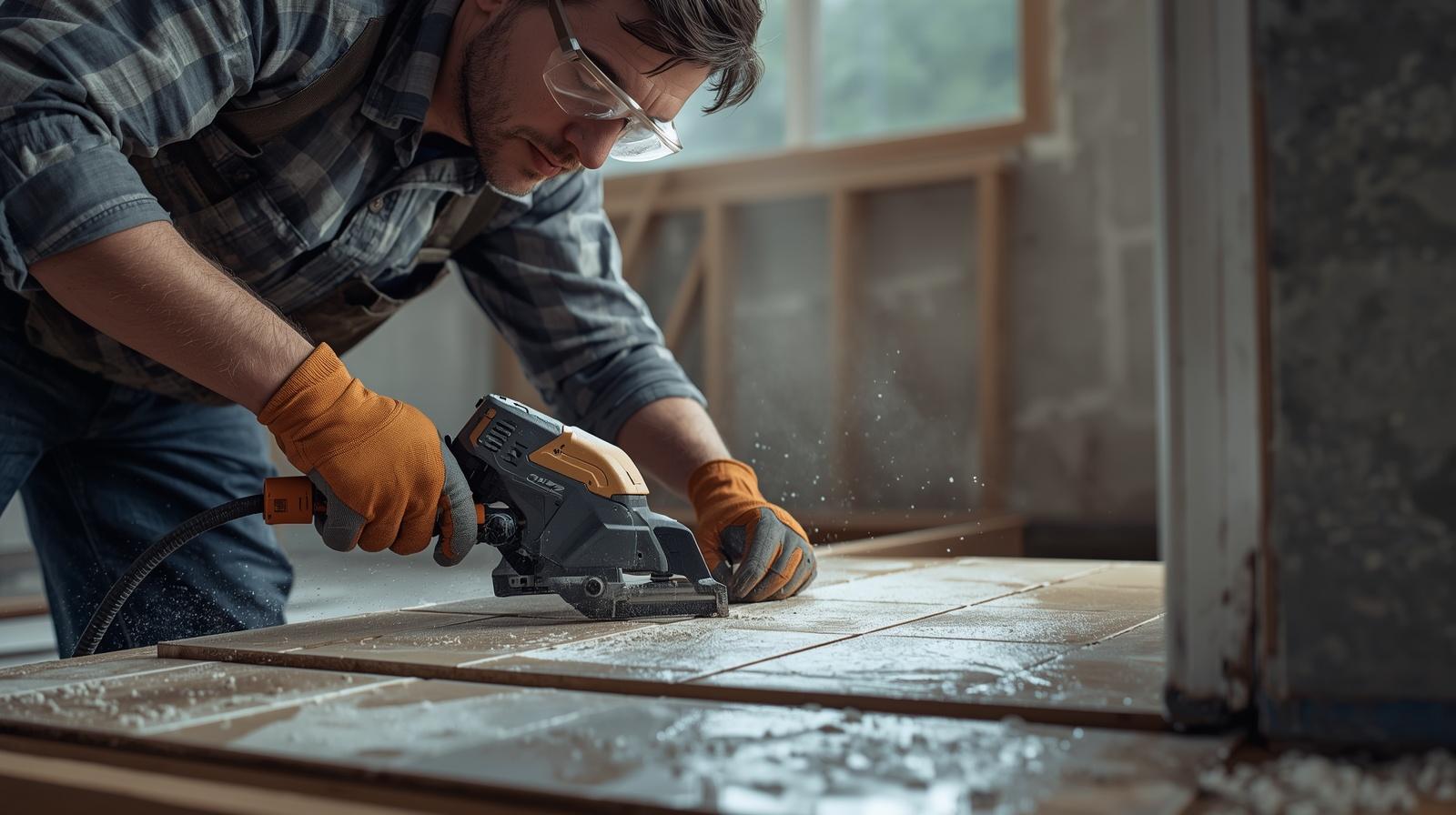
Ceramic tile is made from a coarser clay mixture and fired at lower temperatures, typically between 1,000 and 1,100 degrees Fahrenheit. The result is a lighter, softer tile that is easier to cut and install but more porous than porcelain.
Porcelain tile is made from a finer, more refined clay and fired at higher temperatures, usually 1,200 to 1,400 degrees Fahrenheit. This produces a denser, harder tile with lower water absorption. In fact, the standard that separates the two is water absorption rate: porcelain absorbs 0.5 percent or less of its weight in water, while ceramic absorbs more.
That density difference drives most of the practical differences between the two materials.
How Do Porcelain and Ceramic Tile Compare in Durability?
Porcelain is the more durable tile. Its higher density makes it harder, more scratch-resistant, and more resistant to chipping. Porcelain tile can last 25 to 50 years in a bathroom setting, while ceramic tile typically lasts 10 to 20 years depending on traffic and maintenance.
For high-traffic primary bathrooms that are used daily by multiple family members, porcelain’s durability advantage is meaningful. For a lightly used guest bathroom or powder room, ceramic’s lifespan may be perfectly adequate.
Which Tile Offers Better Water Resistance?
This is where the difference matters most in a bathroom. Porcelain’s low water absorption rate (0.5 percent or less) makes it significantly more resistant to moisture penetration than ceramic. In a room where water, steam, and humidity are constant, this matters.
Ceramic tile is still considered water-resistant and performs fine on bathroom walls and floors that are not in the direct splash zone. But for shower floors, shower walls, and areas with standing water or heavy steam exposure, porcelain is the safer long-term choice.
How Do the Costs Compare?
Ceramic tile is less expensive across the board.
| Material Cost (per sq ft) | Installed Cost (per sq ft) | |
|---|---|---|
| Ceramic | $10 | $25 |
| Porcelain | $15 | $35 |
For a typical 50- to 75-square-foot bathroom floor, the difference in material cost is roughly $375. When you factor in installation labor (porcelain is harder to cut and takes longer to install), the total project cost difference typically runs $750 for a bathroom floor.
That gap is worth considering, but it is not enormous in the context of a full bathroom remodel. And given porcelain’s longer lifespan, the cost per year of use often favors porcelain.
What Are the Best Use Cases by Location?
Shower Floors
Winner: Porcelain. Shower floors are constantly wet, and proper water resistance is critical. Porcelain’s low absorption rate and superior density make it the better choice for shower floor tile. It holds up better against standing water and reduces the risk of moisture penetrating to the substrate over time.
Shower Walls
Winner: Porcelain, but ceramic works. Shower walls get wet but do not have standing water. Porcelain is the safer pick, particularly for steam showers or primary showers used daily. Ceramic performs fine for guest showers or secondary bathrooms with lighter use.
Bathroom Floors
Winner: Either, depending on budget and use. For primary bathroom floors, porcelain’s durability and moisture resistance make it the better investment. For a guest bathroom or powder room floor, ceramic offers a good balance of performance and value.
Bathroom Walls (Outside the Shower)
Winner: Ceramic. Walls outside the shower or tub area do not face standing water or heavy moisture exposure. Ceramic tile works perfectly here and costs less. This is a good place to save on your material budget.
How Do Maintenance Requirements Differ?
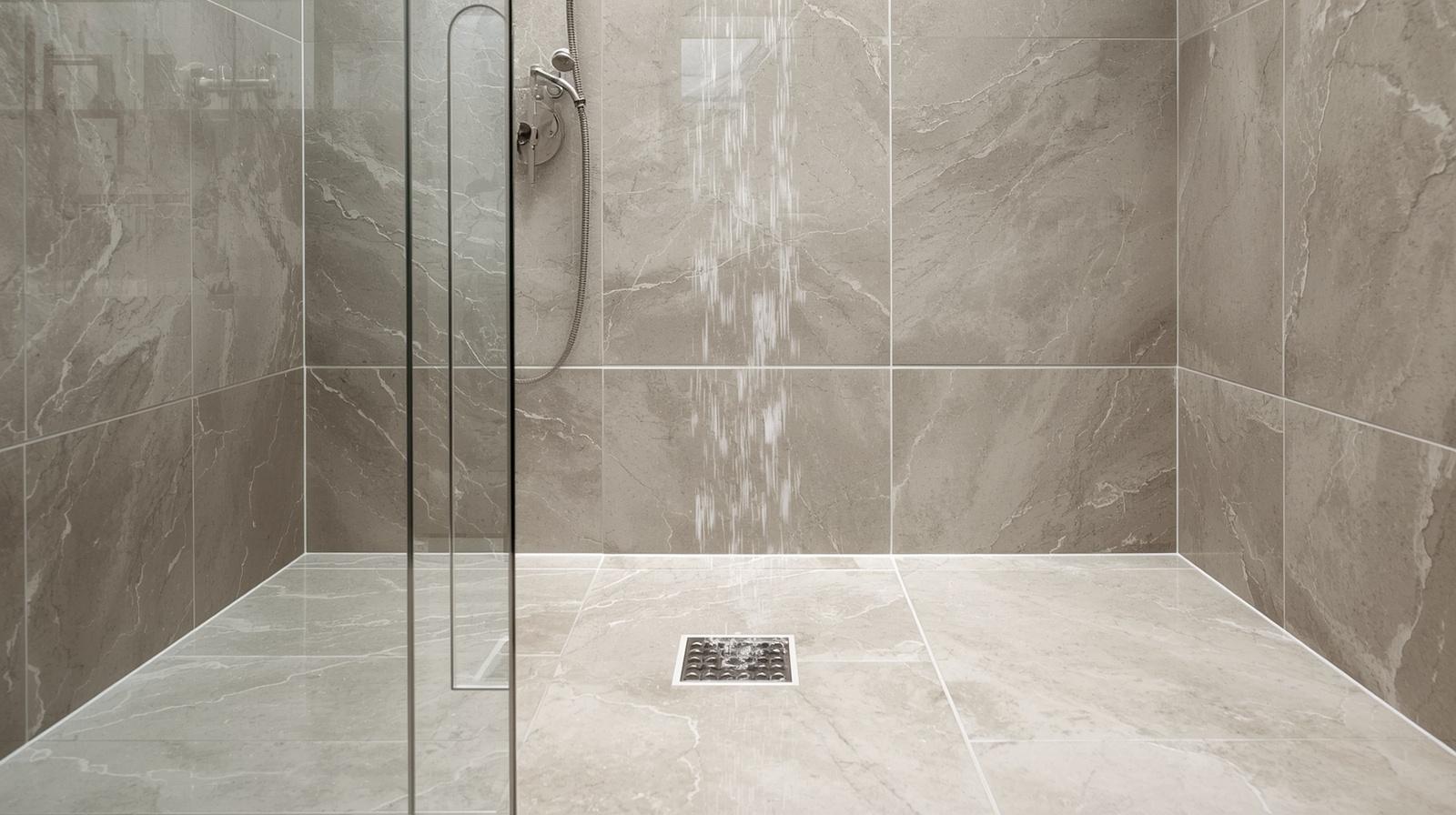
Both tiles are relatively low-maintenance, but there are differences.
Porcelain resists stains better due to its lower porosity. It generally does not require sealing (though some unglazed porcelain may benefit from it). Cleaning is simple: regular sweeping and mopping with a mild cleaner is all that is needed.
Ceramic is slightly more porous and may absorb stains more readily, especially if the glaze is worn or chipped. It also does not require sealing when glazed, but the grout lines between any tile will need periodic sealing regardless of the tile type.
Grout maintenance is the same for both. Regardless of whether you choose porcelain or ceramic, the grout lines require regular cleaning and periodic resealing to prevent moisture penetration and mildew. The tile itself is only as waterproof as its weakest point, and that point is usually the grout.
What Appearance and Design Options Are Available?
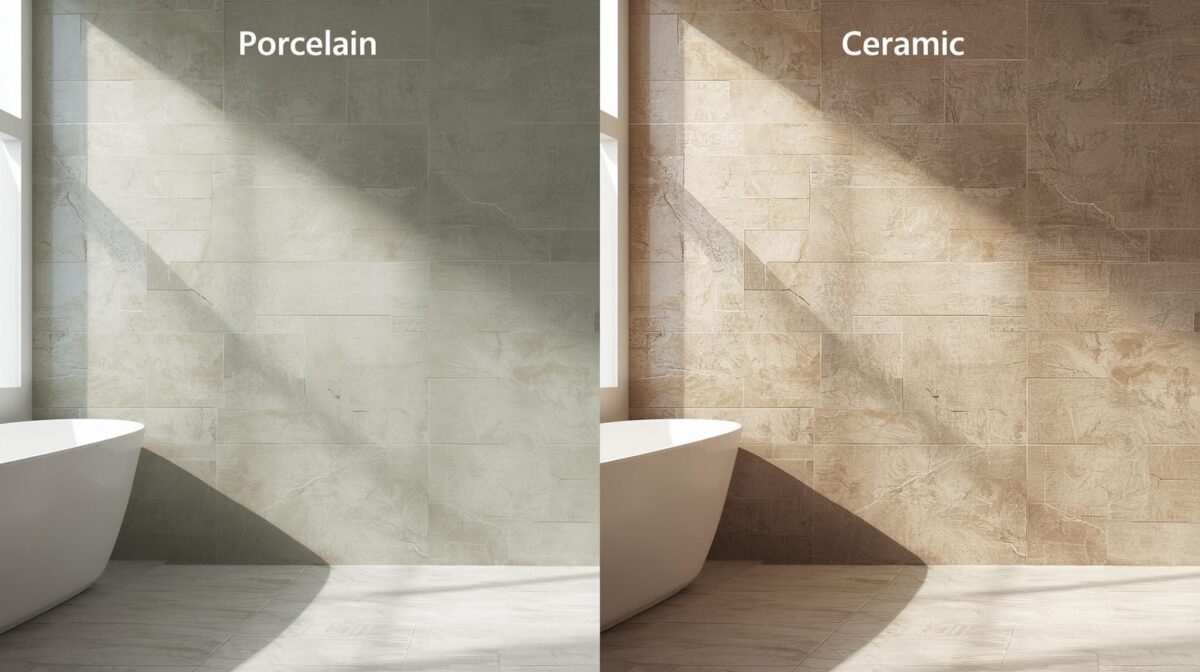
Both porcelain and ceramic tiles are available in virtually every color, pattern, size, and finish you can imagine. Both can mimic the look of natural stone, wood, concrete, or fabric. In terms of design flexibility, they are essentially equal.
The one visual difference worth noting is that many porcelain tiles are “through-body,” meaning the color and pattern extend all the way through the tile. If a through-body porcelain tile chips, the chip is less visible because the interior matches the surface. Ceramic tiles typically have a colored glaze on the surface only, so a chip reveals the different-colored clay body beneath.
Which Should You Choose?
Here is a simple decision framework:
Choose porcelain if:
- You are tiling a shower floor or shower walls
- The bathroom is a high-use primary bathroom
- You want maximum durability and longevity
- You are investing in a full remodel and want the best long-term value
Choose ceramic if:
- You are on a tighter budget
- The bathroom is a guest bath, powder room, or secondary space
- You are tiling walls outside the shower area
- The space sees lighter daily use
Many homeowners use a combination: porcelain for the shower and bathroom floor, ceramic for accent walls or areas outside the wet zone. This balances performance with budget.
How Can We Help You Choose the Right Tile?
Tile selection is one of the most impactful decisions in a bathroom remodel. The right tile affects the look, feel, durability, and maintenance of your bathroom for years to come. At Cove Bath, we help you navigate these choices during the design phase of every project.
Visit our tile installation page to learn more about our process, or browse examples of completed tile work on our project gallery. Our fixed-price packages include tile selection and installation so there are no surprises.
Ready to get started? Take our online quiz for an instant estimate, or schedule a free consultation to discuss your project.