The vanity is the centerpiece of most bathrooms, and selecting the right one means balancing size, style, storage, and material quality against your bathroom’s dimensions and your household’s daily needs—with countertop costs ranging from $100 to $150 per square foot installed depending on the material you choose.
This guide covers everything you need to know to choose a bathroom vanity that fits your space, matches your design goals, and holds up to years of daily use.
Frequently Asked Questions
What is the most popular bathroom vanity size?
The 36-inch vanity is the most popular size for standard full bathrooms, offering enough counter space for toiletries and daily essentials without feeling cramped. For primary bathrooms with two users, the 60-inch double-sink vanity is the most common size installed.
What is the best countertop material for a bathroom vanity?
Quartz is widely considered the best all-around option—it is non-porous, requires zero maintenance, resists stains, and holds up well in humid bathroom environments. It costs approximately $120 per square foot installed.
What is the difference between a freestanding and a floating vanity?
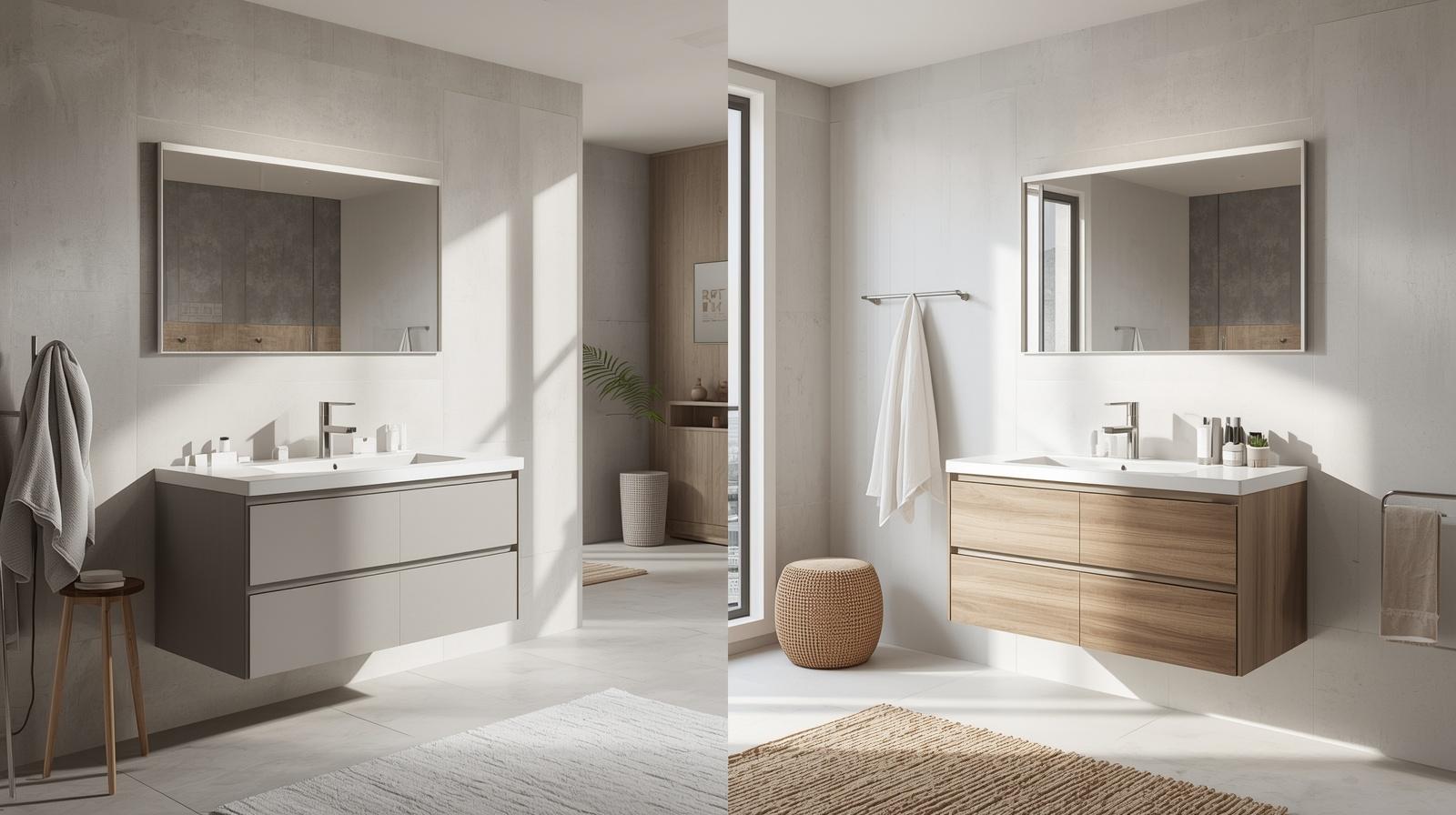
Freestanding vanities sit on the floor and suit traditional or transitional designs with maximum storage. Floating (wall-mounted) vanities are mounted to the wall with no legs, creating a modern look and making the bathroom feel more spacious by exposing floor area beneath the unit.
How much clearance do I need around a bathroom vanity?
Leave at least 18 inches of clear space between the edge of the vanity and the toilet, and at least 30 inches of open floor space in front of the vanity for comfortable use.
When should I consider a custom vanity?
A custom vanity is the right choice for unusual bathroom layouts, homeowners with specific design requirements, or high-end primary bathroom remodels where off-the-shelf options cannot solve the problem—such as fitting an odd-shaped space or matching existing cabinetry in the home.
What Are the Standard Bathroom Vanity Sizes?
Bathroom vanities come in standard widths that correspond to common bathroom layouts. Understanding these sizes helps you narrow your options quickly.
24-Inch Vanity
Best for powder rooms, half baths, and very small guest bathrooms. A 24-inch vanity provides a single sink with minimal countertop space. Storage is limited to a small cabinet beneath the sink, sometimes with a single drawer. This is the right choice when space is tight and the bathroom serves guests rather than daily household use.
30-Inch Vanity
A step up from the minimum, 30-inch vanities offer a bit more counter space on either side of the sink. They work well in small full bathrooms and secondary bathrooms in older Boston-area homes where the original footprint is compact. You will typically find one or two drawers alongside the sink cabinet.
36-Inch Vanity
The most popular size for standard full bathrooms. A 36-inch vanity gives you enough counter space for toiletries, a soap dispenser, and a few daily essentials without feeling cramped. This is the sweet spot for many hall bathrooms and guest bathrooms in communities like Wellesley, Needham, and Natick.
48-Inch Vanity
A 48-inch vanity can accommodate either a single sink with generous counter space or, in some configurations, a narrow double sink setup. This size works well in primary bathrooms where one person uses the space but wants room to spread out.
60-Inch Vanity
The standard for double-sink vanities in primary bathrooms. A 60-inch vanity gives each person their own sink and a reasonable amount of counter space in between. This is the most common size we install in primary bathroom remodels across the Greater Boston area.
72-Inch Vanity
The largest standard size, a 72-inch vanity provides the most counter space and storage. It suits large primary bathrooms and gives each user their own sink with ample room for toiletries, lighting, and mirrors. If your bathroom can accommodate this size with proper clearance, it delivers the most comfortable daily experience.
How to Choose the Right Size for Your Bathroom?
Selecting the right vanity width is not just about what fits physically. You also need to account for clearance and traffic flow.
Measure your available wall space. Measure the wall where the vanity will go, noting the location of doors, windows, toilet, and shower or tub. The vanity should not block a door swing or crowd the toilet.
Allow for clearance. Leave at least 18 inches of clear space between the edge of the vanity and the toilet, and at least 30 inches of open floor space in front of the vanity for comfortable use.
Consider the door swing. In smaller Boston-area bathrooms, the bathroom door often swings inward. Make sure the vanity does not interfere with the door path.
Think about depth. Standard vanity depth is 20 to 22 inches. For narrow bathrooms, look for shallow-depth vanities at 16 to 18 inches. You lose some storage, but you gain valuable floor space.
What Are the Different Vanity Types: Freestanding, Floating, and Custom?
Freestanding Vanities
Freestanding vanities sit on the floor and are the most traditional option. They are available in the widest range of styles and price points, from simple Shaker cabinets to ornate furniture-style pieces. Installation is straightforward, and they hide plumbing lines behind the cabinet box.
Best for: Traditional and transitional bathroom designs, homeowners who want maximum storage, and situations where plumbing rough-in is standard.
Floating (Wall-Mounted) Vanities
Floating vanities are mounted to the wall with no legs touching the floor. They create a clean, modern look and make the bathroom feel more spacious by exposing floor area beneath the unit. They also make floor cleaning easier.
Best for: Contemporary and modern bathroom designs, smaller bathrooms where visual openness matters, and homeowners who prefer a minimalist look. Note that floating vanities require secure mounting into wall studs and may need plumbing adjustments to conceal pipes within the wall.
Custom Vanities
A custom vanity is built to your exact specifications, including non-standard widths, specific wood species, unique configurations, or unusual layouts. Custom work costs more and takes longer, but it solves problems that off-the-shelf options cannot, such as fitting an odd-shaped space or matching existing cabinetry in the home.
Best for: Unusual bathroom layouts, homeowners with specific design requirements, and high-end primary bathroom remodels.
What Are the Best Countertop Materials for Bathroom Vanities?
The countertop is the most visible and most-touched surface on your vanity. Here is how the most popular materials compare.
Quartz
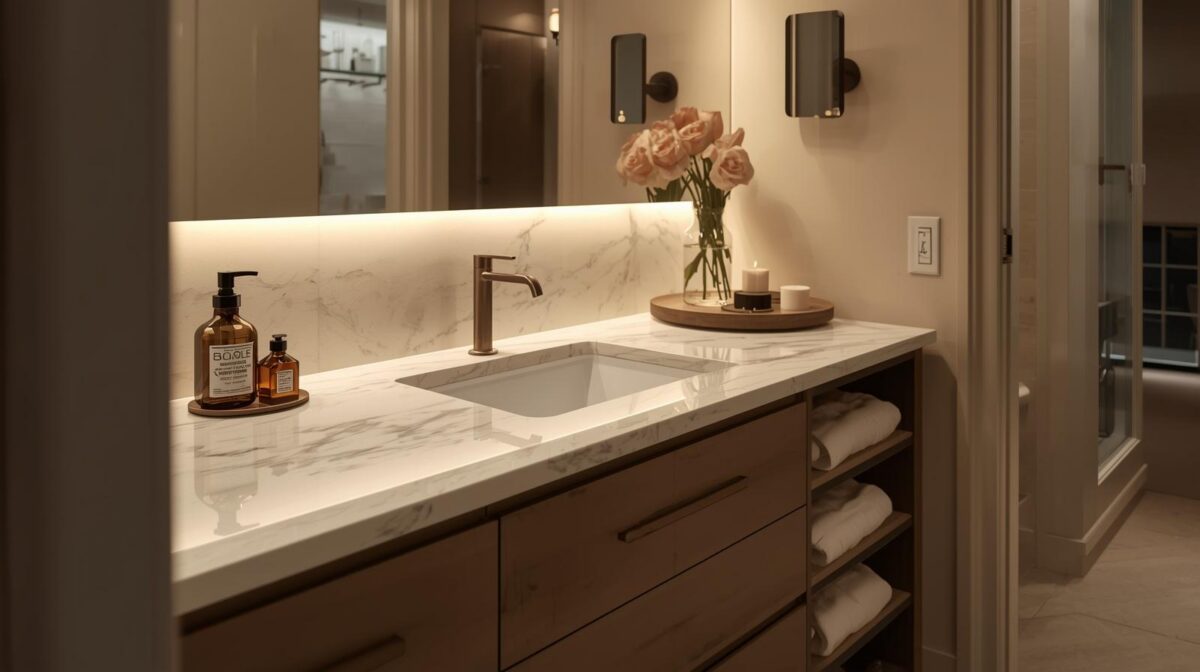
Quartz is an engineered stone made from natural quartz crystals bound with resin. It is non-porous, meaning it does not need sealing, resists stains, and holds up exceptionally well in humid bathroom environments. It is available in a wide range of colors and patterns, including options that closely mimic marble.
Cost: $120 per square foot installed Pros: Zero maintenance, stain-resistant, consistent color and pattern, wide selection Cons: Higher upfront cost than some alternatives, cannot withstand extreme heat (not a concern in bathrooms)
Granite
Granite is a natural stone with unique veining and color variations in every slab. It is extremely hard and durable. However, it is porous and requires periodic sealing, typically once a year, to prevent staining and moisture absorption.
Cost: $100 per square foot installed Pros: Natural beauty, unique patterns, very durable, good resale appeal Cons: Requires annual sealing, can stain if unsealed, limited color consistency between slabs
Marble
Marble delivers a classic, elegant look that is particularly popular in traditional and transitional bathroom designs. It is softer and more porous than granite, which means it is more susceptible to etching, staining, and moisture damage. Marble vanity tops require regular sealing and careful maintenance.
Cost: $150 per square foot installed Pros: Timeless aesthetic, high-end appearance, excellent resale appeal Cons: High maintenance, etches easily from acidic products, requires frequent sealing
Solid Surface (Corian and Similar)
Solid surface countertops are made from acrylic and polyester resins. They are non-porous, available in many colors, and can be fabricated with integrated sinks for a seamless look. They are warm to the touch and easy to repair if scratched.
Cost: $100 per square foot installed Pros: Non-porous, seamless sink integration, repairable, warm to the touch Cons: Less heat-resistant than stone, can scratch more easily, may not have the visual depth of natural stone
What Storage Considerations Matter for Smaller Bathrooms?
Many homes across the Greater Boston area, particularly in Brookline, Cambridge, Arlington, and Watertown, have bathrooms that were designed decades ago when storage expectations were different. If you are working with a compact bathroom, these strategies help maximize what your vanity can hold.
Choose drawers over doors. A vanity with full-width drawers provides more organized, accessible storage than a single cabinet door with open shelving behind it. Drawers let you separate and access items without digging.
Add interior organizers. Drawer dividers, pull-out trays, and tiered shelf inserts can double the usable storage within the same cabinet footprint.
Consider a tall linen tower. If floor space allows, a narrow linen tower next to the vanity adds significant storage without expanding the vanity footprint.
Use the mirror for storage. A recessed medicine cabinet behind the mirror provides storage for medications, toiletries, and small items without taking up any counter or floor space.
Go vertical. Open shelving above the toilet or beside the vanity uses wall space that is otherwise wasted.
How Should You Match Your Vanity to Your Remodel?
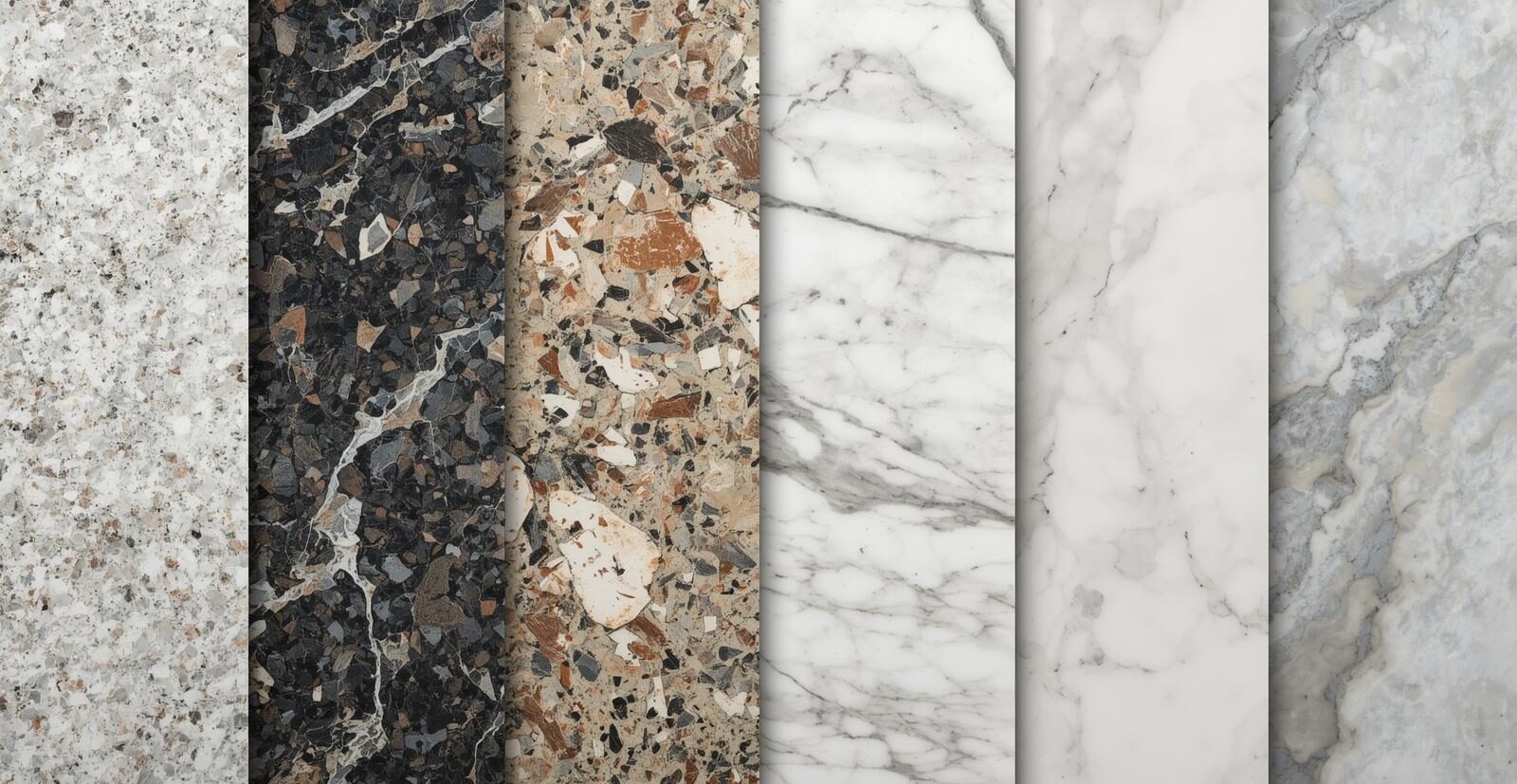
Your vanity selection should work with the rest of your bathroom design, including your tile choices, shower configuration, and lighting plan. A floating vanity with a quartz top pairs naturally with a modern frameless shower, while a freestanding Shaker-style vanity with marble complements a more traditional space.
At Cove Bath, vanity selection is part of our design process. Our team helps you choose the right size, style, and material for your bathroom during the design phase, well before construction begins. You can see examples of our vanity installations on our completed projects page.
Learn more about our vanity installation service or visit our pricing page to see what is included in each of our fixed-price remodeling packages.
How Do You Find the Right Vanity for Your Bathroom?
Choosing the right bathroom vanity comes down to measuring carefully, understanding your household’s needs, and selecting materials that hold up in a humid environment. Whether you are upgrading a small guest bath or designing a spacious primary bathroom, the vanity sets the foundation for the room.
Ready to start planning? Take our quick online quiz to get an instant estimate for your bathroom remodel, or book a free virtual consultation to discuss vanity options with our design team. We serve homeowners in Wellesley, Newton, Brookline, and 50-plus communities across Greater Boston.