What Does a Bathroom Remodel Include?
If you have never remodeled a bathroom before, the process can feel like a black box. A contractor gives you a number, and you are expected to sign a contract without fully understanding what that number covers. What work is actually being done? What materials are included? What is an extra charge?
This guide breaks down every component of a bathroom remodel so you know exactly what to expect — and exactly what to ask about when comparing quotes.
The Phases of a Bathroom Remodel
A full bathroom remodel typically involves seven to ten distinct phases of work, each handled by different tradespeople. Here is what happens in each one.
1. Demolition
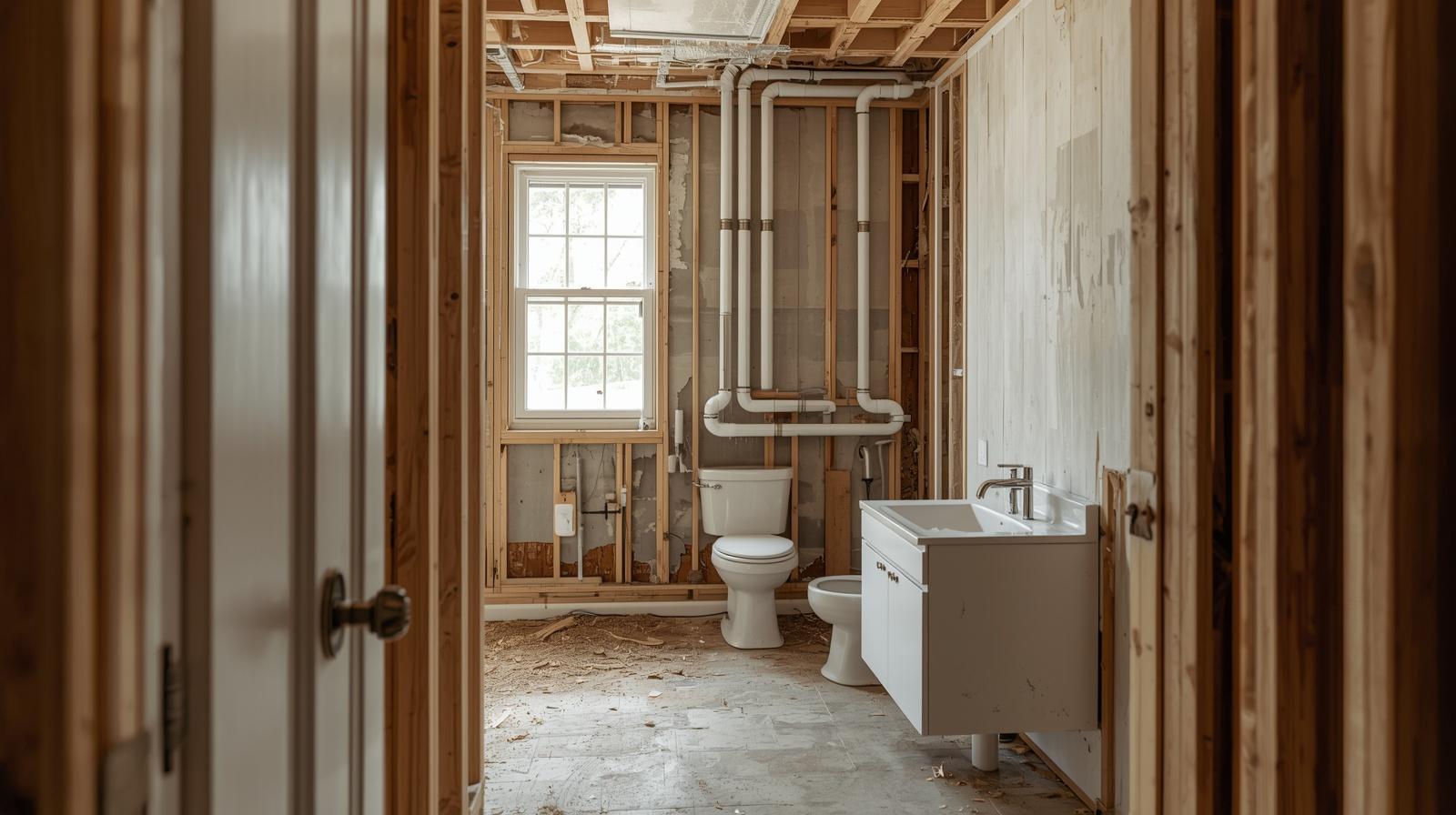
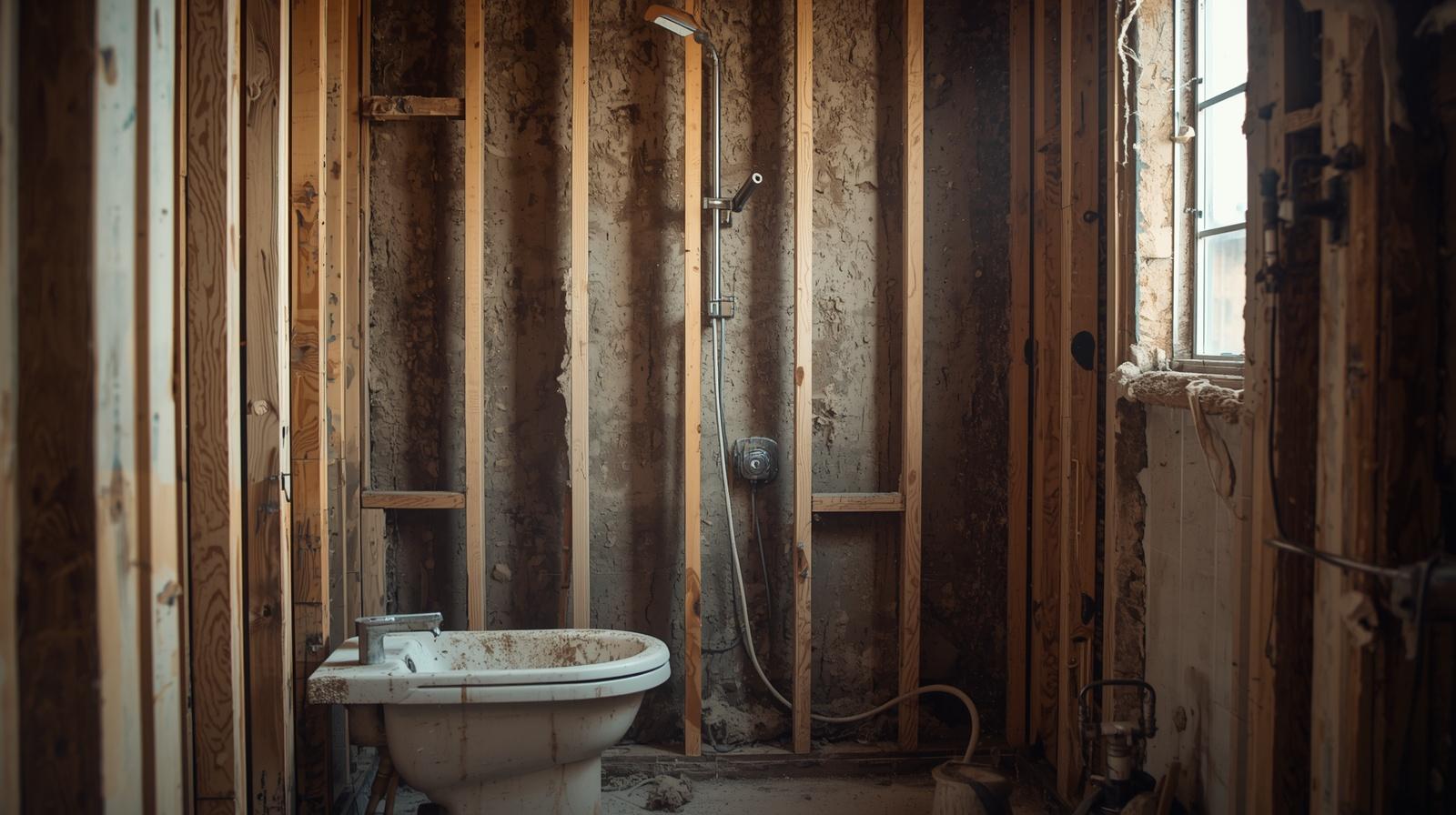
Everything old comes out: the existing tile, vanity, toilet, tub or shower, fixtures, lighting, and sometimes the drywall or plaster behind the tile. In a full gut remodel, the bathroom is stripped down to the studs and subfloor.
Demolition also includes hauling out the debris. A standard bathroom generates enough demo material to fill a small dumpster (10-yard container). The dumpster rental and disposal are typically included in a contractor’s price, but ask to be sure.
What to watch for: A contractor who proposes to install new tile over old tile or new drywall over old drywall is cutting corners. This approach can hide moisture damage, create thickness issues at transitions, and compromise the new installation’s longevity.
2. Rough plumbing
After demolition, the plumber modifies or replaces the supply lines (hot and cold water) and drain lines to accommodate the new layout. If you are keeping fixtures in the same locations, this phase is straightforward. If you are converting a tub to a walk-in shower or relocating the vanity, the plumbing work is more involved.
In older Greater Boston homes, this phase often reveals galvanized steel pipes that need to be replaced or drain lines that do not meet current code. This is one of the most common sources of change orders with time-and-materials contractors.
3. Electrical
The electrician runs new circuits as needed, installs recessed lighting boxes, positions the vent fan, and ensures the bathroom meets Massachusetts electrical code. Requirements include:
- GFCI-protected outlets near the sink
- A dedicated circuit for the bathroom
- Arc-fault protection (required in many renovation scenarios)
- A vent fan with adequate CFM rating for the room size
4. Waterproofing
This is arguably the most critical step in the entire remodel. Before any tile goes up, the shower walls and floor must be properly waterproofed. Common systems include Schluter DITRA/KERDI membrane, Wedi foam board, or liquid-applied membrane like RedGard.
Waterproofing prevents moisture from reaching the wall framing and subfloor, which would cause mold, rot, and structural damage over time. A properly waterproofed shower will last decades. A poorly waterproofed one will fail within a few years.
5. Subfloor preparation
If the existing subfloor is damaged (common when an old shower or tub has been leaking), it needs to be repaired or replaced. The subfloor must be level and solid before new flooring can be installed. For heated floor systems, the heating elements are installed during this phase.
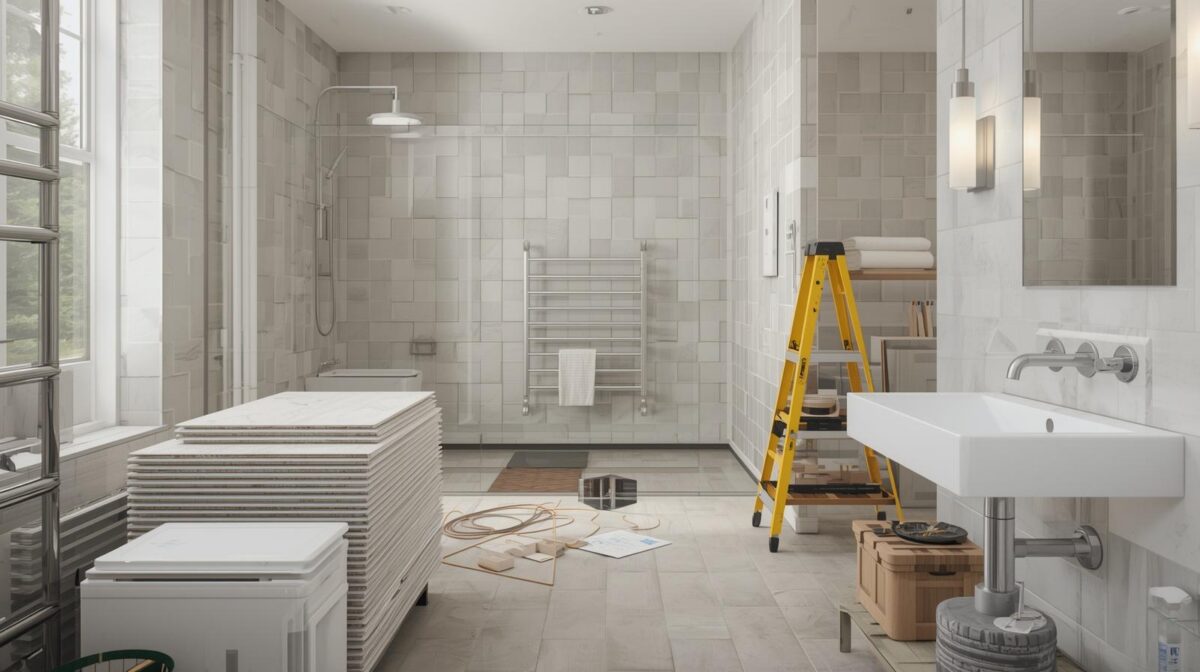
6. Tile installation
Tile is the most time-intensive phase of a bathroom remodel. It includes:
- Setting floor tile
- Setting wall tile in the shower area (often floor-to-ceiling)
- Installing accent tile or mosaics
- Grouting all tile
- Sealing grout lines
The tile setter needs one to two days just for the shower walls, plus additional time for the floor and any accent work. Grout needs to cure before the shower can be used.
7. Vanity and countertop installation
The vanity is installed, leveled, and secured to the wall. The countertop is set, the sink is mounted (undermount, vessel, or drop-in), and the faucet and drain connections are made. In bathrooms with double vanities, this phase involves additional plumbing connections.
8. Fixture installation
This covers everything that gets mounted or connected:
- Toilet
- Shower valve trim and showerhead
- Towel bars, robe hooks, and toilet paper holder
- Medicine cabinet or mirror
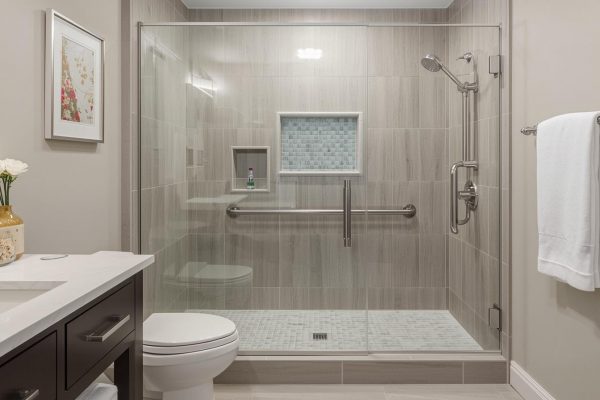
- Shower glass (frameless panel or enclosure)
- Grab bars (if applicable)
- Shower niche shelving
9. Lighting and ventilation
Light fixtures are installed and connected: vanity lights, recessed ceiling lights, and any accent lighting. The vent fan is installed and ducted to the exterior. A timer or humidity-sensing switch is wired for the fan.
10. Finishing and punch list
The final phase includes caulking all joints (where tile meets tub or shower pan, where the vanity meets the wall), painting any non-tiled walls, installing trim and transition strips, and a thorough cleaning of the bathroom. The contractor does a walkthrough with you to identify any items that need adjustment.
What Is Included vs. What Costs Extra
Here is a general breakdown of what a comprehensive remodel should include:
| Typically Included | Often an Extra Cost |
|---|---|
| Demolition and debris removal | Structural changes (moving walls) |
| All plumbing and electrical work | Relocating the toilet to a new position |
| Waterproofing | Custom cabinetry (beyond standard vanity) |
| Tile (floor and shower walls) | Luxury materials (natural stone, designer tile) |
| Standard vanity and countertop | Heated floors |
| Toilet | Smart features (smart mirror, digital shower valve) |
| Shower glass (fixed panel or enclosure) | Additional bathroom beyond the project scope |
| Fixtures (faucet, showerhead, accessories) | |
| Lighting and vent fan | |
| Permits and inspections | |
| Final cleanup |
The key question to ask any contractor: What is NOT included in your price? The answer tells you where the change orders live.
What You Get at Each Price Point
At Cove Bath, our three fixed-price tiers provide a clear picture of what is included at each level:
$25,000 Tier
A complete bathroom refresh with quality mid-range materials. Includes full demolition, new plumbing and electrical as needed, waterproofing, ceramic or porcelain tile in the shower and on the floor, a new vanity with countertop, new toilet, updated fixtures, lighting, vent fan, and shower glass. This tier is ideal for hall bathrooms, guest bathrooms, and straightforward primary bath updates.
$30,000 Tier
Everything in the $25,000 tier plus upgraded finishes: larger-format or premium tile, a higher-end vanity, upgraded fixtures, and additional features like a recessed niche, accent tile, or improved lighting design. This tier suits primary bathrooms where you want a more polished result.
$40,000 Tier
The full premium package: high-end tile and finishes, layout modifications (such as a walk-in shower conversion with a curbless entry), luxury fixtures, heated floors, frameless glass enclosure, and custom design details. This tier is for homeowners who want the best and are willing to invest in a bathroom that feels exceptional.
All three tiers include permits, inspections, project management, and a final walkthrough. The price is set before work begins and does not change.
How Long Does It Take?
A full bathroom remodel with Cove Bath is completed in one to two weeks of active construction. The design phase (material selection, virtual consultation, ordering) happens before construction starts, so there is no downtime during the build.
Traditional bathroom remodels with other contractors typically take six to eight weeks because design decisions, material ordering, and subcontractor scheduling happen during construction rather than before it.
Get a Clear Picture of Your Project
If you are considering a bathroom remodel and want to understand exactly what is involved and what it will cost, take our 2-minute quiz for an instant estimate. Or schedule a virtual consultation to walk through your bathroom with us and get a detailed scope of work.
Cove Bath is a bathroom remodeling company based in Wellesley, MA, serving homeowners across Greater Boston. We offer fixed-price bathroom renovations with virtual consultations and one-to-two-week project timelines.