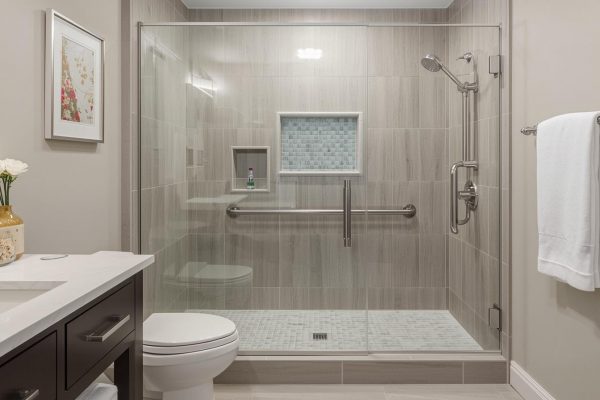
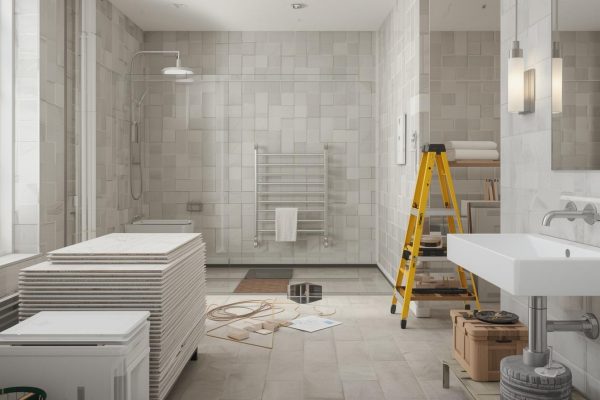
The walk in shower conversion cost is one of the first things Greater Boston homeowners ask about when they tire of climbing over a tub. It’s a smart question. A clear budget helps you plan, compare quotes, and avoid surprises. In this guide, we break down realistic price ranges, what drives them up or down, and how to get the most value from your project.
We won’t quote you an exact number here. Every home is different, and honest pricing depends on your space. But you’ll leave with a solid sense of what to expect.
Frequently Asked Questions
How long does a walk in shower conversion take?
Most projects take one to two weeks, depending on scope. Custom tile and layout changes add time. We set a clear timeline before we start so you can plan.
Do I need a permit in my town?
Often, yes. Many Greater Boston towns require plumbing and sometimes building permits. We handle the paperwork and inspections for you.
Can I keep my existing plumbing location?
Usually, yes, and it saves money. If your tub drain and valve work for the new layout, we reuse them. Moving them raises the cost.
Will a walk in shower add value to my home?
Updated bathrooms tend to appeal to buyers in our area. We can’t promise an exact return, but a clean, modern shower is a strong feature.
Is a curbless shower more expensive?
It can be, since it requires careful floor work and waterproofing. The accessibility benefit is often worth it. We’ll explain your options clearly.
What Factors Affect Walk In Shower Conversion Cost?
No two bathrooms are alike. The walk in shower conversion cost depends on several factors that add up quickly. Here are the biggest ones.
- Size and layout. A larger shower footprint needs more tile, waterproofing, and labor.
- Plumbing changes. Moving drains or valves costs more than reusing existing locations.
- Materials. Acrylic surrounds cost less than custom tile. Glass and fixtures vary widely too.
- Demolition. Removing an old tub, especially heavy cast iron, takes time and effort.
- Hidden surprises. Older Boston-area homes sometimes hide water damage, dated wiring, or rot.
Each choice shifts your total. A simple swap stays modest. A full custom build climbs higher.
Materials Make a Big Difference
Your finish choices have a huge effect on price. Prefabricated acrylic or fiberglass units are the most budget-friendly. They install fast and clean easily.
Custom tile costs more but offers a high-end look. Frameless glass doors, niches, benches, and designer fixtures all add up. Picking mid-range options often gives the best blend of style and value.
What Are the Typical Price Ranges to Expect?
We can’t promise a fixed figure without seeing your space. Still, ranges help you plan. Across the Greater Boston area, walk in shower conversions tend to fall into a few tiers.
- Basic conversion: a prefab unit replacing a standard tub, reusing existing plumbing. This sits at the lower end.
- Mid-range conversion: tile walls, a glass panel, and updated fixtures. This is the most common choice.
- High-end conversion: custom tile, frameless glass, premium fixtures, and layout changes. This reaches the top of the range.
Labor in the Boston metro area tends to run higher than the national average. Skilled trades are in demand, and quality work commands fair rates. Treat any online “average” with caution and get a local quote instead.
Why Local Pricing Differs
Greater Boston has older housing stock than much of the country. Homes in Wellesley, Newton, Brookline, and surrounding towns often date back decades. That charm comes with quirks.
Older plumbing, plaster walls, and tight spaces can raise labor time. Permit requirements add steps too. These local realities shape your final walk in shower conversion cost.
What Do Permits and New England Considerations Mean for Your Project?
Many towns in the area require a plumbing permit for shower work. Some need a building permit if you alter walls or structure. Your contractor should handle this for you.
Permits protect you. They confirm the work meets code and keeps your home safe. Skipping them can cause headaches when you sell.
New England weather matters too. Cold winters stress plumbing in exterior walls. Proper waterproofing and insulation prevent mold and freeze damage. These details are worth the investment in our climate.
What Are the Best Ways to Control Your Budget?
You have real control over the final price. A few smart choices keep costs in check without cutting corners.
- Keep the plumbing in place. Reusing the existing drain and valve location saves money.
- Choose mid-range materials. They look great and last without the premium price.
- Limit layout changes. Moving walls or windows adds cost fast.
- Plan ahead. Clear decisions early prevent costly mid-project changes.
- Bundle the work. If other updates are due, doing them together can save on labor.
A good remodeler will help you weigh trade-offs. The goal is a shower you love at a price that fits.
Where Not to Cut Corners
Some savings backfire. Cheap waterproofing leads to leaks and mold. Bargain fixtures wear out fast.
Invest in the parts you can’t see: the pan, the membrane, the plumbing. These keep your shower dry for decades. Spend wisely on the visible finishes that make you smile each morning.
Is a Walk In Shower Worth It?
For most homeowners, yes. A walk in shower feels modern and open. It’s easier to clean and easier to step into.
It also supports aging in place. A curbless or low-threshold design helps you stay in your home longer. That’s a real benefit for many Greater Boston families.
Buyers like them too. While we won’t promise a specific return, updated bathrooms often appeal in our competitive market. A clean, functional shower is a strong selling point.
How Does Our Remodeling Process Work at Cove Bath?
We keep things simple and clear. Our streamlined approach means fixed pricing and quick timelines. You know your number before work begins.
We guide you through curated design selections, so you’re not lost in endless choices. That saves time and reduces stress. Learn more about our how it works process and what to expect.
From demolition to final walkthrough, we handle the details. Our team manages permits, plumbing, tile, and finishes. You get a beautiful result without the chaos. Explore our bathroom remodeling services to see what’s possible.
How Do You Get an Accurate Quote?
Online estimates only go so far. The most accurate walk in shower conversion cost comes from an in-home look at your space. A visit reveals plumbing, structure, and surprises that change the math.
Ask any contractor for a written, itemized quote. It should list materials, labor, and permits. Clear quotes make comparison easy and protect your budget.
Ready to Plan Your Project?
A walk in shower can transform your daily routine. With clear pricing and a smooth process, the path is easier than you think. The best way to learn your real walk in shower conversion cost is a personal consultation.
Let’s talk about your space, your style, and your budget. Contact Cove Bath today to request your free quote and start your bathroom transformation.
Cove Bath designs and builds bathrooms across Greater Boston. Explore our our Greater Boston bathroom remodeling team services, or request a free consultation.