Bathroom Remodeling for Triple-Deckers: Boston’s Unique Challenge
The triple-decker is one of Greater Boston’s most iconic building types, and remodeling a bathroom in one requires navigating stacked plumbing, tight spaces, and code upgrades specific to buildings that are 80 to 140 years old. Between 1880 and 1930, an estimated 15,000 of these three-story, wood-framed homes were built across Boston and its surrounding cities, from Dorchester and Somerville to Medford, Revere, and Brockton. They were designed as practical, affordable housing for working families, with one apartment stacked neatly on each of the three floors.
More than a century later, these buildings remain a vital part of the housing stock. But their bathrooms, designed for an era of different expectations, present a distinct set of challenges when it is time to remodel. If you own or live in a triple-decker and are planning a bathroom renovation, here is what you need to know.
Frequently Asked Questions
Do I need a permit for a triple-decker bathroom remodel in Massachusetts?
Yes. A triple-decker bathroom remodel in Massachusetts requires the same permits as any other residential bathroom project: building, plumbing, and electrical permits as applicable. The work must be performed by licensed tradespeople, and inspections are required at key stages. See our complete guide to bathroom remodel permits for details. If your triple-decker has been converted to condominiums, you may also need condo association approval.
Can I move plumbing fixtures to a new location in a triple-decker bathroom?
It is possible but significantly more complex than in a single-family home. The supply lines and drain pipes run vertically through all three floors in a shared system. Moving a fixture to a different location requires working within that shared vertical system, which affects the units above and below. A walk-in shower conversion that keeps the drain in its current location is far simpler and less expensive than one that requires relocating it.
What are the ventilation requirements for a triple-decker bathroom remodel?
Massachusetts building code requires bathrooms under 100 square feet to have a mechanical exhaust fan capable of at least 50 CFM, vented directly to the outdoors. In older triple-deckers, it is common to find bath fans vented into the attic, a wall cavity, or nowhere at all. Correcting this during a remodel is both a code requirement and a practical necessity for preventing moisture damage.
What should a landlord prioritize when remodeling a rental unit in a triple-decker?
Durability and ease of maintenance are the top priorities. Porcelain tile floors, solid-surface shower walls, and quality but mid-range fixtures will hold up to tenant turnover far better than budget materials that need replacing every few years. A well-executed bathroom remodel can also justify higher rents and reduce vacancy.
Do I need to notify tenants before starting a bathroom remodel?
Yes. Massachusetts landlord-tenant law requires reasonable notice before entering the unit, typically 24 hours. If the remodel will disrupt essential services like water, plan for temporary accommodations or coordinate water shutoffs for times that minimize impact. If the renovation requires the tenant to temporarily vacate, consult with a real estate attorney, as this must be handled in compliance with Massachusetts tenant protection laws.
What Makes Triple-Decker Bathrooms Unique?
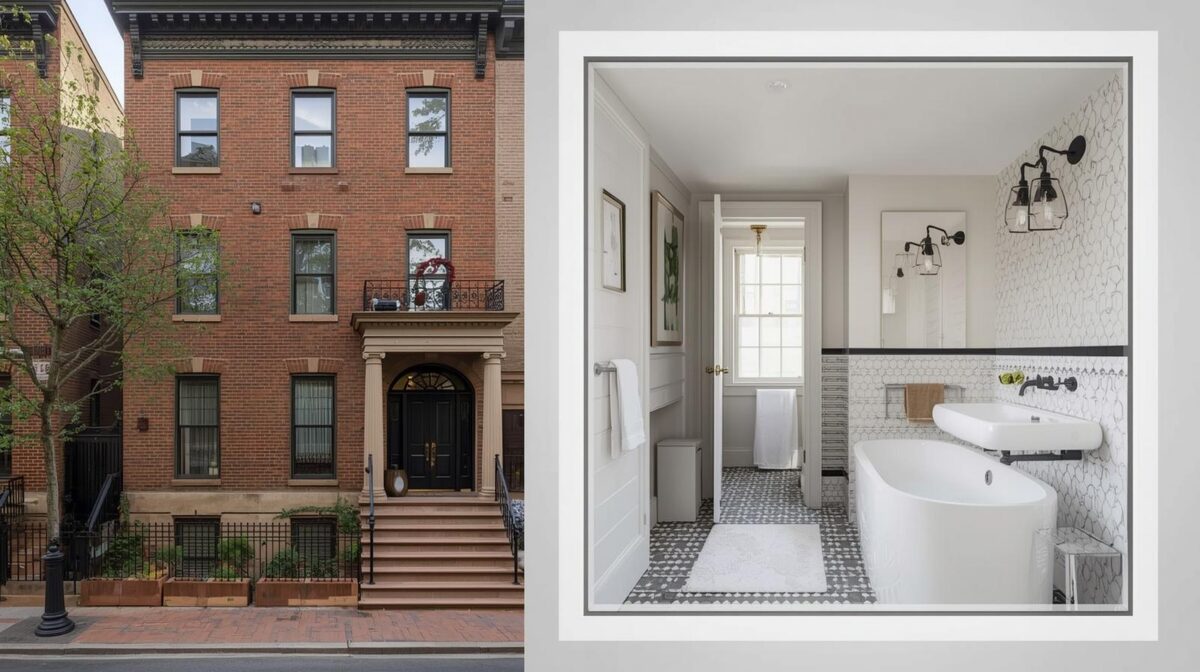
Triple-deckers were designed with efficiency in mind. The floor plans on each level are essentially identical, with kitchens and bathrooms stacked directly above one another. This was not an aesthetic choice. It was a practical one: stacking wet rooms keeps all the plumbing in a single vertical column, minimizing the amount of pipe needed and simplifying construction.
That design efficiency creates specific challenges when it is time to renovate.
Stacked Plumbing Systems
The supply lines and drain pipes in a triple-decker run vertically through all three floors. The main waste stack, often original cast-iron pipe that is 80 to 140 years old, serves all three bathrooms. This means that plumbing work in one unit can directly affect the units above and below.
Replacing a fixture is straightforward. Moving one to a different location within the bathroom is much more complex, because you are working within a shared vertical system. A walk-in shower conversion that keeps the drain in its current location is far simpler and less expensive than one that requires relocating it.
Old Cast-Iron Drain Pipes
Most triple-deckers built before 1930 have cast-iron waste pipes. While cast iron is durable, after a century of service these pipes often show significant corrosion, cracking, or buildup that restricts flow. A bathroom remodel is the right time to assess the condition of these pipes. If the section serving your unit is deteriorating, replacing it during the remodel is far more cost-effective than dealing with a failure later.
Small Footprints
Triple-decker bathrooms are compact. The typical layout includes a tub, toilet, and sink in a room that may measure just 5 by 7 feet. There is rarely room for a separate shower stall, linen closet, or double vanity. Every design decision needs to maximize the available space.
Ventilation Requirements
Massachusetts building code requires bathrooms under 100 square feet to have a mechanical exhaust fan capable of at least 50 CFM, vented directly to the outdoors. In older triple-deckers, it is common to find bath fans vented into the attic, a wall cavity, or nowhere at all. Correcting this during a remodel is both a code requirement and a practical necessity for preventing moisture damage.
What Design Strategies Work Best for Small Triple-Decker Bathrooms?
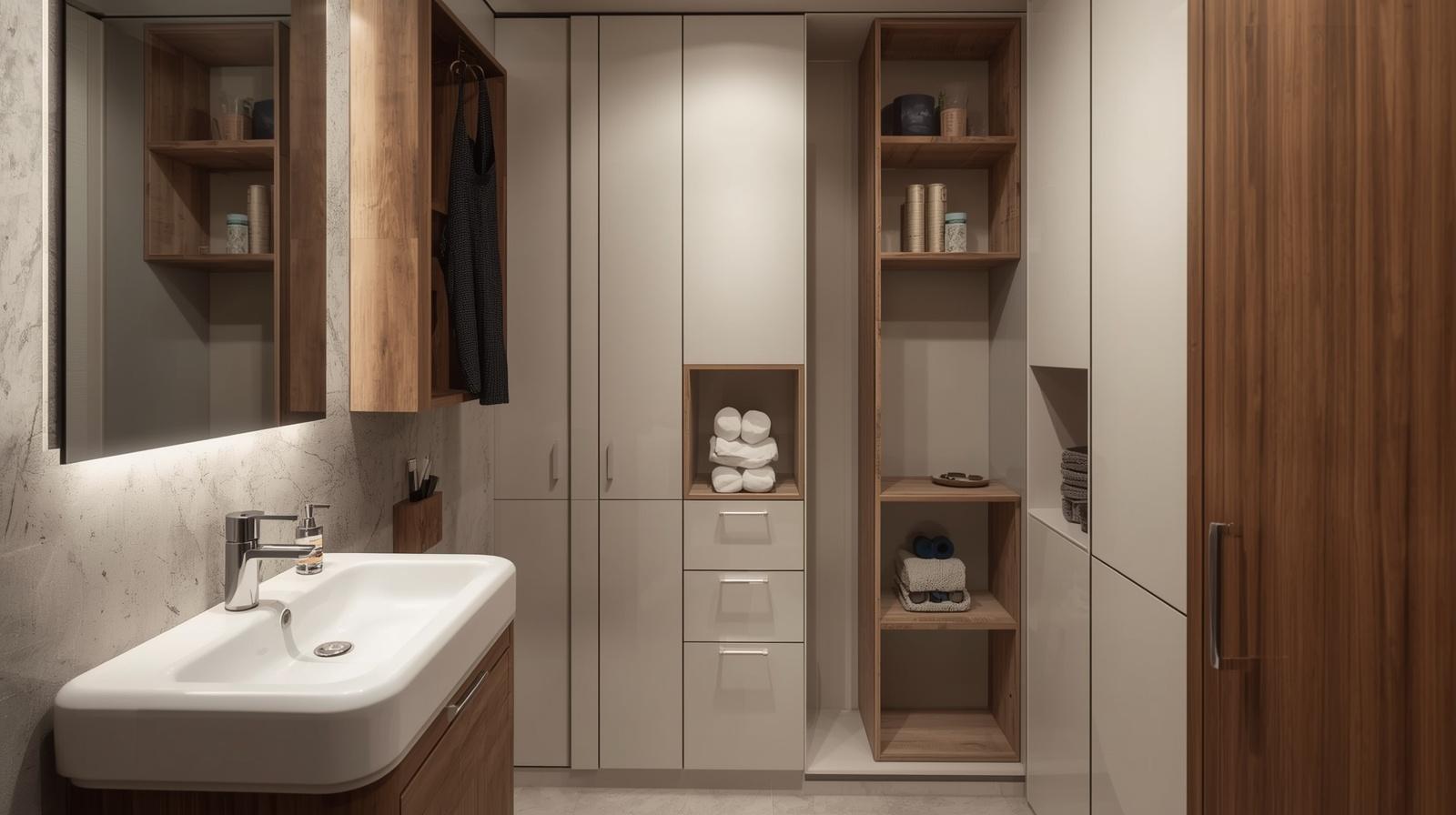
A small bathroom does not have to feel small. Here are the strategies that work best in triple-decker spaces.
Convert the Tub to a Walk-In Shower
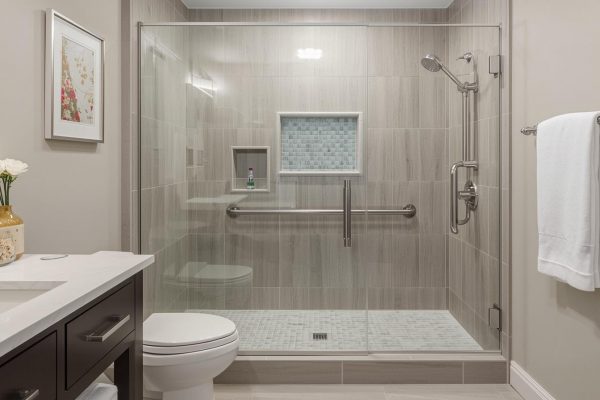
If you have a second bathroom or half bath in the unit, or if the tub simply never gets used, a shower installation in place of the tub can transform the room. A glass-enclosed walk-in shower makes the space feel open and modern, and it eliminates the awkward step-over that comes with a standard tub.
Choose the Right Vanity
In a tight triple-decker bathroom, a wall-mounted vanity or a slim-profile 24-inch or 30-inch model frees up floor space and visual breathing room. A well-chosen vanity with drawer storage is far more functional than the pedestal sinks commonly found in older triple-deckers.
Use Large-Format Tile
Fewer grout lines mean fewer visual interruptions, which makes a small room feel larger. A 12-by-24-inch porcelain tile installation on both the floor and shower walls creates a clean, cohesive look.
Maximize Vertical Storage
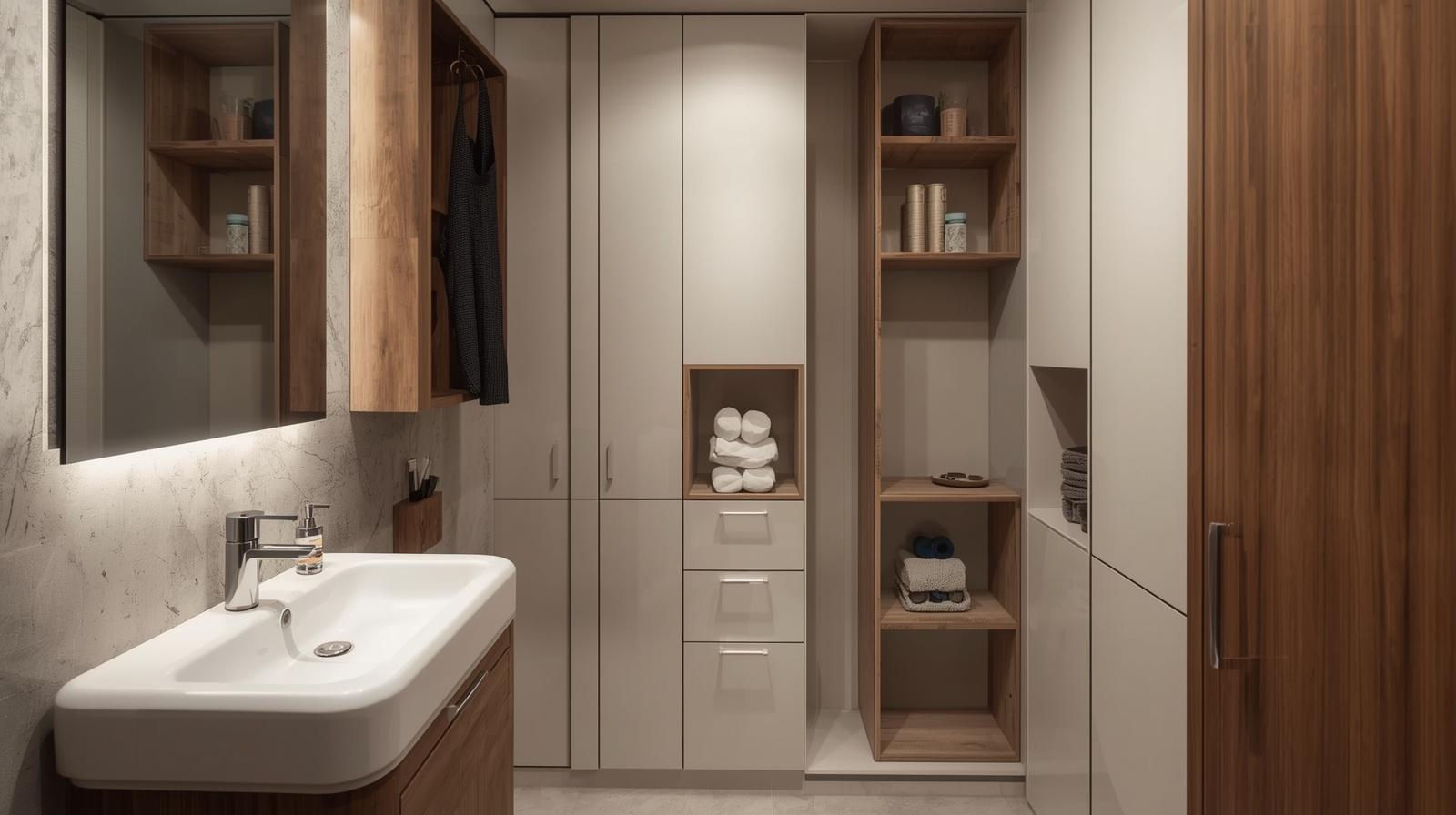
When floor space is limited, go up. Recessed medicine cabinets, open shelving above the toilet, and niches built into shower walls all add storage without shrinking the room.
Improve the Lighting
Replacing a single overhead fixture with layered bathroom lighting, such as recessed ceiling lights paired with sconces flanking the mirror, makes the room feel brighter and more spacious.
How Do Landlord and Owner-Occupant Considerations Differ?
Triple-deckers serve a range of ownership situations, and the approach to a bathroom remodel depends on your role.
Owner-Occupants
If you live in one of the units, you are remodeling for your own daily use. This gives you the freedom to invest in higher-end finishes, custom tile layouts, and features that match your personal style. You will also benefit from the increased property value at resale.
Landlord-Investors
If you are remodeling a rental unit, the calculus is different. Durability and ease of maintenance become the top priorities. Porcelain tile floors, solid-surface shower walls, and quality but mid-range fixtures will hold up to tenant turnover far better than budget materials that need replacing every few years. A well-executed bathroom remodel can also justify higher rents and reduce vacancy.
Mixed-Use Owners
Many triple-decker owners live in one unit and rent the other two. In this case, you might invest in a premium remodel for your own bathroom while choosing a durable, cost-effective approach for the rental units. Our pricing tiers are designed to accommodate exactly this kind of flexibility.
What Are the Permit and Tenant Notification Requirements?

Permits
A triple-decker bathroom remodel in Massachusetts requires the same permits as any other residential bathroom project: building, plumbing, and electrical permits as applicable. The work must be performed by licensed tradespeople, and inspections are required at key stages. See our complete guide to bathroom remodel permits for details.
One additional consideration: if your triple-decker has been converted to condominiums, you may also need condo association approval, just as you would in any other condo building.
Tenant Notification
If you are remodeling a bathroom in a unit with a current tenant, Massachusetts landlord-tenant law requires reasonable notice before entering the unit, typically 24 hours. If the remodel will disrupt essential services like water, plan for temporary accommodations or coordinate water shutoffs for times that minimize impact.
If the renovation requires the tenant to temporarily vacate, this must be handled carefully and in compliance with Massachusetts tenant protection laws. Consult with a real estate attorney if the scope of work will significantly disrupt a tenant’s ability to use their unit.
What Code Requirements Should You Keep in Mind?
Beyond standard permit requirements, triple-decker bathroom remodels often trigger code upgrades that would not apply to a newer home.
- GFCI protection is required for all outlets within six feet of a water source.
- Exhaust ventilation must vent directly to the outdoors, not into an attic or shared wall cavity.
- Supply line upgrades may be required if existing galvanized or lead pipes do not meet current code.
- Smoke and carbon monoxide detectors must be present and functional, and a remodel may trigger requirements for updated detection throughout the unit.
How Do You Start Your Triple-Decker Bathroom Remodel?
Whether you are an owner-occupant upgrading your own space or a landlord investing in your property, a bathroom remodel is one of the highest-impact improvements you can make to a triple-decker unit. The key is working with a contractor who understands the specific demands of these buildings: stacked plumbing, tight spaces, and the need to work efficiently within an occupied building.
Take our quick online quiz to get an instant estimate, or book a virtual consultation to discuss your triple-decker project. See examples of our work across Greater Boston in our project gallery.