Remodeling a Bathroom in a Boston Condo: Rules, Costs, and Tips
Remodeling a bathroom in a Boston condo is not the same as remodeling one in a single-family home. The work itself may be similar, from tile installation to vanity upgrades, but the rules, logistics, and relationships involved add layers of complexity that can catch first-time condo renovators off guard.
Between HOA approvals, shared plumbing stacks, construction hour restrictions, insurance requirements, and neighbor notifications, a condo bathroom remodel requires careful planning and a contractor who understands the unique demands of multi-unit buildings. Here is everything you need to know before you start.
Frequently Asked Questions
Q: Do I need HOA approval to remodel my condo bathroom in Boston?
A: Yes. Nearly every condominium association in Greater Boston requires written approval before any renovation work begins inside a unit. Plan for the approval process to take two to six weeks, sometimes longer, and do not sign a contract with a start date until you have written approval in hand.
Q: Can I relocate my toilet during a condo bathroom remodel?
A: Likely not. If your toilet connects to a shared waste stack, moving it to a different wall is either prohibitively expensive or structurally impossible without affecting other units. The same often applies to shower drains and tub locations.
Q: What insurance does my contractor need for a condo bathroom remodel?
A: At minimum, your contractor must carry general liability insurance and workers’ compensation coverage. Most condo associations require a Certificate of Insurance (COI) naming the association as an additional insured party.
Q: What are the allowed construction hours for condo remodeling in Boston?
A: The City of Boston limits construction activity to 7:00 a.m. to 6:00 p.m. on weekdays. However, most condo associations impose stricter hours, often 8:00 a.m. or 9:00 a.m. to 5:00 p.m., Monday through Friday, with no weekend work permitted.
Q: Why does a condo bathroom remodel cost more than a single-family home remodel?
A: Condo bathroom remodels often cost slightly more due to logistics and access challenges, careful work near shared plumbing stacks, association fees or security deposits (typically ranging up to $2,500), additional insurance requirements, and shorter work windows that may extend the project timeline.
What Are the HOA and Condo Association Approval Requirements?
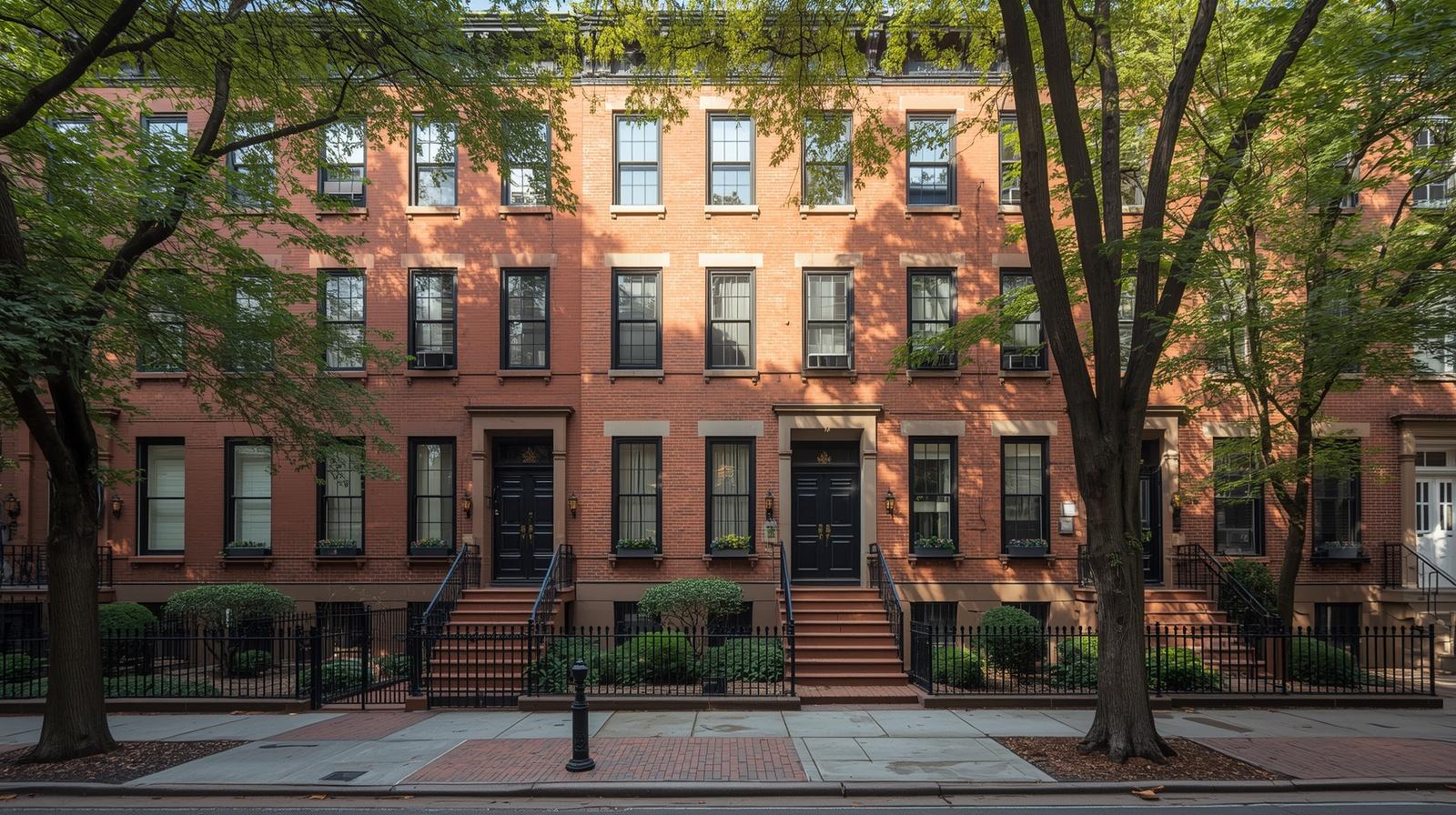
The first call you should make is not to a contractor. It is to your condo association or property management company.
Why You Need Approval
Nearly every condominium association in Greater Boston requires written approval before any renovation work begins inside a unit. This is typically spelled out in your condo’s master deed, bylaws, or rules and regulations. The approval process exists to protect the building’s structural integrity, shared systems, and the quality of life for other residents.
What the Board Wants to See
Expect to submit some or all of the following:
- A detailed scope of work describing exactly what will be done.
- Contractor information, including their license numbers, Home Improvement Contractor (HIC) registration, and references.
- A certificate of insurance (COI) from your contractor, naming the condo association as an additional insured. This is non-negotiable at virtually every Boston-area condo.
- Proposed timeline and work schedule, showing the start date, expected completion, and daily work hours.
- Architectural or design plans, especially if plumbing or structural changes are involved.
Some associations have a formal architectural review committee. Others handle approvals through the board of trustees. Either way, plan for the approval process to take two to six weeks, sometimes longer. Do not sign a contract with a start date until you have written approval in hand.
Alteration Agreements
Many condo associations require unit owners to sign an alteration agreement before work begins. This document typically establishes that the unit owner is responsible for any damage to common areas during the renovation, requires the owner to restore any common elements affected by the work, and may include a security deposit that is returned after a post-renovation inspection.
What Common Restrictions Will You Encounter?
Condo living means shared walls, shared ceilings, and shared patience. Associations impose restrictions to minimize the impact of renovations on other residents.
Construction Hours
The City of Boston limits construction activity to 7:00 a.m. to 6:00 p.m. on weekdays. However, most condo associations impose stricter hours, often 8:00 a.m. or 9:00 a.m. to 5:00 p.m., Monday through Friday, with no weekend work permitted. Some buildings designate a quiet lunch hour as well. These are not suggestions. Violating construction hour rules can result in fines, work stoppages, or revocation of your renovation approval.
Noise Limitations
Beyond hours, some associations set decibel limits or restrict certain types of noisy work, such as jackhammering or demolition, to specific time windows. Boston’s noise regulations restrict construction noise to no more than 50 dBA at the lot line of a residential property between 6:00 p.m. and 7:00 a.m.
Elevator and Common Area Use
If your building has an elevator, your association will likely require you to reserve it for material deliveries and debris removal. You may need to install protective padding in the elevator and hallways, and schedule deliveries during off-peak hours.
Debris Removal and Dumpsters
You will need a plan for getting old fixtures, tile, and construction debris out of the building. Some associations allow a dumpster in the parking area with advance notice. Others require all debris to be removed daily. Your contractor should have a clear debris management plan.
What Is the Shared Plumbing Challenge in Condo Remodels?
This is where condo bathroom remodels differ most significantly from single-family projects.
How Condo Plumbing Works
In most multi-unit buildings, plumbing is organized around vertical stacks. Supply lines bring water up through the building, and drain lines carry waste down. Your bathroom shares these stacks with the units above and below you. The main waste lines and supply risers are typically considered common elements, owned and maintained by the association, while the plumbing within your walls, from the shutoff valves inward, is your responsibility.
What This Means for Your Remodel
You likely cannot relocate your toilet. If your toilet connects to a shared waste stack, moving it to a different wall is either prohibitively expensive or structurally impossible without affecting other units. The same often applies to shower drains and tub locations.
Water shutoffs affect other units. Connecting new fixtures to the building’s supply lines typically requires shutting off water to the stack, which means your neighbors above and below will temporarily lose water. Your association will require advance notice, often 48 to 72 hours, for any water shutoff.
You must protect the stack. Any work near a shared waste stack must be done carefully to avoid damaging pipes that serve other units. A cracked cast-iron stack is everyone’s problem, not just yours.
This is why working with a contractor experienced in condo renovations is so important. At Cove Bath, we understand the realities of shared plumbing systems and plan every shower installation and bathtub replacement around them.
What Insurance Requirements Apply to Condo Bathroom Remodels?
Condo remodels involve multiple layers of insurance, and getting them right before work begins is essential.
Your Contractor’s Insurance
At minimum, your contractor must carry general liability insurance and workers’ compensation coverage. Most condo associations require your contractor to provide a Certificate of Insurance (COI) naming the association as an additional insured party. This protects the association if the contractor’s work causes damage to common areas.
Your Own Insurance
Review your HO-6 condo insurance policy before starting. Confirm that it covers renovations and that your coverage limits are adequate for the improved value of your unit. Some policies exclude coverage during active construction, so notify your insurer before work begins.
The Association’s Master Policy
The association’s master insurance policy covers common elements, including shared plumbing stacks and structural components. If your renovation accidentally damages a common element, the association’s policy may come into play, but you may be personally liable for the deductible and any costs not covered.
What Cost Considerations Are Specific to Condo Bathroom Remodels?

Condo bathroom remodels often cost slightly more than comparable projects in single-family homes, for a few reasons.
- Logistics and access. Carrying materials up stairs or through narrow hallways takes more time. Elevator reservations and limited parking add friction.
- Working around shared systems. Careful work near shared plumbing stacks takes longer than working with independent systems.
- Association fees. Some associations charge a renovation fee or require a refundable security deposit, typically ranging from 2,500.
- Insurance costs. The additional COI requirements and potential need for increased personal coverage add to the overall cost.
- Noise mitigation. Shorter work windows mean the project may take slightly longer to complete.
That said, a condo bathroom remodel remains one of the best investments you can make in your unit’s value and your daily quality of life. Our fixed-price packages take these condo-specific factors into account, so you will know your total cost upfront.
How Should You Work with Your Condo Board?
A smooth relationship with your condo board makes the entire process easier. Here is how to set yourself up for success.
Start the conversation early. Approach the board or property manager as soon as you begin thinking about a remodel, well before you have finalized plans. This gives you time to understand their requirements and incorporate them into your planning.
Over-communicate. Send written updates before work begins, provide your contractor’s schedule, and notify neighbors directly. A brief, friendly note under your neighbors’ doors goes a long way.
Choose a contractor the board will trust. Boards are more comfortable approving work when the contractor is licensed, insured, experienced with condo projects, and responsive to questions. Share your contractor’s credentials proactively.
Document everything. Photograph the hallways, elevator, and any common areas near your unit before work begins. This protects you from being held responsible for pre-existing damage.
Respect the rules, even the annoying ones. Construction hour limits and elevator restrictions exist because past renovations caused problems. Following the rules keeps your board on your side and your project on track.
Ready to Remodel Your Condo Bathroom?
A condo bathroom remodel takes more planning, but the result is the same: a beautiful, functional space you will use every day. The key is working with a contractor who knows the condo landscape and can navigate the approvals, shared systems, and logistics seamlessly.
Take our online quiz to get an instant estimate for your condo bathroom remodel, or schedule a virtual consultation to discuss your project. We have helped condo owners across Boston, Cambridge, Brookline, Somerville, and throughout Greater Boston transform their bathrooms. See examples in our project gallery.