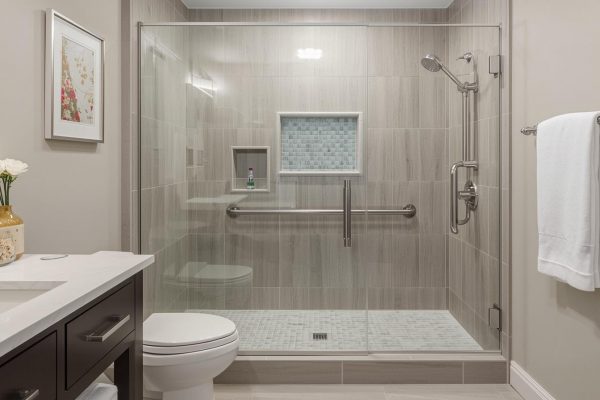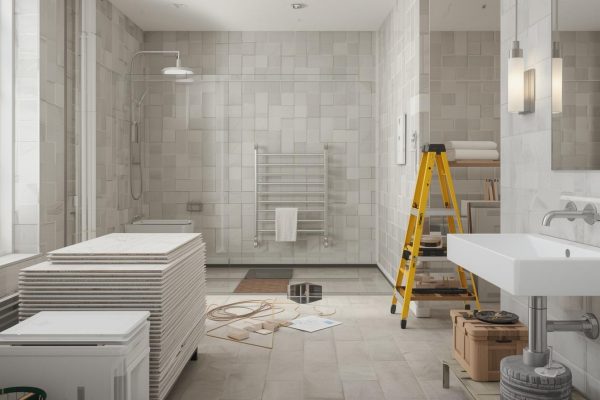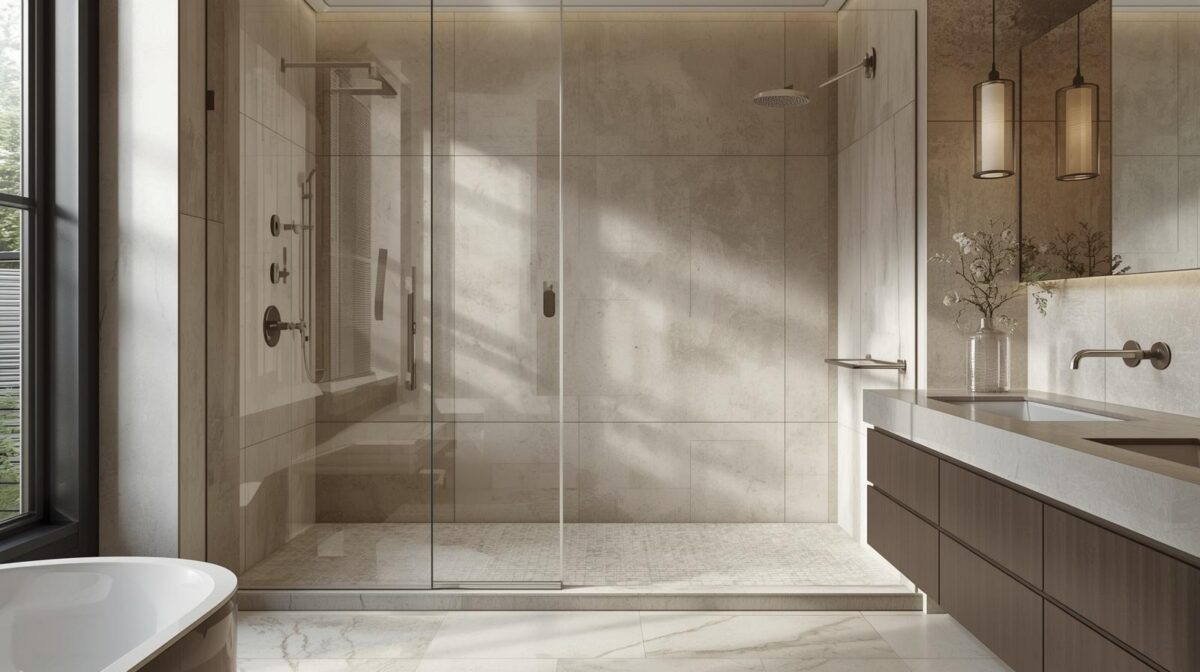
The curbless shower — also called a zero-threshold or barrier-free shower — has moved from a niche accessibility feature to one of the most requested design elements in modern bathroom remodels, typically starting around $15,000 for a complete installation. Walk into any high-end hotel or flip through a design magazine and you will see them everywhere: a seamless transition from bathroom floor to shower floor with no step, no lip, and no visual break.
But a curbless shower is not just about aesthetics. It is an engineering project that demands precise execution. Before you commit, you need to understand what is involved, what it costs, and whether it is the right choice for your bathroom.
Frequently Asked Questions
What is the difference between a curbless shower and a standard shower?
A standard shower has a curb — a raised lip, typically 4 to 6 inches high, that runs along the shower opening to contain water. You step over it every time you get in and out. A curbless shower eliminates that curb entirely. The bathroom floor and shower floor are on the same plane, with a subtle slope directing water toward a drain. The result is a flush, walk-in entry that looks clean and feels spacious.
How much more does a curbless shower cost than a standard shower?
On a percentage basis, a curbless shower typically runs 30 to 50 percent more than a standard curbed shower of similar size and finish level. Expect a curbless shower to cost $2,000 more than a comparable curbed shower at minimum, and in some cases more if significant structural work is needed.
Will a curbless shower cause water to leak onto my bathroom floor?
Without a curb, water has no physical barrier, and splashing can reach the bathroom floor, especially with open designs that do not include a glass enclosure. Proper floor slope and an adequately sized linear drain mitigate this, but a curbless shower will never contain water as completely as a curbed one. A glass panel or partial enclosure at the shower opening is strongly recommended.
Is a curbless shower harder to maintain?
Linear drains look sleek but require more frequent cleaning than standard center drains. Hair, soap buildup, and debris collect in the channel and need to be cleared regularly to maintain proper drainage. However, the absence of a curb eliminates hard-to-reach corners where mold and soap scum typically accumulate, making routine cleaning faster and more thorough overall.
Is a curbless shower right for every bathroom?
Not necessarily. If your bathroom door is close to the shower, water may reach the doorway. Bathrooms with wood flooring outside the shower area face higher risk from any water that escapes. And in some older homes, the floor structure makes it impractical to lower the subfloor enough for a flush transition.
What Is a Curbless Shower?
A standard shower has a curb — a raised lip, typically 4 to 6 inches high, that runs along the shower opening to contain water. You step over it every time you get in and out.
A curbless shower eliminates that curb entirely. The bathroom floor and shower floor are on the same plane, with a subtle slope directing water toward a drain. The result is a flush, walk-in entry that looks clean and feels spacious.
This is not simply a matter of removing the curb from a conventional shower. The entire floor system must be re-engineered to manage water without that physical barrier.
How Is a Curbless Shower Built?
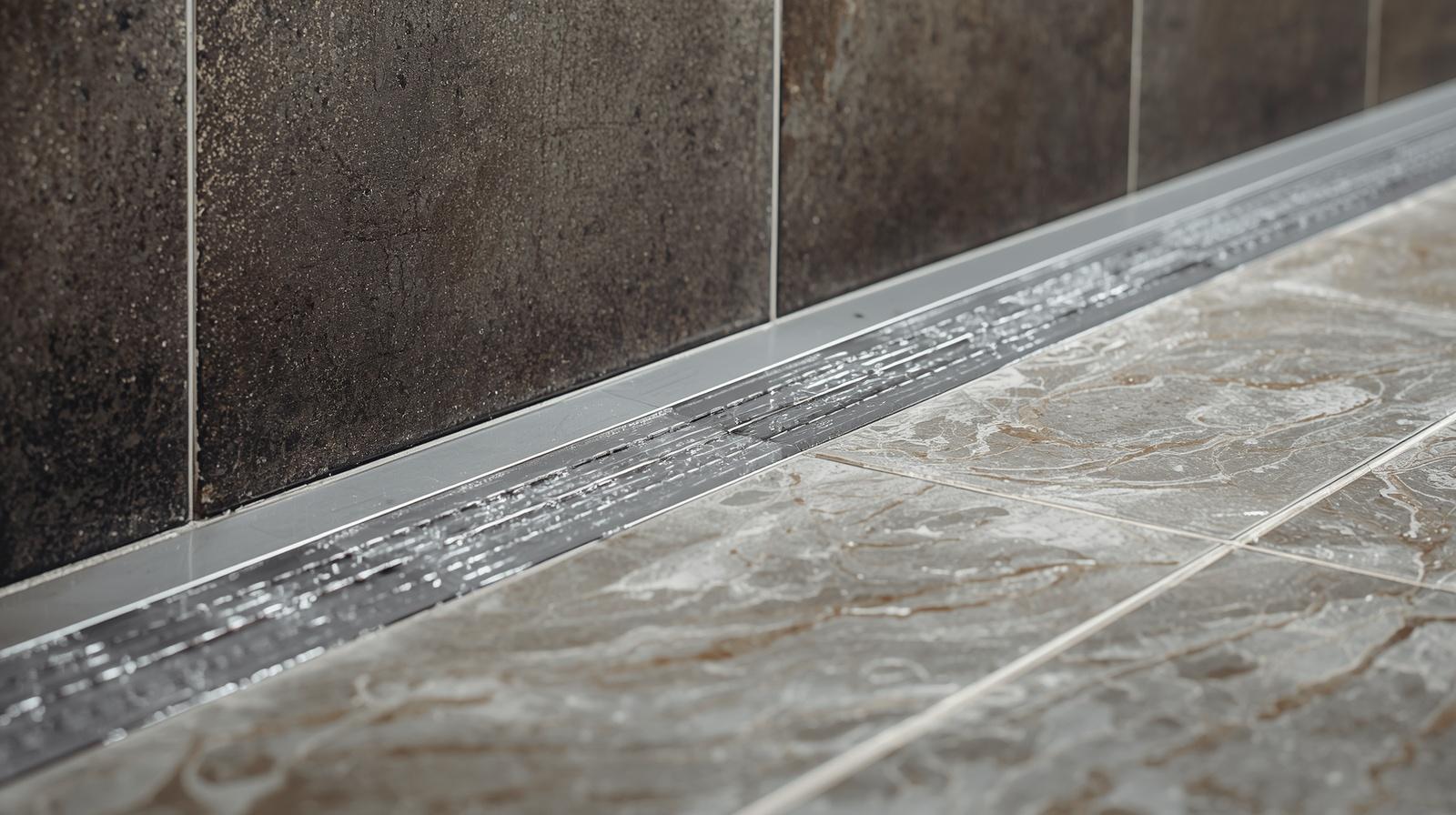
Building a curbless shower correctly requires several specialized construction steps that differ from a standard shower installation.
Floor slope and drainage
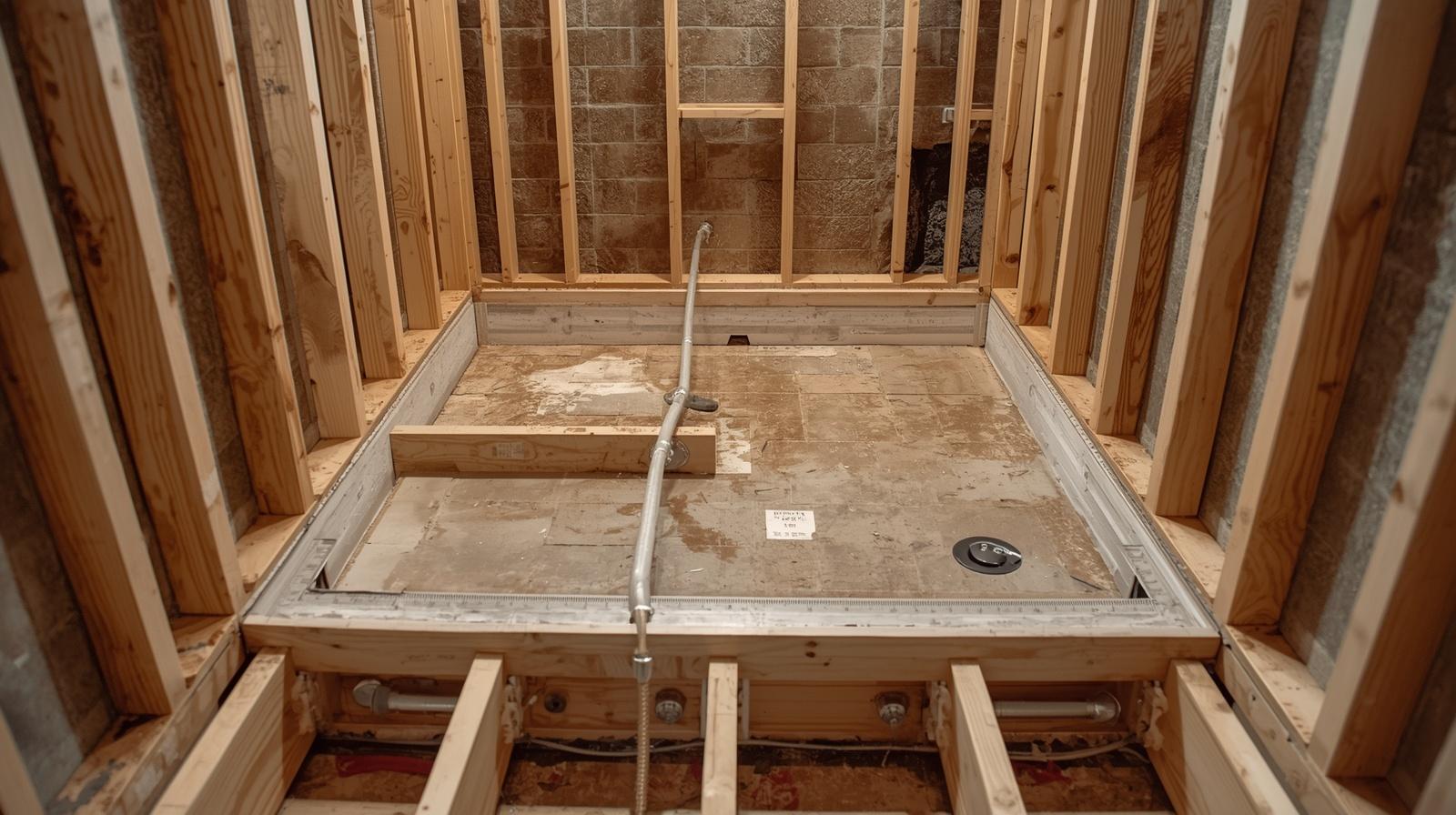
The shower floor must slope toward the drain at approximately 1/4 inch per foot. In a curbless design, the surrounding bathroom floor may also need to slope gently toward the shower area, or a subtle recessed channel at the threshold helps guide water inward.
Even a small error in the slope can cause water to pool on the bathroom floor or stand in the shower. This is one of the most precision-critical elements of the entire build.
Linear drains
Most curbless showers use a linear drain — a long, narrow channel installed along one wall of the shower, typically at the entrance. Linear drains allow the entire shower floor to slope in a single direction (rather than the four-way slope required by a center drain), which simplifies the tile layout and creates a cleaner look.
Linear drains cost $800 for the unit alone, compared to $150 for a standard center drain.
Waterproofing
Waterproofing is critical in any shower, but curbless designs raise the stakes. Without a curb acting as a physical dam, water can travel along the floor surface to the edges of the shower area. The waterproofing membrane must extend continuously from the shower floor across the threshold and onto the adjacent bathroom floor.
Common systems include sheet membranes (like Schluter DITRA or Kerdi) and liquid-applied membranes. Every seam, corner, and drain connection must be sealed flawlessly. A single breach leads to moisture in the subfloor, and in older Massachusetts homes with wood-frame construction, that means rot and mold.
Subfloor modifications
In most homes, creating a curbless shower requires lowering the subfloor within the shower area so the finished tile surface sits flush with the surrounding bathroom floor. This may involve cutting into floor joists or building up the bathroom floor around the shower — both of which add structural complexity and cost.
What Are the Pros of a Curbless Shower?
Universal accessibility
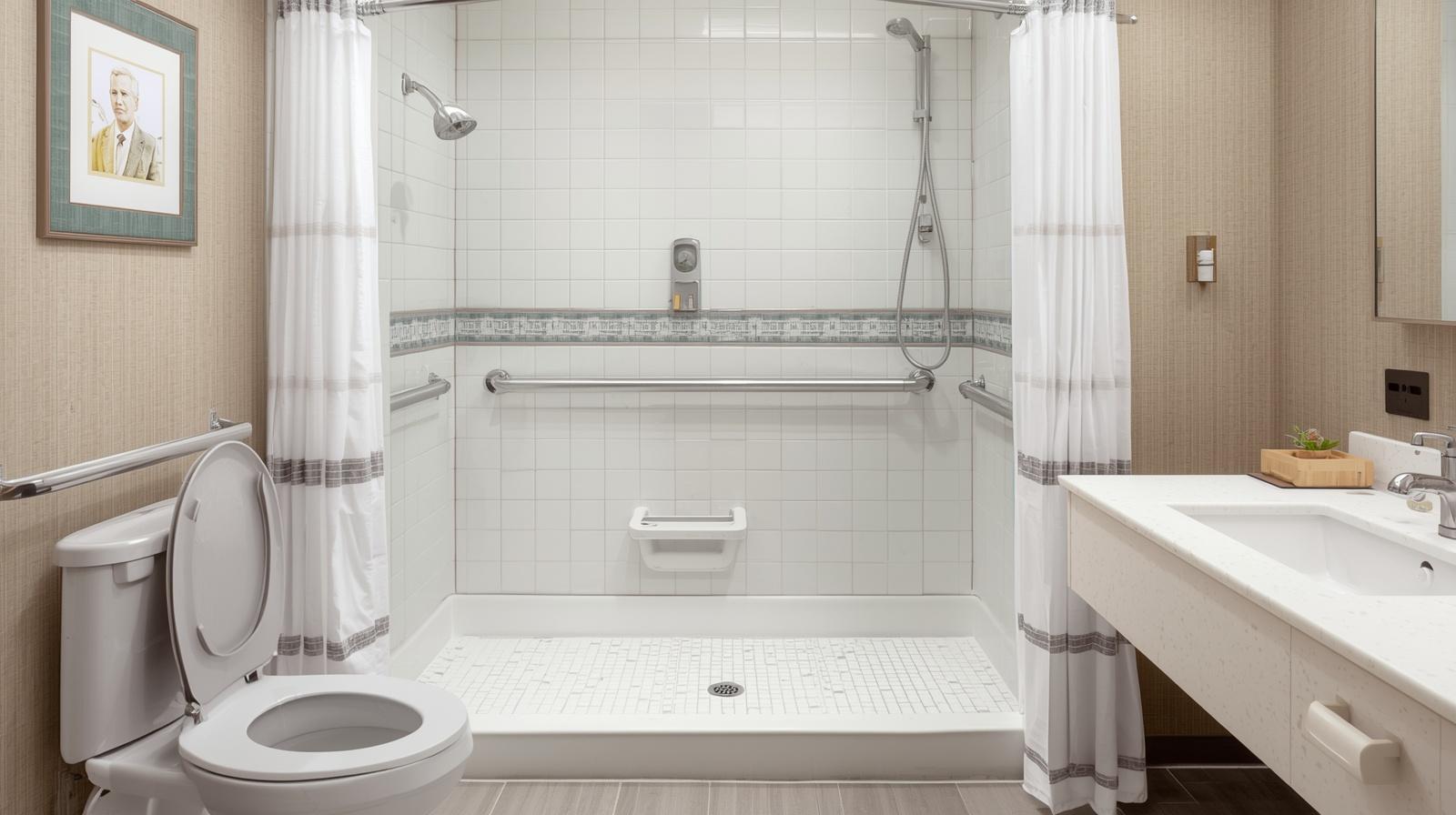
The most practical benefit is barrier-free entry. A curbless shower is accessible to people using wheelchairs, walkers, or anyone with limited mobility. It also eliminates a common trip hazard, making it safer for children and older adults.
If you are designing a bathroom with aging in place in mind, a curbless shower is one of the most valuable features you can include. It meets the functional requirements of ADA-compliant design while looking like a deliberate style choice rather than a medical adaptation.
Open, spacious feel
Without a curb and often without a full glass enclosure, curbless showers make bathrooms feel significantly larger. This is especially valuable in smaller bathrooms common in older Greater Boston homes, where every visual trick that expands the space is welcome.
Pairing a curbless shower with a frameless glass panel amplifies this effect — the eye travels uninterrupted across the room.
Easier cleaning
No curb means no hard-to-reach corners where mold and soap scum accumulate. The entire shower floor is flush and accessible, making routine cleaning faster and more thorough.
Strong design appeal
Curbless showers read as modern and intentional. They pair naturally with large-format tiles, warm wood-look porcelain, and minimalist hardware. For homeowners updating a dated bathroom, a curbless shower can anchor the entire aesthetic.
What Are the Cons of a Curbless Shower?
Water containment challenges
This is the most common concern, and it is legitimate. Without a curb, water has no physical barrier. Splashing can reach the bathroom floor, especially with open designs that do not include a glass enclosure.
Proper floor slope and an adequately sized linear drain mitigate this, but a curbless shower will never contain water as completely as a curbed one. A glass panel or partial enclosure at the shower opening is strongly recommended.
Higher installation cost
The precision framing, subfloor modifications, extended waterproofing, and linear drain all add to the bill. Expect a curbless shower to cost $2,000 more than a comparable curbed shower, and in some cases more if significant structural work is needed.
Requires skilled installation
A curbless shower is only as good as its installer. The floor slope must be precise, the waterproofing must be continuous, and the drain must handle the expected water volume. An inexperienced contractor can create a shower that floods the bathroom or develops hidden leaks within months.
Drain maintenance
Linear drains look sleek but require more frequent cleaning than standard center drains. Hair, soap buildup, and debris collect in the channel and need to be cleared regularly to maintain proper drainage.
Not ideal for every bathroom layout
If your bathroom door is close to the shower, water may reach the doorway. Bathrooms with wood flooring outside the shower area face higher risk from any water that escapes. And in some older homes, the floor structure makes it impractical to lower the subfloor enough for a flush transition.
What Does a Curbless Shower Cost Compared to a Standard Shower?
| Component | Standard Curbed Shower | Curbless Shower |
|---|---|---|
| Shower pan/floor prep | $1,500 | $3,500 |
| Drain (center vs. linear) | $150 | $800 |
| Waterproofing | $600 | $1,200 |
| Subfloor modification | Usually none | $2,000 |
| Tile installation | $4,000 | $5,000 |
| Glass enclosure | $2,500 | $2,500 |
| Total range | $8,750 | $15,000 |
On a percentage basis, a curbless shower typically runs 30 to 50 percent more than a standard curbed shower of similar size and finish level.
Who Should Consider a Curbless Shower?
Aging in place
If you plan to live in your home for the long term, a curbless shower is one of the smartest investments you can make. It eliminates the need for a future accessibility retrofit, which would likely cost more than building it right the first time.
Modern aesthetic goals
Homeowners aiming for a clean, contemporary bathroom design will find that a curbless shower is the natural anchor for that look. Combined with large-format tile and a floating vanity, the effect is striking.
Small bathrooms
Counter-intuitively, curbless showers work exceptionally well in compact spaces. The absence of a curb and the ability to use consistent flooring throughout the room makes a small bathroom feel noticeably larger.
Multigenerational homes
If your household includes young children and aging parents, a zero-threshold shower serves everyone safely.
How Do You Build a Curbless Shower With Confidence?
A curbless shower is a premium feature that demands premium execution. The difference between a beautifully functional curbless shower and a water-management headache comes down to the contractor’s experience and the quality of the waterproofing system.
At Cove Bath, our shower installation and walk-in shower conversion projects are handled by experienced tradespeople who understand the precision required for barrier-free designs. And because we use fixed pricing, you know the cost of your curbless shower upfront — no surprises when the subfloor work turns out to be more involved than expected.
How Do You Get a Price for Your Curbless Shower Remodel?
Interested in a curbless shower for your bathroom? Take the Cove Bath online quiz to get an instant price for your complete bathroom remodel, including your preferred shower design. You can also book a free virtual consultation to discuss the specifics of your bathroom layout and whether a curbless design is the right fit.