Heated Bathroom Floors: Cost, Pros, and Cons for Boston Homes
Heated bathroom floors cost around $1,400 installed for a typical 50-square-foot bathroom using an electric mat system, with monthly energy costs of approximately $20. If you have ever stepped onto an ice-cold bathroom floor on a January morning in the Greater Boston area, you already understand the appeal of heated bathroom floors. Radiant floor heating has gone from a luxury add-on to one of the most requested upgrades in bathroom remodeling, and for good reason. It is comfortable, energy-efficient, and surprisingly affordable when installed during a bathroom renovation.
This guide breaks down everything you need to know about heated bathroom floor costs, system types, energy usage, and why a New England bathroom remodel is the perfect time to add one.
Frequently Asked Questions
How much does it cost to install a heated bathroom floor in Boston?
An electric mat system costs approximately $15 per square foot installed, totaling around $1,400 for a standard 50-square-foot bathroom including a programmable thermostat. Hydronic systems cost significantly more, around $30 per square foot or $6,000 for the same size bathroom.
How much will a heated bathroom floor add to my electric bill?
Electric radiant floor systems typically use 12 to 15 watts per square foot. For a 50-square-foot bathroom running 4 hours per day during the heating season, you can expect to pay roughly $20 per month. Over a full Boston heating season (October through April), that works out to approximately $175 per year. A programmable or WiFi thermostat can reduce operating costs by 20 to 30 percent.
What type of flooring works best with radiant heat?
Porcelain tile is the top choice for heated bathroom floors due to its excellent thermal conductivity, quick heat-up time, and water resistance. Ceramic tile and natural stone (marble, slate, granite) also work well. Vinyl, laminate, and wood flooring are generally poor choices as they do not conduct heat efficiently and may warp over time.
Is it better to add heated floors during a remodel or retrofit later?
Adding radiant heat during a remodel is significantly more cost-effective. When the bathroom is already being gutted, the heating mat installs directly on the subfloor before tile goes down, adding minimal labor cost. Retrofitting later requires tearing out existing flooring, installing the system, and re-tiling, which often doubles or triples the total project price.
Are heated bathroom floors worth the investment?
For most Greater Boston homeowners, yes. The upfront cost for an electric system is modest, monthly operating costs are low, and the daily comfort benefit lasts for years. Heated floors also add appeal to buyers in communities like Wellesley, Lexington, and Brookline who expect updated bathrooms with standout features.
How Do Heated Bathroom Floors Work?
Radiant floor heating warms your bathroom from the ground up by installing a heat source beneath your finished flooring. Instead of blowing hot air through vents like a traditional forced-air system, radiant heat rises evenly across the entire floor surface. The result is consistent warmth without drafts, cold spots, or noise.
There are two main types of systems, and the one you choose will determine both your upfront cost and long-term operating expenses.
What Are the Differences Between Electric Mat Systems and Hydronic Systems?
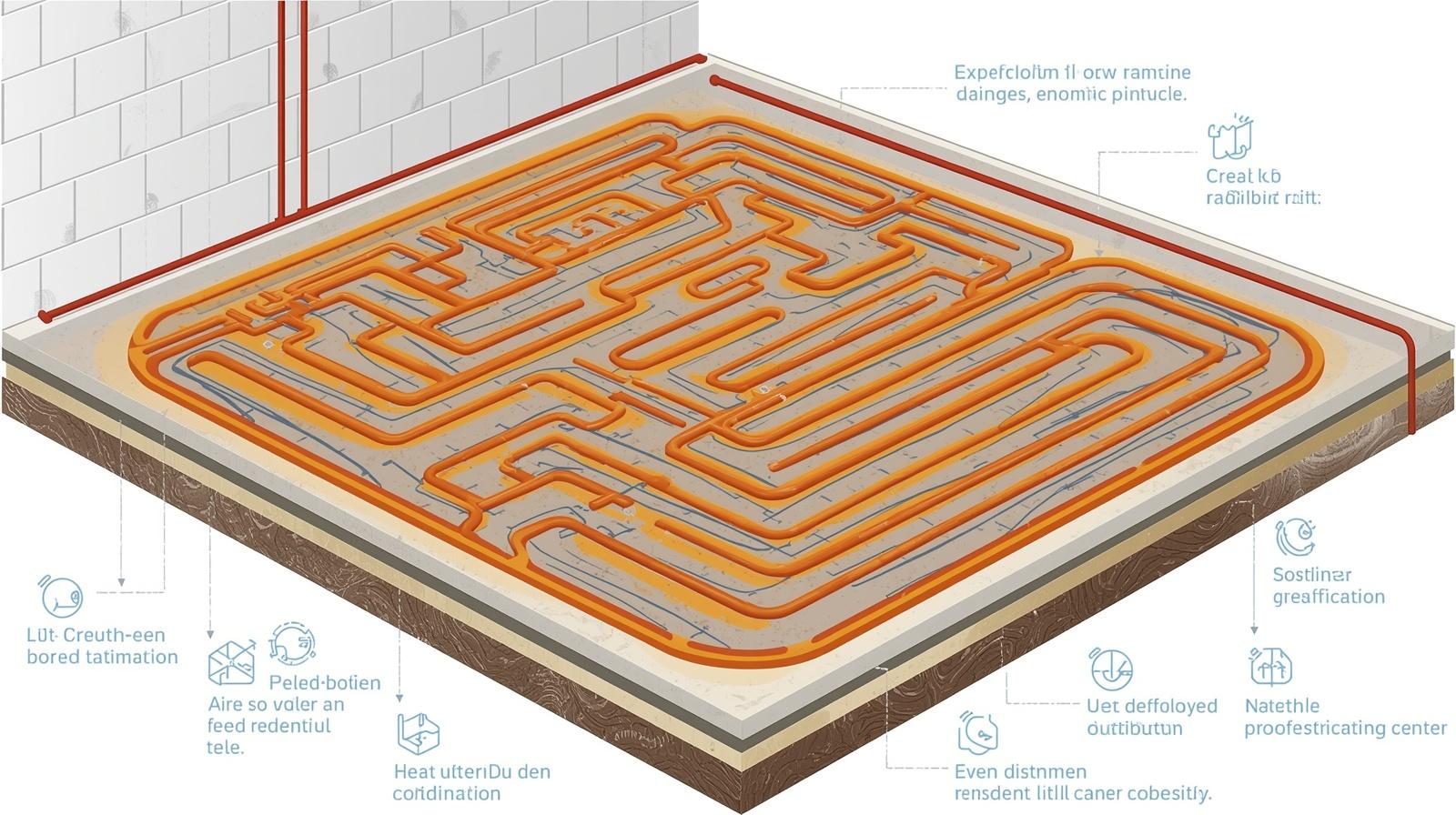
Electric Radiant Floor Heating
Electric systems use thin heating cables or pre-assembled mats that are installed directly beneath your tile floor. They run on your home’s standard electrical system and are controlled by a wall-mounted thermostat, often a programmable or WiFi-enabled model.
Electric mat systems are the most common choice for individual bathroom projects. They are relatively simple to install during a remodel, do not require a boiler, and heat up quickly. For a single bathroom, they are the clear winner on cost and practicality.
Hydronic Radiant Floor Heating
Hydronic systems circulate heated water through a network of tubing installed beneath the subfloor. They connect to a boiler or water heater and are significantly more complex to install.
While hydronic systems are more energy-efficient for heating large areas or entire homes, they are rarely cost-effective for a single bathroom. The installation involves running supply and return lines, connecting to a boiler system, and often modifying the subfloor structure. For most Boston-area homeowners remodeling one or two bathrooms, electric systems make far more sense.
What Does a Heated Bathroom Floor Cost?
Electric Mat Systems
- Materials: $10 per square foot for the heating mat and thermostat
- Installation labor: $10 per square foot
- Total installed cost: $15 per square foot
- Typical bathroom (50 sq ft): $1,400
For a standard bathroom in a Wellesley, Newton, or Brookline home, most homeowners spend between 1,400 total for an electric radiant floor system including a programmable thermostat.
Hydronic Systems
- Materials: $15 per square foot for tubing and components
- Installation labor: $15 per square foot (plus boiler connection)
- Total installed cost: $30 per square foot
- Typical bathroom (50 sq ft): $6,000
Hydronic systems only make financial sense when you are heating multiple rooms or an entire home during new construction. For a single bathroom remodel, the cost is difficult to justify.
What Will Heated Floors Add to Your Monthly Electric Bill?
One of the most common concerns about heated floors is the ongoing electricity cost. The good news is that for a bathroom, the numbers are modest.
Electric radiant floor systems typically use 12 to 15 watts per square foot. For a 50-square-foot bathroom running 4 hours per day during the heating season, you can expect to pay roughly $20 per month. A larger master bathroom may run $25 per month.
Over a full heating season in the Boston area (roughly October through April), that works out to approximately $175 per year. A programmable or WiFi thermostat can reduce operating costs by 20 to 30 percent by heating the floor only during the times you actually use the bathroom, such as early morning and evening.
For context, that is roughly the same energy as running a couple of extra lightbulbs throughout the day.
Why Do Heated Floors Make Sense in New England?
Boston-area homeowners feel the value of heated bathroom floors more than most. Here is why:
Long, cold winters. Massachusetts heating season runs roughly seven months. That is seven months of cold tile floors every morning and evening. Radiant heat eliminates the shock entirely.
Older homes with drafty floors. Many homes in communities like Wellesley, Needham, Natick, and Brookline were built decades ago. Even with good insulation, bathroom floors in older homes tend to run cold. Radiant heat addresses the problem directly at the source.
Reduced reliance on your main heating system. A warm bathroom floor can make the room comfortable at a lower thermostat setting, potentially offsetting some of the energy cost.
Comfort as a daily luxury. Unlike many home upgrades that you notice once and forget, you feel heated floors every single day during winter. The return on comfort is immediate and constant.
What Are the Best Tile Pairings for Radiant Heat?
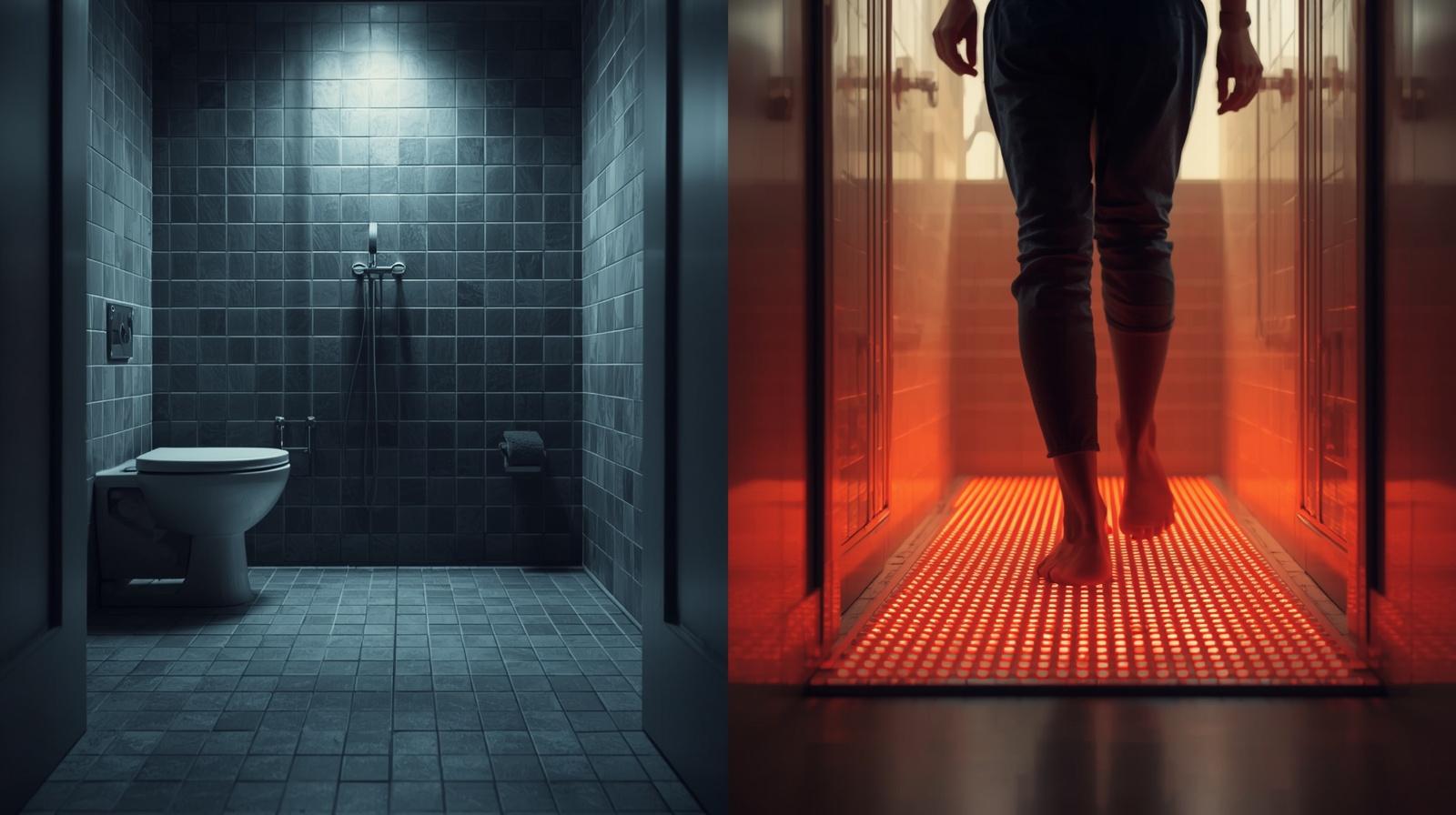
Not all flooring materials conduct heat equally. Tile is the best category overall, but some options perform better than others.
Porcelain Tile (Top Choice)
Porcelain is the gold standard for heated bathroom floors. It has excellent thermal conductivity, heats up quickly, retains warmth efficiently, and is highly water-resistant. Its density and low porosity make it ideal for the humid bathroom environment. If you are investing in radiant heat, porcelain tile is the best pairing for performance and longevity. Learn more about your options on our tile installation page.
Ceramic Tile
Ceramic tile also works well with radiant heat and costs less than porcelain. It conducts heat effectively, though it is slightly more porous and less durable than porcelain over the long term. For a guest bathroom or powder room, ceramic is a solid budget-friendly choice.
Natural Stone (Marble, Slate, Granite)
Natural stone has high thermal conductivity and retains heat longer than manufactured tile. Marble and slate floors over radiant heat feel exceptional. The tradeoff is that stone tiles are often thicker, so they take slightly longer to warm up. For best results, choose stone tiles that are three-quarters of an inch thick or less.
What to Avoid
Vinyl, laminate, and wood flooring are generally poor choices for radiant heat systems. They do not conduct heat as efficiently, and some materials can warp or degrade over time with repeated heating cycles.
Should You Add Heated Floors During a Remodel or Retrofit Later?
This is one of the strongest arguments for adding radiant heat during your bathroom remodel rather than waiting.
During a remodel: When your bathroom is already being gutted, adding electric radiant heat is straightforward. The heating mat installs directly on the subfloor before the tile goes down. There is no need to demolish existing flooring, and the added labor cost is minimal compared to a standalone retrofit.
Retrofitting later: If you want to add heated floors to an already-finished bathroom, you will need to tear out the existing tile or flooring, install the heating system, and then re-tile the entire floor. The demolition and re-tiling costs often double or triple the total project price.
The takeaway: if you are already planning a bathroom remodel, adding heated floors during construction is the most cost-effective time to do it. The incremental cost is a fraction of what a future retrofit would run.
Is a Heated Bathroom Floor Worth It?
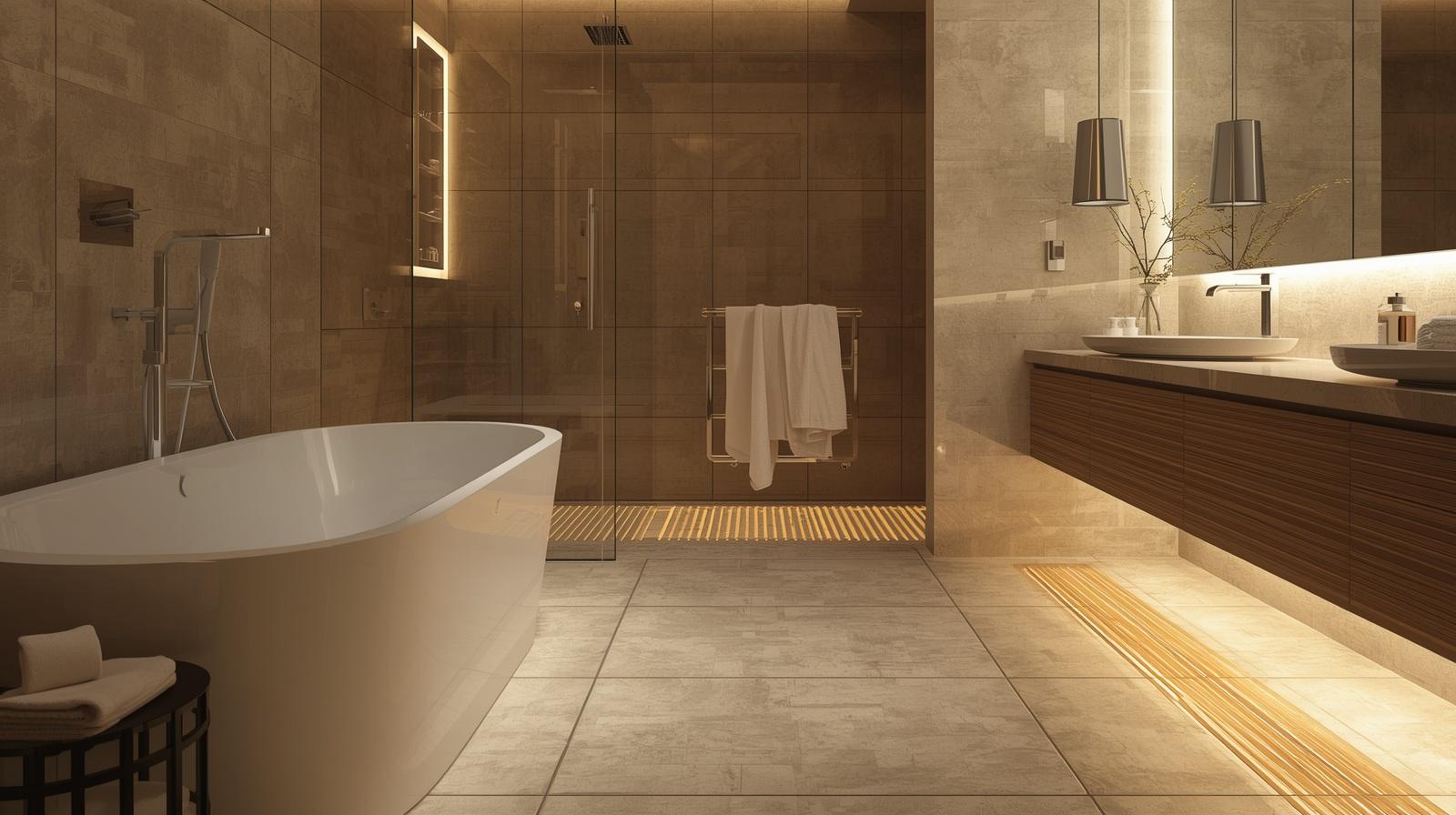
For most Greater Boston homeowners, the answer is yes, especially when installed during a remodel. The upfront cost for an electric system in a standard bathroom is modest (1,400), the monthly operating cost is low (20), and the daily comfort benefit lasts for years.
Heated floors also add appeal when it comes time to sell. Buyers in communities like Wellesley, Lexington, and Brookline expect updated bathrooms, and radiant heat is a feature that stands out during showings.
Ready to Plan Your Bathroom Remodel?
If you are considering heated floors as part of a bathroom renovation, the best time to plan is before construction begins. At Cove Bath, our fixed-price remodeling packages include everything from design through construction, and we can incorporate radiant floor heating into your project.
Take our quick online quiz to get an instant estimate for your bathroom remodel, or schedule a virtual consultation to discuss your project with our team. We serve 50-plus communities across Greater Boston and complete most projects in one to two weeks.