Frameless Glass Shower Doors: Cost, Styles, and Installation
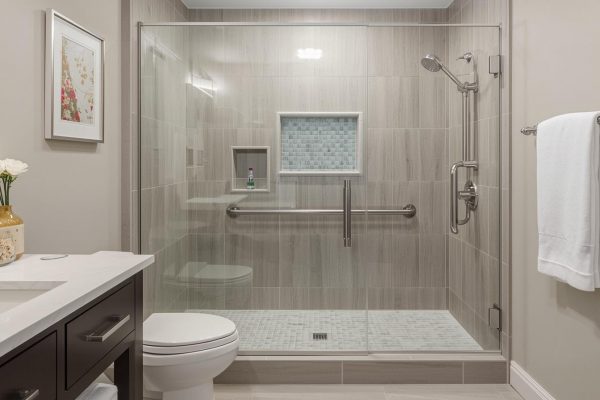
Frameless glass shower doors cost an average of $3,300 installed in 2026, with most homeowners paying between $2,500 and $5,000 or more depending on style, glass thickness, and hardware finish. Few upgrades change the feel of a bathroom as quickly as replacing an old shower curtain or dated framed door with frameless glass — the look is immediate: cleaner lines, more visible tile work, and a bathroom that feels larger and brighter without changing the footprint.
But frameless glass shower doors are also a meaningful investment, and the options — door styles, glass thickness, hardware finishes — affect both the price and the final result. Here is what you need to know before choosing.
Frequently Asked Questions
What makes a shower door “frameless”?
A frameless shower door uses thick tempered glass (typically 3/8-inch or 1/2-inch) that is strong enough to support itself without a metal frame around the edges. The glass panels are secured with minimal hardware: hinges mounted directly to the wall or an adjacent glass panel, and small clips or channels at the base. The result is a nearly invisible enclosure that lets your tile work and fixtures take center stage.
How does frameless compare to framed and semi-frameless?
A framed shower door uses thinner glass (3/16-inch) held within a continuous aluminum or steel frame around all edges. A semi-frameless door splits the difference: the fixed panels are framed, but the door itself is not, giving a cleaner look than fully framed at a lower cost than fully frameless. For most bathroom remodels, frameless doors deliver the best visual result and long-term satisfaction. Semi-frameless is a smart compromise if budget is a concern. Framed doors work well for rental properties or utilitarian bathrooms where aesthetics are secondary to function.
How long does installation take?
The total lead time from measurement to use is typically 2 to 5 weeks. Frameless glass shower doors are custom-measured after tile installation is complete, fabrication takes 1 to 3 weeks, and most installations take 2 to 4 hours. Silicone seals then need 24 to 48 hours to fully cure before the shower is used.
What glass type is best for a small bathroom?
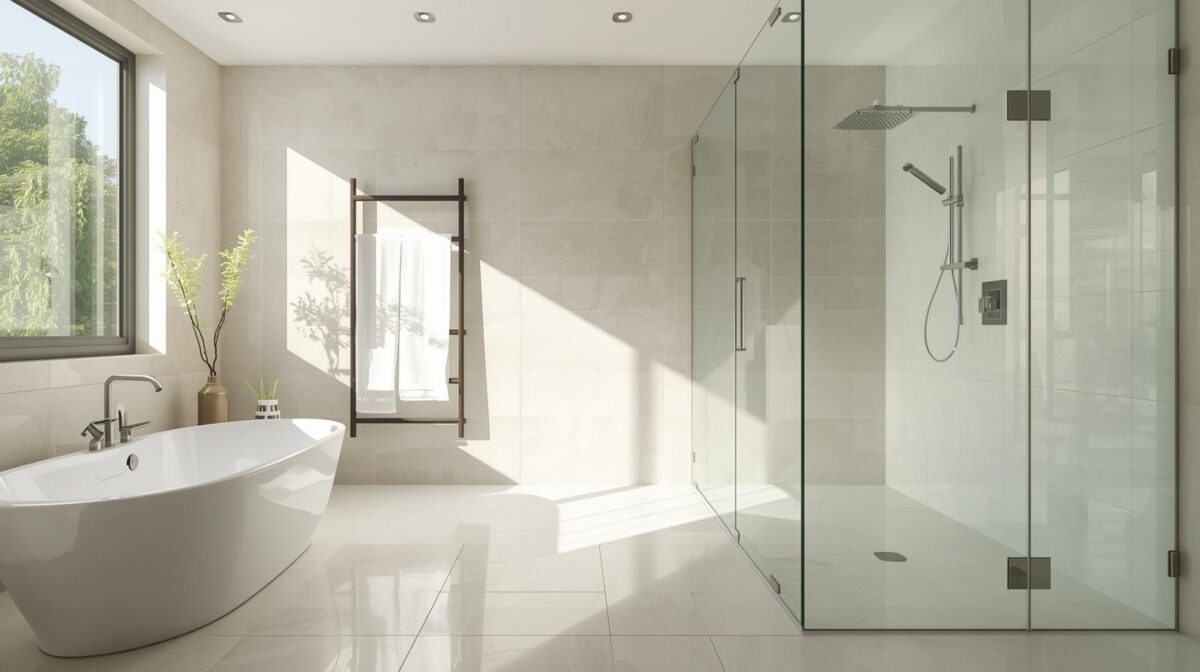
Clear frameless glass is the single most effective way to make a small bathroom feel larger. Low-iron glass takes this a step further by eliminating the faint green tint of standard glass, producing a cleaner, more transparent result. Frosted or patterned glass provides privacy but partially blocks the visual depth that makes clear glass so effective.
How do you maintain frameless glass shower doors?
Squeegee after every shower — this takes 30 seconds and prevents 90 percent of water spot and soap scum buildup. Weekly, spray with equal parts white vinegar and water, let sit for 5 minutes, then wipe with a microfiber cloth. Avoid abrasive scrubbers, harsh chemical cleaners, and neglecting the hardware. Protective coatings like EnduroShield or Diamon-Fusion cost around $200 and reduce cleaning frequency significantly.
What Makes a Shower Door “Frameless”?
A frameless shower door uses thick tempered glass (typically 3/8-inch or 1/2-inch) that is strong enough to support itself without a metal frame around the edges. The glass panels are secured with minimal hardware: hinges mounted directly to the wall or an adjacent glass panel, and small clips or channels at the base.
The result is a nearly invisible enclosure that lets your tile work and fixtures take center stage.
By contrast, a framed shower door uses thinner glass (3/16-inch) held within a continuous aluminum or steel frame around all edges. A semi-frameless door splits the difference: the fixed panels are framed, but the door itself is not, giving a cleaner look than fully framed at a lower cost than fully frameless.
What Does a Frameless Shower Door Cost?
In 2026, frameless glass shower doors cost $3,300 installed, with most homeowners paying between $2,500. Custom configurations with specialty glass or premium hardware can push costs to $$5,000 or more.
The cost per square foot for frameless shower glass runs $70, and installation labor adds $100 per hour, typically requiring 3 to 6 hours depending on complexity.
Cost by door style
| Style | Installed Cost Range | Best For |
|---|---|---|
| Fixed panel (no door) | $1,200 | Walk-in showers, curbless designs |
| Pivot door | $2,500 | Standard shower openings, single-entry showers |
| Sliding (bypass) door | $3,000 | Tub-shower combos, tight bathroom layouts |
| Neo-angle | $3,500 | Corner showers with angled entry |
| Hinged door with fixed panel | $3,300 | Wider shower openings, custom enclosures |
What affects the price
- Glass thickness: 3/8-inch glass is standard for frameless doors. Upgrading to 1/2-inch adds $300 but provides a more substantial feel and better sound dampening.
- Glass type: Clear glass is the most affordable. Low-iron (ultra-clear) glass eliminates the slight green tint of standard glass and adds 300. Frosted, rain, or patterned glass adds 250.
- Hardware finish: Brushed nickel and chrome are standard. Matte black, brushed gold, and oil-rubbed bronze finishes can add 300 to the hardware cost.
- Size and configuration: Larger doors and multi-panel enclosures require more glass and more complex installation.
How Do Frameless, Semi-Frameless, and Framed Doors Compare?
| Feature | Frameless | Semi-Frameless | Framed |
|---|---|---|---|
| Glass thickness | 3/8″ — 1/2″ | 3/16″ — 1/4″ | 3/16″ |
| Installed cost | $3,300+ | $1,800 | $1,200 |
| Appearance | Minimal, modern, open | Clean with some metal visible | Traditional, more visible hardware |
| Cleaning | Easiest — no frames to trap grime | Moderate — fewer crevices than framed | Hardest — frames collect soap scum |
| Water containment | Good with proper seals | Very good — frames help contain water | Best — full perimeter seal |
| Durability | Excellent (thicker glass) | Good | Good (frame protects edges) |
| Custom sizing | Standard — almost always custom-measured | Sometimes available | Often available as stock sizes |
For most bathroom remodels, frameless doors deliver the best visual result and long-term satisfaction. Semi-frameless is a smart compromise if budget is a concern. Framed doors work well for rental properties or utilitarian bathrooms where aesthetics are secondary to function.
How Do You Choose the Right Style for Your Bathroom?
Fixed glass panels
A single sheet of glass mounted to the wall with no moving parts. This is the simplest frameless option and the most popular choice for walk-in and curbless shower designs. The open end allows easy entry without a door to swing or slide.
Best for: Walk-in showers at least 30 inches wide, curbless designs, homeowners who prefer an open feel.
Pivot doors
A pivot door swings open on hinges mounted at the top and bottom of the glass (or at the side, attached to the wall). It provides a full seal when closed and a wide opening when in use.
Best for: Standard shower stalls, bathrooms with enough clearance for the door to swing outward.
Sliding (bypass) doors
Two glass panels that slide past each other on a track. One panel is fixed and one moves. Sliding doors are the go-to choice for tub-shower combinations where a swinging door is impractical.
Best for: Bathtub-shower combos, narrow bathrooms where door clearance is limited.
Neo-angle doors
Designed for corner showers with a diamond or angled shape. The door is set at an angle across the front of the shower, with fixed panels on either side meeting the walls.
Best for: Corner shower installations, smaller bathrooms where a corner layout maximizes floor space.
How Does Glass Choice Affect Small Bathroom Perception?
If you are working with a smaller bathroom — common in older homes across Wellesley, Brookline, Newton, and other Greater Boston communities — your glass choice matters more than you might think.
Clear frameless glass is the single most effective way to make a small bathroom feel larger. It allows the eye to travel uninterrupted through the entire room. Where a shower curtain or frosted framed door visually divides the space, clear glass preserves the sight lines.
Low-iron glass takes this a step further. Standard glass has a faint green tint (visible at the edges) caused by iron content. Low-iron glass is virtually colorless, producing a cleaner, more transparent result.
Frosted or patterned glass provides privacy but partially blocks the visual depth that makes clear glass so effective. Use it selectively — for example, on a toilet-adjacent shower wall — rather than for the entire enclosure.
What Are the Best Maintenance Tips for Frameless Glass?
Frameless doors look stunning on day one. Keeping them that way requires a simple routine.
Daily habits
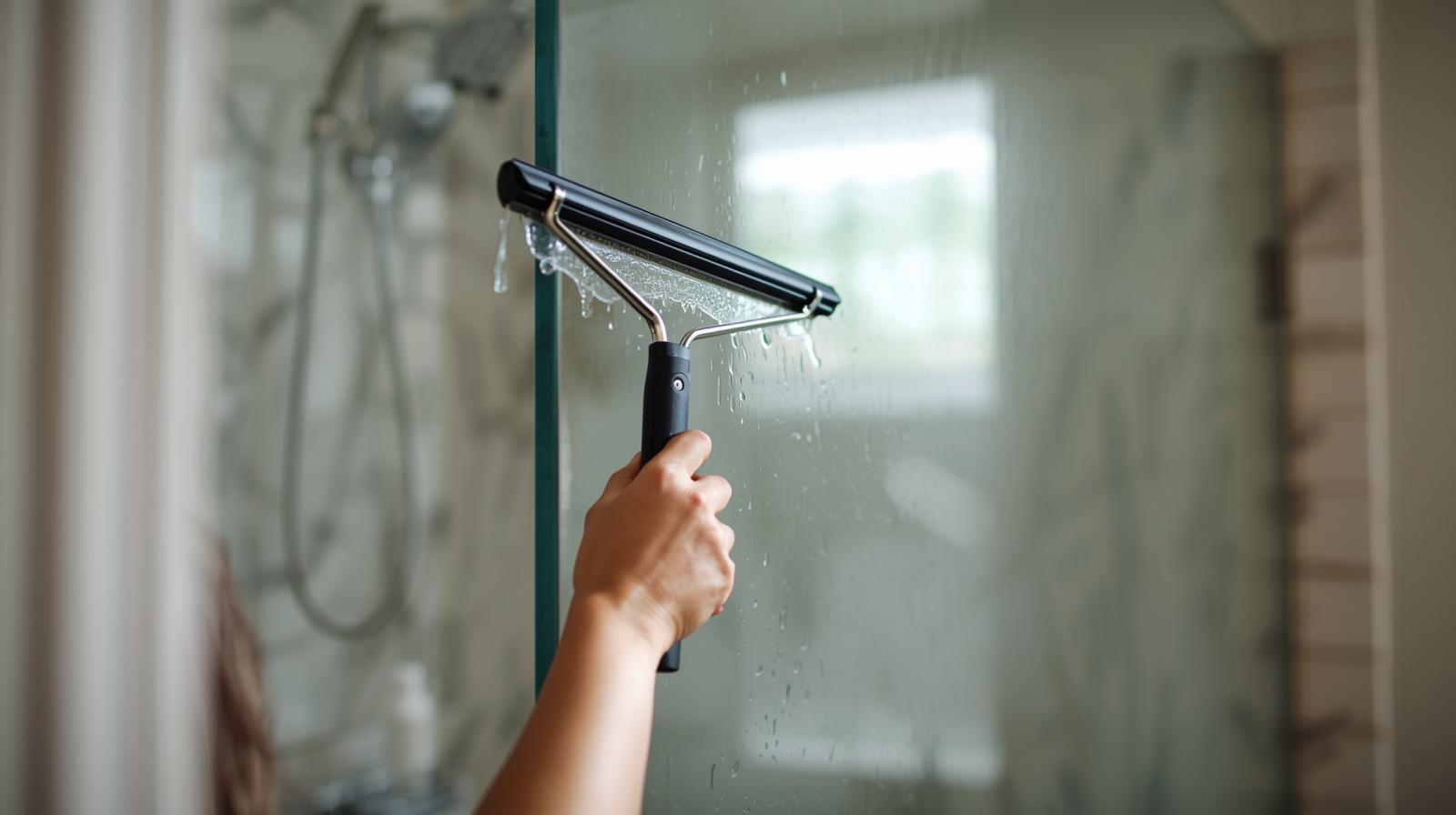
- Squeegee after every shower. This is the single most effective thing you can do. It takes 30 seconds and prevents 90 percent of water spot and soap scum buildup.
- Leave the door or panel slightly open after showering to promote air circulation and drying.
Weekly cleaning
- Spray with a solution of equal parts white vinegar and water. Let it sit for 5 minutes, then wipe with a microfiber cloth.
- For stubborn hard water spots, use a non-abrasive bathroom cleaner or a paste of baking soda and water.
What to avoid
- Abrasive scrubbers or steel wool — they scratch the glass surface permanently.
- Harsh chemical cleaners — they can damage hardware finishes, especially matte black and brushed gold.
- Neglecting the hardware — wipe hinges and clips dry regularly to prevent mineral buildup and corrosion.
Protective coatings
Many glass companies offer a factory-applied protective coating (like EnduroShield or Diamon-Fusion) that causes water to bead and roll off the surface. These coatings cost $200 and reduce cleaning frequency significantly. They are worth considering, especially in areas with hard water.
What Should You Expect During Installation?
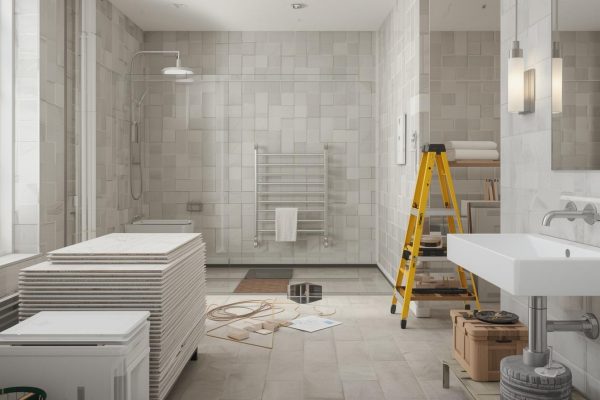
Frameless glass shower doors are custom-measured after your tile installation is complete. Here is the typical process.
- Template visit: A technician measures your exact shower opening, checking for plumb and level. This usually happens 1 to 2 weeks before installation.
- Fabrication: The glass is cut, edges are polished, and any holes for hardware are drilled. Fabrication takes 1 to 3 weeks depending on the manufacturer.
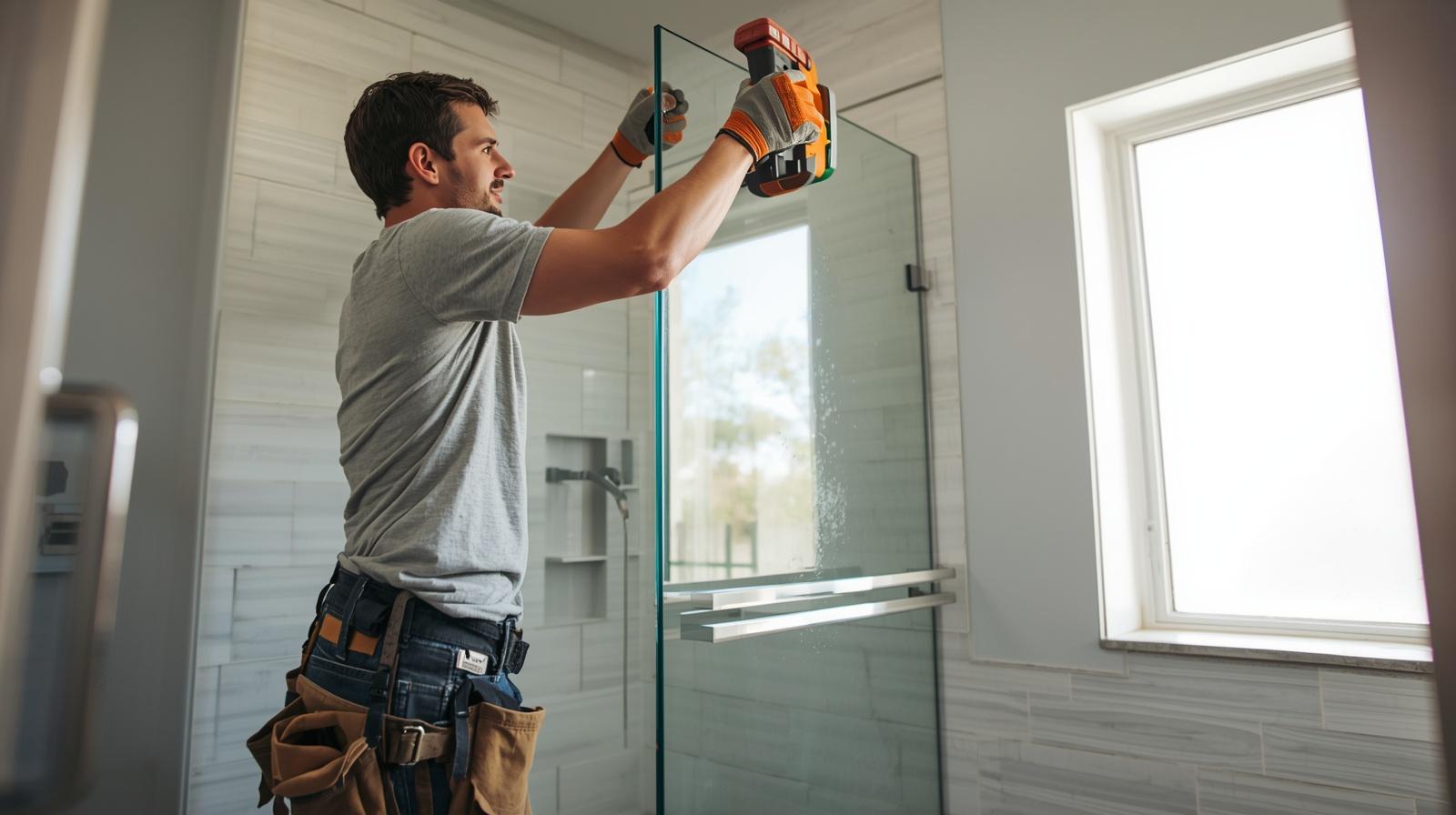
- Installation: The installer mounts brackets, sets the glass, attaches hardware, and applies silicone seals. Most installations take 2 to 4 hours.
- Curing: Silicone needs 24 to 48 hours to fully cure before the shower is used.
The total lead time from measurement to use is typically 2 to 5 weeks. If you are coordinating a full bathroom remodel, the glass door is one of the last elements installed.
How Can You Make Your Glass Shower Door Part of a Complete Remodel?
A frameless glass door looks its best when the entire bathroom supports it — coordinated tile, modern fixtures, proper lighting, and a clean vanity design.
At Cove Bath, frameless glass is a standard option in our bathroom remodel packages. Our fixed pricing at $30,000, and $40,000 covers the full scope of work, including your shower enclosure. No separate glass contractor to coordinate, no surprise upcharges for custom sizing.
Browse our completed projects to see how frameless glass transforms real bathrooms, or explore our full range of bathroom remodeling services.
How Do You Get Started With a Free Quote?
Take the Cove Bath quiz to receive an instant price for your bathroom remodel, including your ideal shower door style. The quiz takes about two minutes, and you will know your price before you ever speak to a salesperson. Ready to discuss details? Book a free virtual consultation — we serve over 50 communities across Greater Boston.