Bathroom Remodeling Permits in Massachusetts: What You Need to Know
Planning a bathroom remodel in the Greater Boston area? Almost every remodel that touches plumbing, electrical, or structural systems requires one or more permits in Massachusetts — and for a typical $40,000 project, expect to pay around $600 total in permit fees. Before you start picking out tile and fixtures, there is an important first step that many homeowners overlook: permits. Massachusetts has clear requirements about when permits are needed for bathroom renovations, and understanding them upfront can save you from costly problems down the road.
At Cove Bath, we handle the permitting process for every project we take on, so our clients never have to worry about navigating municipal offices. But whether you hire us or another contractor, here is what you should know about bathroom remodel permits in Massachusetts.
Frequently Asked Questions
Do I always need a permit for a bathroom remodel in Massachusetts?
Almost always, if you are doing anything beyond purely cosmetic changes. Massachusetts building codes require permits whenever your remodel involves changes to plumbing, electrical systems, or the structural layout of the room. Painting, replacing a showerhead, or swapping like-for-like flooring typically does not require a permit.
How much do bathroom remodel permits cost in Greater Boston?
For a typical bathroom remodel in the $40,000 range, you can expect to pay between $600 total across building, plumbing, and electrical permits. Fees vary by municipality and are usually calculated based on the estimated construction cost of your project.
Can I do my own plumbing or electrical work in Massachusetts?
No. Massachusetts does not offer a homeowner exemption for plumbing or electrical work. Only a master or journeyman plumber licensed by the state Board of Examiners can perform plumbing work, and only a master or journeyman electrician licensed by the state Board of Examiners can perform electrical work.
What happens if I skip the permit for my bathroom remodel?
Skipping permits in Massachusetts can lead to insurance coverage denials, resale complications, safety risks, fines, and even forced removal of non-compliant work. Municipalities can also issue stop-work orders that halt your entire project.
How long does the permit process take?
Turnaround varies by town — from a few days in smaller communities to two or more weeks in busier municipalities like Boston or Brookline.
When Do You Need a Permit for a Bathroom Remodel?

The short answer: almost always, if you are doing anything beyond purely cosmetic changes. Massachusetts building codes require permits whenever your remodel involves changes to plumbing, electrical systems, or the structural layout of the room.
Work That Requires a Permit
- Moving or adding plumbing fixtures. Relocating a toilet, adding a second sink, or moving your shower to a new wall all require a plumbing permit.
- Electrical changes. Adding new outlets, installing recessed lighting, upgrading your electrical panel, or adding a ventilation fan requires an electrical permit. If you are considering a bathroom lighting upgrade, your contractor will need to pull the appropriate permit.
- Structural modifications. Removing or moving walls, enlarging a doorway, or changing the footprint of the bathroom requires a building permit.
- Plumbing fixture replacements. Even straightforward swaps like a bathtub replacement or new vanity installation that connects to existing supply and drain lines typically require a plumbing permit in Massachusetts.
Work That Generally Does Not Require a Permit
- Painting walls and ceilings. Cosmetic surface changes are permit-free.
- Replacing a showerhead or faucet. Swapping hardware on existing fixtures without modifying the plumbing connections behind the wall is considered a minor repair.
- Fixing a leaky faucet or clearing a drain. Basic plumbing repairs that do not alter the system are exempt.
- Replacing flooring with the same type. If you are simply swapping old vinyl for new vinyl without modifying the subfloor, you typically do not need a permit.
The dividing line is straightforward: if the work changes the plumbing, electrical, or structural systems in any way, you need a permit.
What Types of Permits Does a Bathroom Remodel Require?
A full bathroom remodel in Massachusetts often requires multiple permits, each overseen by a different inspector.
Building Permit
The building permit covers the overall scope of construction, including any changes to walls, framing, insulation, or the general layout of the space. Your general contractor applies for this through the local building department.
Plumbing Permit
Any work involving water supply lines, drain lines, or fixture connections requires a plumbing permit. Under Massachusetts law, this work must be performed by a licensed master or journeyman plumber who has been examined and licensed by the Board of State Examiners of Plumbers and Gas Fitters. Homeowners cannot legally do their own plumbing work in Massachusetts, even in their own homes.
Electrical Permit
Similarly, all electrical work must be performed by a licensed master or journeyman electrician licensed by the Board of State Examiners of Electricians. This covers everything from adding GFCI outlets near the sink to wiring new light fixtures and exhaust fans.
Gas Permit
If your remodel involves a gas line, such as relocating a gas-fired water heater that serves the bathroom, a separate gas permit is required.
How Does the Permit Process Work?
In most Greater Boston communities, the process follows a standard pattern.
Step 1: Application. Your contractor submits permit applications to the local building department, along with plans or drawings showing the proposed work. For a straightforward bathroom remodel, detailed architectural drawings are usually not required, but a clear scope of work is.
Step 2: Review and approval. The building department reviews the application to confirm compliance with the Massachusetts State Building Code (currently the 10th Edition) and local bylaws. Turnaround varies by town, from a few days in smaller communities to two or more weeks in busier municipalities like Boston or Brookline.
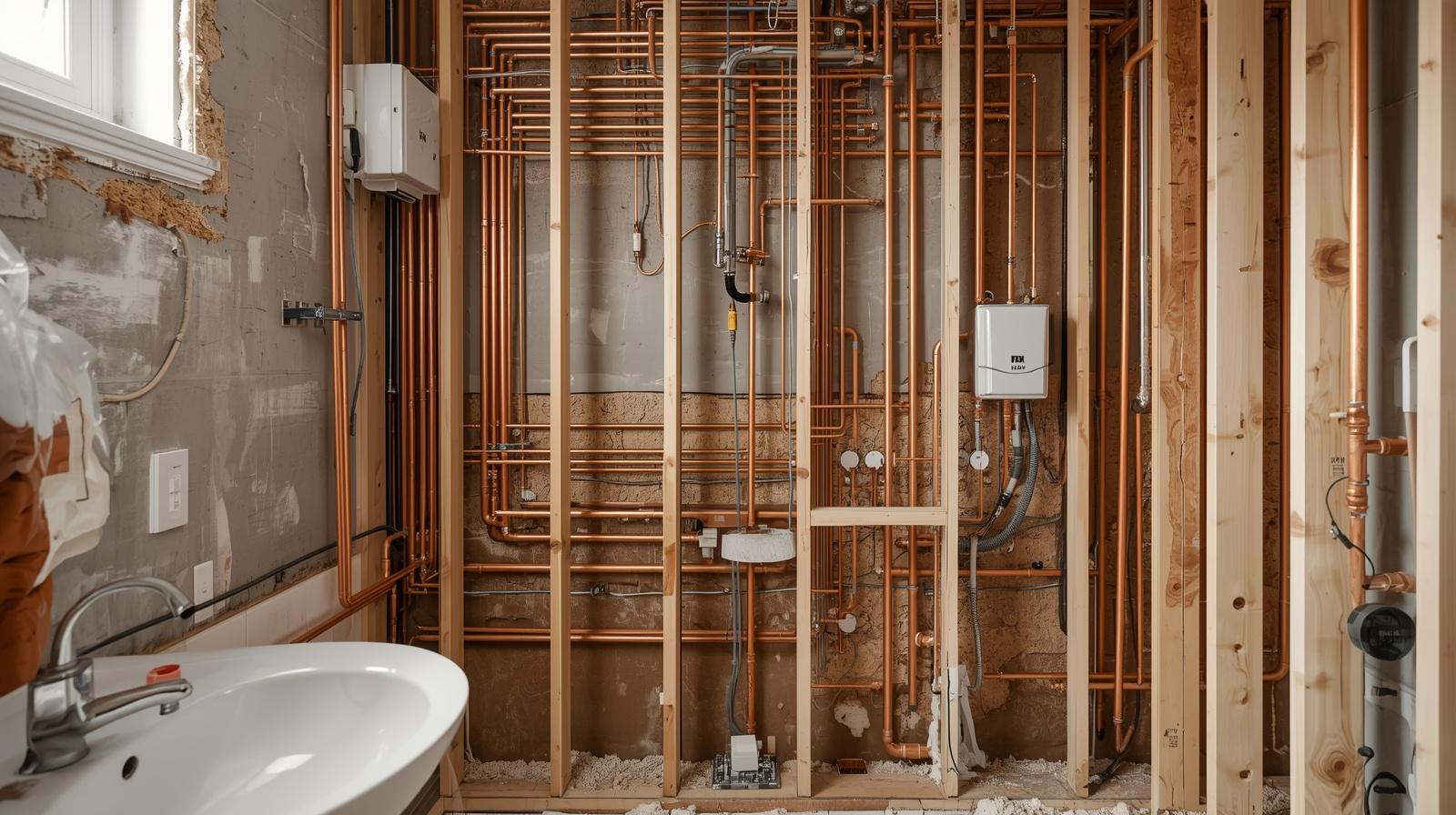
Step 3: Inspections. Once work begins, inspectors visit at specific stages. For a bathroom remodel, you can typically expect a rough plumbing inspection (before walls are closed), a rough electrical inspection, and a final inspection after everything is complete.
Step 4: Final sign-off. The building inspector confirms all work meets code and issues a certificate of completion. This document becomes part of your property record.
At Cove Bath, the permitting process is built into how we work. We pull all necessary permits before starting, coordinate inspections during the project, and ensure final sign-off before we consider the job complete.
How Much Do Permits Cost in Greater Boston?
Permit fees vary by municipality but typically follow a formula based on the estimated construction cost of your project.
- Brookline: $1,000 of construction value, with a $50 minimum.
- Newton: $1,000 of estimated construction cost.
- Boston: Fees are calculated on a sliding scale based on project value, starting at approximately $1,000.
- Wellesley: Uses a combination of project value and square footage calculations.
For a typical bathroom remodel in the $40,000 range, you can expect to pay between $600 total across building, plumbing, and electrical permits. These fees are a small fraction of the overall project cost and are well worth the investment. You can explore our fixed-price packages to see how permit costs fit into your overall budget.
What Happens If You Skip Permits?
Some homeowners are tempted to skip the permitting process to save time or money. This is a serious mistake in Massachusetts, and here is why.
Insurance Problems
Homeowner’s insurance policies may limit or deny coverage for damage caused by or related to unpermitted work. If an unpermitted plumbing modification causes a leak that damages your floors and the unit below, your insurer could refuse the claim entirely.
Resale Complications
When you sell your home, buyers and their lenders will review your property’s permit history. Unpermitted work must be disclosed in Massachusetts, and discovering it can delay or derail a sale. Banks may require the work to be retroactively permitted and inspected before approving a mortgage, which can mean opening up finished walls for inspection.
Safety Risks
Permits exist because inspections catch mistakes. Improperly vented plumbing can allow sewer gas into your home. Incorrectly wired electrical work near water is a shock and fire hazard. An inspector’s trained eye catches these issues before they become dangerous.
Fines and Forced Removal
Massachusetts municipalities have the authority to issue fines for unpermitted work and can require you to remove or redo non-compliant work at your own expense. In some cases, they can issue a stop-work order that halts your entire project.
What Are Massachusetts-Specific Licensing Requirements?

Massachusetts is stricter than many states when it comes to who can legally perform certain types of work.
- Plumbing: Only a master or journeyman plumber licensed by the state Board of Examiners can perform plumbing work. There is no homeowner exemption for plumbing in Massachusetts.
- Electrical: Only a master or journeyman electrician licensed by the state Board of Examiners can perform electrical work. Again, no homeowner exemption.
- General construction: Contractors performing work valued over $1,000 must be registered with the state as Home Improvement Contractors (HIC).
When you hire a contractor, ask to see their licenses and verify them through the state’s online licensing databases. Any reputable contractor will be happy to provide this information. At Cove Bath, all of our tradespeople hold the appropriate Massachusetts licenses, and we are fully registered and insured.
Let Us Handle the Details
The permitting process does not have to be stressful. When you work with an experienced local contractor, permits and inspections are just part of the process, handled seamlessly behind the scenes.
Ready to start planning your bathroom remodel? Take our online quiz to get an instant estimate, or schedule a virtual consultation to discuss your project with our team. We will handle the permits, the inspections, and everything in between.