Bathroom Ventilation: Why Your Fan Matters More Than You Think
Poor bathroom ventilation leads to mold growth, peeling paint, warped wood, and deteriorating grout — problems that are expensive to fix and easy to prevent. If you are planning a bathroom remodel, your ventilation setup deserves real attention, not an afterthought.
If you had to rank bathroom features by importance, the exhaust fan would probably land somewhere near the bottom of your list. It is not glamorous. Nobody posts their bathroom fan on Pinterest. But that quiet vent above your shower is doing more to protect your home than almost any other fixture in the room.
Frequently Asked Questions
Does every bathroom in Massachusetts need an exhaust fan? Massachusetts code requires ventilation in every bathroom — either a window that opens (minimum 1.5 square feet) or a mechanical exhaust fan. In practice, a fan is always the better choice because people do not open windows in January in Wellesley.
What size fan do I need for my bathroom? Code requires a minimum of 1 CFM per square foot for bathrooms up to 100 square feet. For bathrooms over 100 square feet, add 50 CFM per toilet, 50 CFM per shower, 50 CFM per bathtub, and 100 CFM for a jetted tub. Most professionals recommend going one size up for a margin of safety.
How long should a bathroom fan run after a shower? A bathroom needs approximately 15–20 minutes of ventilation after a shower to clear moisture. A timer switch set to run for 15, 30, or 60 minutes is the most reliable way to ensure this happens automatically.
How much does it cost to install a bathroom exhaust fan? During a bathroom remodel, adding or replacing a ventilation fan typically adds $500 to your project. As a standalone retrofit, installation typically costs around $1,500 depending on attic access and duct length.
What is a good sone rating for a quiet bathroom fan? Fans rated 0.3–0.8 sones are near silent. Fans in the 0.5–1.0 sone range cost between $150–$300 for the unit itself. Panasonic WhisperCeiling and Broan InVent are two commonly recommended lines.
Can a bathroom fan vent into the attic? No. Venting into the attic, soffit, or between floors is a code violation and a moisture disaster. The duct must terminate outside your home through a wall cap or roof vent.
Why Does Bathroom Ventilation Matter?
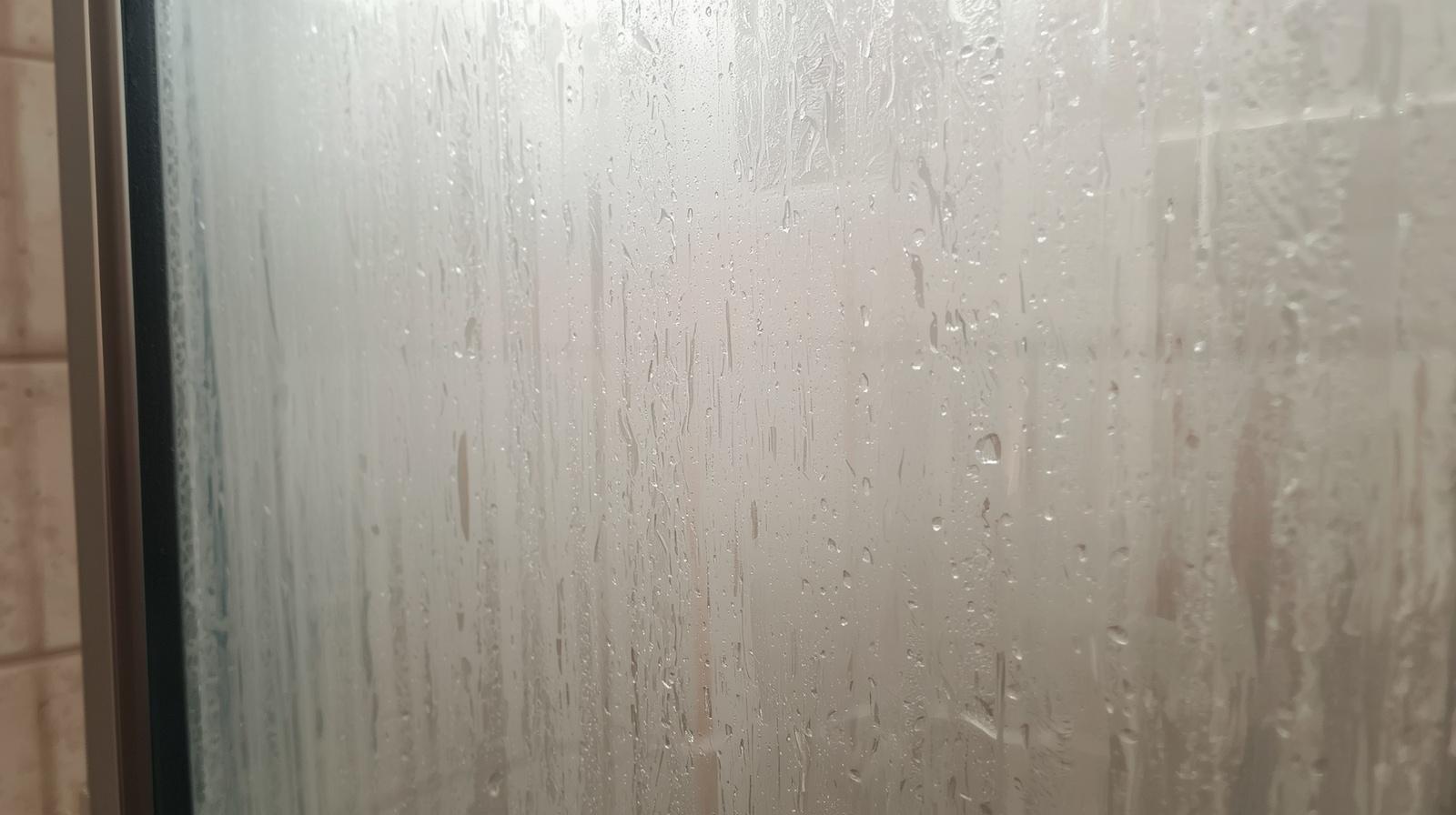
Every shower you take pumps several pints of moisture into the air. In a closed room with no ventilation, that moisture has nowhere to go. It condenses on walls, ceilings, mirrors, and inside wall cavities where you cannot see it.
Mold and mildew prevention. Mold thrives in warm, humid environments. A bathroom without proper ventilation is the ideal breeding ground. Once mold gets into drywall or behind tile, remediation costs thousands of dollars.
Structural protection. Persistent moisture damages drywall, rots wood framing, and degrades subfloor material. In older Boston-area homes where original plaster walls may already be fragile, excess humidity accelerates deterioration.
Air quality. Bathroom fans remove more than moisture. They vent odors, volatile organic compounds from cleaning products, and airborne particles. This matters especially in tightly sealed homes where natural air exchange is limited.
Paint and finish longevity. That fresh paint job or new ceiling you paid for during your remodel will bubble and peel within a year or two if your ventilation is inadequate.
What Are the Massachusetts Code Requirements?
Massachusetts follows the International Residential Code with state-specific amendments. Here is what matters for bathroom ventilation:
- Every bathroom requires ventilation. This can be a window that opens (minimum 1.5 square feet) or a mechanical exhaust fan. In practice, a fan is always the better choice because people do not open windows in January in Wellesley.
- Mechanical fans must vent to the exterior. Venting into the attic, soffit, or between floors is a code violation and a moisture disaster. The duct must terminate outside your home through a wall cap or roof vent.
- Fan capacity must match room size. Code requires a minimum of 1 CFM per square foot for bathrooms up to 100 square feet. Larger bathrooms or those with jetted tubs may require more.
- Electrical work requires a permit. Installing or replacing a bathroom fan in Massachusetts requires an electrical permit and must be done by a licensed electrician or under a general contractor’s supervision.
If your current bathroom vents into the attic — which is surprisingly common in homes built before the 1990s — a remodel is the perfect time to correct it.
How Do You Size Your Fan Using CFM Ratings?
CFM stands for cubic feet per minute. It measures how much air the fan moves. Getting this right is straightforward.
For bathrooms up to 100 square feet: Multiply the square footage by 1. A 50-square-foot bathroom needs a 50 CFM fan at minimum. Most professionals recommend going one size up for a margin of safety — so a 50-square-foot bathroom gets an 80 CFM fan.
For bathrooms over 100 square feet: Add up the CFM needed for each fixture. The general guideline is 50 CFM per toilet, 50 CFM per shower, 50 CFM per bathtub, and 100 CFM for a jetted tub.
For long duct runs: If your ductwork has to travel more than a few feet or includes multiple turns, you lose airflow. A longer duct run means you need a higher-rated fan to deliver the same effective ventilation at the vent.
Most standard bathroom remodels in the Greater Boston area involve bathrooms between 40 and 80 square feet. A quality 80-110 CFM fan covers nearly all of them with room to spare.
Should You Choose a Timer Switch or a Humidity Sensor?
How you control the fan matters almost as much as the fan itself. The three main options each have trade-offs.
Standard toggle switch. The cheapest option and the least effective. People turn the fan off when they leave the bathroom, but the room needs another 15-20 minutes of ventilation to clear the moisture. Nobody stands around waiting.
Timer switch. A significant upgrade. You set the fan to run for 15, 30, or 60 minutes and walk away. The fan shuts off automatically after it has done its job. This is the most popular choice in our remodels.
Humidity-sensing switch. The fan turns on automatically when humidity rises and shuts off when the air dries out. It is fully hands-off, which is appealing, but the sensors can be finicky — some cycle on and off unnecessarily or fail to activate quickly enough. Higher-end models have gotten much better.
Our recommendation: A timer switch is reliable, affordable, and easy to use. If you want the premium option, a humidity sensor from a reputable brand like Panasonic or Broan is worth the extra $30-50.
What Noise Ratings Should You Look for in a Quiet Fan?
Fan noise is measured in sones. Lower is quieter.
- 4.0+ sones: Loud. This is the rattling fan in your college apartment. You can hear it through a closed door.
- 2.0-3.0 sones: Moderate. Noticeable but not annoying. Common in mid-range fans.
- 1.0-1.5 sones: Quiet. A background hum at most.
- 0.3-0.8 sones: Near silent. You have to put your hand up to the grille to confirm it is running.
Modern fans in the 0.5-1.0 sone range cost between 300 for the unit itself. That is a small premium over a loud, cheap fan, and you will appreciate the difference every single morning.
Panasonic WhisperCeiling and Broan InVent are two of the most commonly installed lines in our projects. Both deliver strong airflow at low noise levels and carry solid warranties.
What Does It Cost to Install or Replace a Bathroom Fan?
During a bathroom remodel: Adding or replacing a ventilation fan during a remodel is significantly cheaper because the ceiling is already open, electrical is already being worked on, and ductwork can be routed before drywall goes up. Expect to add 500 to your project depending on the fan model and duct routing complexity.
As a standalone project: Retrofitting a fan into an existing bathroom without other work involves cutting into the ceiling, running new ductwork, and potentially adding a new electrical circuit. Standalone installation typically costs $1,500 depending on attic access and duct length.
The takeaway is clear: if you are already remodeling, this is the time to get your ventilation right. It is one of the most cost-effective upgrades you can include.
How Does Getting Ventilation Right Fit Into Your Remodel?
At Cove Bath, ventilation is part of every bathroom remodel we do — not an add-on or an afterthought. We assess your existing ductwork, confirm exterior venting, and install properly sized, quiet fans as part of the project scope.
Our fixed-price packages include the mechanical and electrical work needed to ensure your new bathroom is properly ventilated and code-compliant.
Wondering what a full remodel looks like for your bathroom? Take our quick online quiz to get an instant estimate, or schedule a virtual consultation to walk through the details with our team.