Bathroom Remodel Mistakes to Avoid: Lessons from Contractors
After completing hundreds of bathroom remodels across the Greater Boston area, we’ve seen just about every mistake a homeowner or contractor can make — some are cosmetic annoyances, while others are expensive failures that require tearing out finished work and starting over.
The frustrating part is that nearly all of these mistakes are avoidable. They stem from rushing decisions, cutting corners to save money, or simply not knowing what to look out for. Here are the most common bathroom remodel mistakes and, more importantly, how to avoid each one.
Frequently Asked Questions
What is the most costly bathroom remodel mistake?
Skipping or cutting corners on waterproofing is typically the most expensive mistake. Water seeping through improperly sealed shower walls or a poorly constructed pan can go unnoticed for months or years, and by the time you see water stains or smell mold, the subfloor and framing may already be rotting — requiring a full tear-out and rebuild.
How much contingency budget should I set aside for a bathroom remodel?
The traditional advice is to set aside 10 to 15 percent of your budget for unexpected costs. An even better approach is to work with a contractor who provides fixed pricing that accounts for standard contingencies so you know the number before work begins.
Do I need a permit for a bathroom remodel in Massachusetts?
In most Greater Boston communities, a bathroom remodel that involves plumbing, electrical, or structural changes requires a building permit. Requirements vary by town — Wellesley, Newton, Brookline, Lexington, and other communities each have their own building department and inspection process. Your contractor should handle the permitting process, but you should confirm this is included in your contract.
When should all design selections be finalized for a bathroom remodel?
Every selection — tile, vanity, fixtures, hardware, paint color — should be finalized before construction begins. Making decisions during construction is the single biggest cause of project delays and homeowner dissatisfaction.
How do I verify a contractor is licensed in Massachusetts?
Verify your contractor’s license with the Massachusetts Division of Professional Licensure. Confirm they carry general liability insurance and workers’ compensation coverage, and ask whether they pull permits for their projects. Any reputable contractor will be happy to provide this information.
What Goes Wrong When You Skip or Cut Corners on Waterproofing?
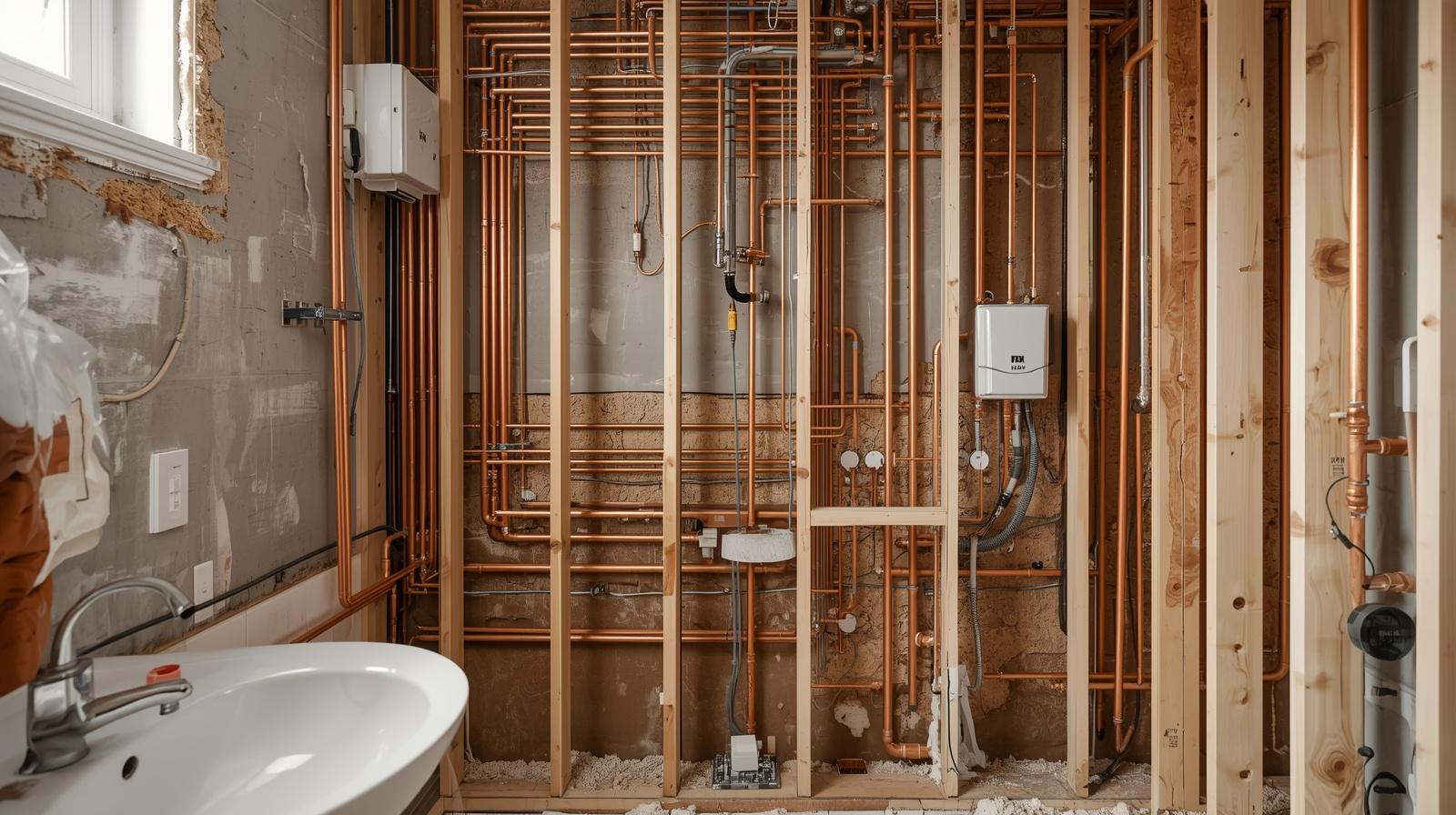
What goes wrong: Water seeps through improperly sealed shower walls or a poorly constructed pan. You won’t notice it for months or even years. By the time you see water stains on the ceiling below or smell mold, the subfloor and framing may already be rotting.
How to avoid it: Insist that your contractor uses a complete waterproofing system — membrane on walls and floor, properly sealed seams, and a flood-tested pan before any tile goes on. This is the single most important step in any shower or tub remodel.
How Do You Choose the Right Tile Size for the Space?
What goes wrong: Large-format tiles in a small shower create awkward cuts, uneven layouts, and visual clutter. Tiny mosaic tiles on large walls can look busy and create maintenance headaches with excessive grout lines. The wrong tile size for the floor can also cause drainage problems in a shower where the floor must slope to a drain.
How to avoid it: Work with your contractor or designer to select tile sizes that suit the dimensions of your space. As a general guide, shower floors need smaller tiles (2×2 inch or mosaic) that can conform to the slope toward the drain. Shower walls can handle larger formats. Our team helps you navigate these decisions during the planning phase of every tile installation project.
Why Does Insufficient Lighting Hurt a Bathroom Remodel?
What goes wrong: A single overhead light leaves shadows on your face at the vanity mirror, makes the shower feel like a cave, and gives the whole room a flat, uninviting look. Many older bathrooms in towns like Wellesley, Brookline, and Needham were built with just one ceiling fixture, and homeowners often replicate that same setup in a remodel without realizing how much better it could be.
How to avoid it: Layer your lighting. A well-lit bathroom typically includes vanity sconces or a lighted mirror for task lighting, a ceiling fixture or recessed lights for general illumination, and optionally, accent lighting in a shower niche or under a floating vanity. Planning your bathroom lighting during the design phase ensures wiring is in the right places before walls are closed up.
What Happens When You Ignore Ventilation?
What goes wrong: Without an adequately sized exhaust fan, moisture lingers after every shower. Over time, this leads to peeling paint, mold growth on the ceiling and walls, and deterioration of finishes. Even a beautifully remodeled bathroom will age prematurely in a high-humidity environment.
How to avoid it: Install an exhaust fan rated for your bathroom’s square footage. The standard recommendation is 1 CFM per square foot of bathroom area, with a minimum of 50 CFM. A fan with a humidity sensor that turns on automatically is an excellent upgrade. If your current bathroom has poor ventilation, your remodel is the perfect time to upgrade.
What Happens When You Don’t Budget for Contingencies?
What goes wrong: You set a budget based on your dream finishes, leaving zero margin for surprises. Then demo reveals water damage behind the shower wall, and suddenly you’re choosing between fixing the structural issue and affording the tile you picked.
How to avoid it: The traditional advice is to set aside 10 to 15 percent of your budget for unexpected costs. But an even better approach is to work with a contractor who provides fixed pricing that accounts for standard contingencies. At Cove Bath, our packages include the scope of work, materials, and labor at a defined price. You know the number before we start, which eliminates the most common budgeting mistakes.
What Are the Risks of Hiring an Unlicensed or Uninsured Contractor?

What goes wrong: In Massachusetts, plumbing and electrical work in a bathroom remodel must be performed by licensed professionals, and most bathroom remodels require a building permit. Hiring an unlicensed contractor puts you at legal and financial risk.
If unpermitted work is discovered during a home sale, it can delay or derail the transaction. If a worker is injured on your property and the contractor doesn’t carry insurance, you may be liable.
How to avoid it: Verify your contractor’s license with the Massachusetts Division of Professional Licensure. Confirm they carry general liability insurance and workers’ compensation coverage. Ask whether they pull permits for their projects. Any reputable contractor will be happy to provide this information.
A Note on Massachusetts Permits
In most Greater Boston communities, a bathroom remodel that involves plumbing, electrical, or structural changes requires a building permit. The specific requirements vary by town — Wellesley, Newton, Brookline, Lexington, and other communities each have their own building department and inspection process. Your contractor should handle the permitting process, but you should confirm this is included in your contract.
Why Is Making All Decisions During Construction a Problem?
What goes wrong: You start the remodel without finalizing your tile, vanity, fixtures, or layout. The contractor begins demo while you’re still browsing showrooms. Then a decision is needed by Tuesday or the project stalls, and you make a rushed choice you regret.
This is the single biggest cause of project delays. It’s also a major source of homeowner dissatisfaction.
How to avoid it: Finalize every selection before construction begins. Every tile. Every fixture. Every piece of hardware. This includes vanity style and size, shower configuration, faucet finish, towel bar placement, and paint color.
At Cove Bath, our process requires all selections to be confirmed before we schedule your project. This isn’t to be rigid. It’s because we know from experience that pre-planned projects result in better outcomes, faster timelines, and happier homeowners.
Should You Choose Trendy Over Timeless?
What goes wrong: You fall in love with a bold design trend — all-black everything, extremely patterned cement tile, or an unusual color palette — and build the entire bathroom around it. Two years later, the trend has passed and the bathroom feels dated.
How to avoid it: Use timeless materials and layouts as your foundation: classic subway tile, neutral stone looks, white or gray palettes. Then layer in personality through easily changeable elements like paint color, towels, accessories, and art. This gives you a bathroom that looks current for a decade or more.
How Much Does Layout Impact Your Bathroom Remodel?
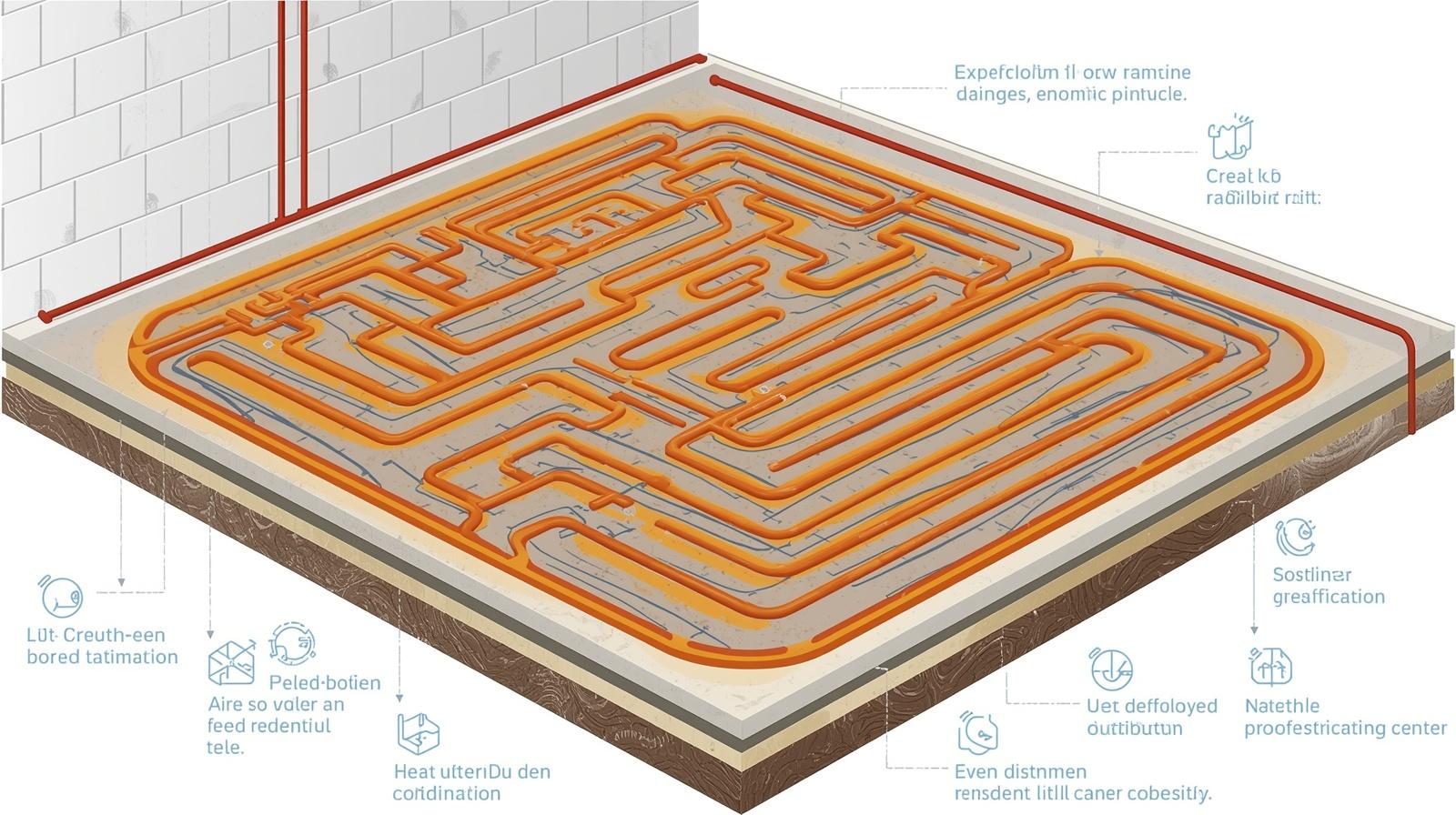
What goes wrong: You keep the existing layout because it seems simpler, even though the current layout doesn’t work well. The toilet is the first thing you see when the door opens. The vanity is too close to the shower entry.
How to avoid it: At minimum, evaluate whether a layout change would meaningfully improve the room before defaulting to the existing footprint. Sometimes moving a toilet 18 inches or swapping the vanity to the opposite wall transforms the function and feel of the space. A virtual consultation is a great way to explore layout options with an experienced eye.
Does Planning Really Prevent Problems?
If there’s a single lesson that runs through all of these mistakes, it’s this: the quality of your bathroom remodel is largely determined before construction begins. The planning, selection, and preparation phases are where good outcomes are built.
Rushing into demolition without a complete plan is the remodeling equivalent of driving without a map. You might get somewhere, but probably not where you intended.
How Do You Build It Right the First Time?
Every one of these mistakes adds cost, time, and frustration to a project. And every one is avoidable with the right contractor and the right process.
If you’re planning a bathroom remodel in the Greater Boston area, start with our online quiz to get an instant estimate and see how our fixed-price, plan-first approach works. Or browse our completed projects to see the results of doing it right.
Cove Bath is a bathroom remodeling contractor based in Wellesley, MA, serving homeowners across Greater Boston. We specialize in fixed-price bathroom remodels completed in 1-2 weeks.