How to Finance a Bathroom Remodel in 2026
A bathroom remodel in the Greater Boston area typically costs $45,000 for a mid-range project. That is a significant investment, and most homeowners do not have that amount sitting in a checking account waiting to be spent. The good news is that there are several proven ways to finance a bathroom renovation, each with its own advantages and trade-offs.
This guide breaks down the most common financing options, what they cost in practice, and how to choose the right one for your situation.
Financing Options at a Glance
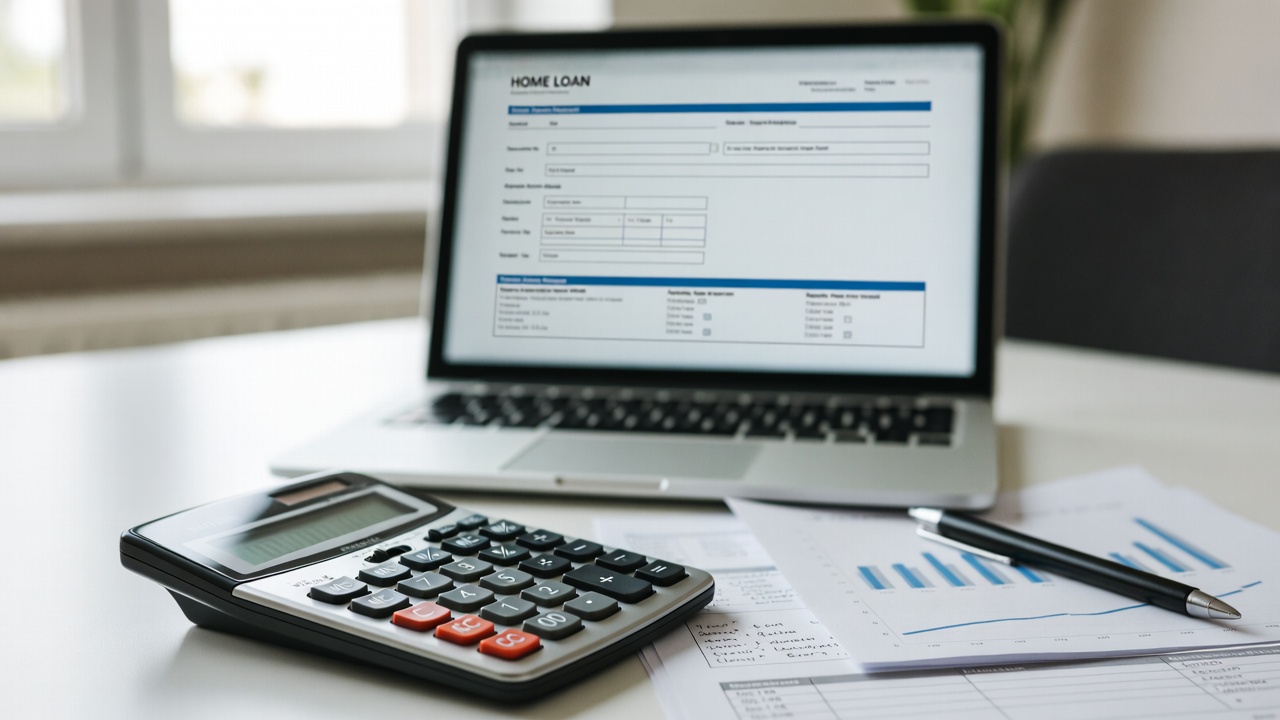
| Option | Typical Rate (2026) | Loan Amount | Best For |
|---|---|---|---|
| HELOC | 7-9% variable | Up to 85% of equity | Homeowners with significant equity |
| Home equity loan | 7-10% fixed | $500K | Homeowners who want a fixed monthly payment |
| Personal loan | 8-15% fixed | $100K | Homeowners with limited equity or who want speed |
| Credit card | 18-28% | Varies | Small projects or short-term bridge (pay off quickly) |
| Cash-out refinance | 6-8% fixed | Based on equity | Homeowners who can also improve their mortgage rate |
| Cash / savings | 0% | N/A | Anyone who can pay without depleting emergency funds |
Option 1: HELOC (Home Equity Line of Credit)
A HELOC lets you borrow against the equity in your home, drawing funds as needed up to an approved limit. It works like a credit card secured by your house.
How it works: Your lender approves a credit line based on your home’s appraised value minus your mortgage balance. You can draw from this line during the “draw period” (typically 5-10 years), paying interest only on what you borrow. After the draw period, you enter repayment.
Typical rates: 7-9% variable in 2026. Rates fluctuate with the prime rate.
Pros:
- You only pay interest on what you actually use
- Flexible — draw exactly the amount you need
- Interest may be tax-deductible if used for home improvement (consult your tax advisor)
- Lower rates than personal loans or credit cards
Cons:
- Variable rate means your payment can increase
- Your home is collateral — default means foreclosure risk
- Requires an appraisal and application process (2-6 weeks)
- Closing costs of 1-3%
Best for: Homeowners with substantial equity who want flexibility. Especially useful if you are planning to remodel more than one bathroom over time.
Massachusetts context: With median home values in Greater Boston suburbs like Wellesley, Newton, and Brookline exceeding $30,000 HELOC draw for a bathroom remodel represents a small fraction of available equity for most homeowners in these communities.
Option 2: Home Equity Loan
A home equity loan is a lump-sum loan secured by your home’s equity, with a fixed interest rate and fixed monthly payments.
How it works: You borrow a specific amount at a fixed rate and repay it over a set term (typically 5-20 years). Unlike a HELOC, you receive the full amount upfront.
Typical rates: 7-10% fixed.
Pros:
- Fixed rate means predictable monthly payments
- Interest may be tax-deductible for home improvements
- Lower rate than unsecured personal loans
Cons:
- Your home is collateral
- Less flexible than a HELOC (you borrow the full amount regardless of actual need)
- Application and closing process takes 2-6 weeks
- Closing costs apply
Best for: Homeowners who want the certainty of a fixed payment and know exactly how much they need to borrow. This pairs naturally with a fixed-price remodel — when you know the project costs exactly $30,000.
Option 3: Personal Loan
An unsecured personal loan does not require your home as collateral. You apply based on your credit score and income.
How it works: You apply through a bank, credit union, or online lender. If approved, you receive a lump sum and repay it with fixed monthly payments over 2-7 years.
Typical rates: 8-15% depending on credit score.
Pros:
- No home collateral required
- Fast approval (often within 1-3 business days)
- No appraisal, no closing costs
- Fixed rate and fixed payments
Cons:
- Higher interest rates than home equity products
- Interest is not tax-deductible
- Lower loan limits than home equity options
Best for: Homeowners who want speed and simplicity, who do not want to use their home as collateral, or who do not have enough equity for a HELOC or home equity loan. Also useful for newer homeowners who have not built substantial equity yet.
Option 4: Credit Card
Using a credit card for a bathroom remodel is generally not recommended as a primary financing method, but it can work in specific situations.
When it makes sense:
- You have a 0% introductory APR card and can pay off the balance before the promotional period ends (typically 12-18 months)
- You are covering a small portion of the project (deposit, accessories, fixtures)
- You are earning significant rewards points on a large purchase
When it does not make sense:
- Carrying a $25,000+ balance at 18-28% interest. The interest charges would add thousands of dollars to your project cost.
Option 5: Cash-Out Refinance
A cash-out refinance replaces your existing mortgage with a new, larger mortgage and gives you the difference in cash.
When it makes sense: If current mortgage rates are lower than your existing rate, you can improve your rate and fund your remodel simultaneously. If rates are higher than your current mortgage, this option is usually not worth it.
Option 6: Cash / Savings
Paying cash avoids all interest charges and application processes. The trade-off is tying up liquid savings.
Rule of thumb: If paying cash would deplete your emergency fund (generally 3-6 months of expenses) or prevent you from meeting other financial obligations, financing makes more sense. A bathroom remodel is an investment in your home, but it should not compromise your financial safety net.
Why Fixed Pricing Makes Financing Easier

Here is the problem with financing a time-and-materials bathroom remodel: you do not know how much to borrow.
A contractor gives you an estimate of $30,000 home equity loan, building in a small cushion. Then the change orders start. Unexpected plumbing behind the wall adds $2,000. The project finishes at $34,000, and you are scrambling to cover the gap.
With a fixed-price model, the number is the number. When Cove Bath quotes a project at $30,000, or $40,000, that is what it costs. No change orders. No surprises. You know exactly how much to borrow, your monthly payment is predictable, and your budget stays intact.
This is especially valuable for homeowners using a home equity loan or personal loan, where the borrowed amount is set at closing. With fixed pricing, there is no risk of needing to go back to the lender for more.
Cove Bath’s Payment Structure
Our payment structure is designed to align with project milestones:
- $5,000 refundable deposit to secure your project date
- Progress payment at the midpoint of construction
- Final payment at project completion and walkthrough
This milestone-based approach means you are never paying for work that has not been completed. And because our projects are finished in one to two weeks, the period between your first and final payment is short.
Next Steps
If you are considering a bathroom remodel and want to understand the investment, start with a clear project price. Take our 2-minute quiz to get an instant estimate based on your bathroom, or schedule a free virtual consultation to discuss your project and budget.
Once you have a firm number, you can shop financing options with confidence — knowing exactly what you need to borrow and what your monthly payment will be.
Cove Bath is a bathroom remodeling company based in Wellesley, MA, serving homeowners across Greater Boston. We offer fixed-price bathroom renovations with virtual consultations and one-to-two-week project timelines.