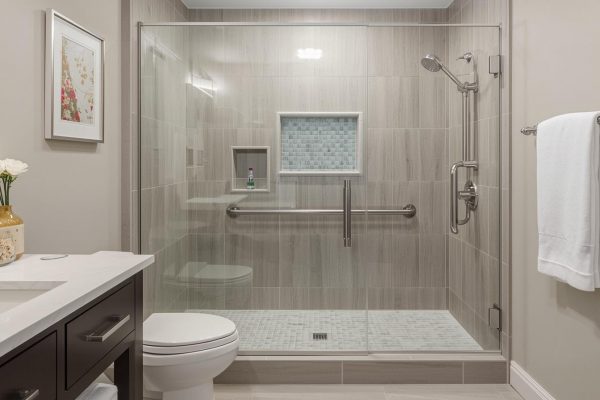
A new tub surround is one of the fastest ways to refresh a tired bathroom in the Greater Boston area. It frames your tub, protects your walls from water, and sets the tone for the whole room. The right choice can make a small bathroom feel calm and clean. In this guide, we walk you through your options, costs to consider, and design ideas that work well in local homes.
Whether you live in a Victorian in Newton or a colonial in Wellesley, your bathroom deals with real New England moisture. Steamy showers, cold winters, and older plumbing all add up. A well-built surround stands up to that daily wear and keeps mold at bay.
Frequently Asked Questions
How long does a tub surround last?
A well-installed tile or stone surround can last 20 years or more. Acrylic panels often last around 10 to 15 years. Good sealing and regular cleaning extend the life of any material.
Can you put a new surround over old tile?
We usually advise against it. Old tile can hide water damage or mold behind the wall. Removing it lets us inspect and waterproof the surface properly.
Is tile or a panel system better?
Both work well when installed right. Tile offers more design freedom and a classic look. Panels are faster to install and have fewer grout lines to clean.
Do I need a permit for a tub surround in Massachusetts?
Simple surround swaps may not need one, but plumbing changes often do. Rules vary by town across the Greater Boston area. We handle the permitting details so you stay compliant.
How do I keep my surround looking new?
Wipe it down after showers to stop soap buildup. Reseal grout or stone as recommended for your material. Run a fan or crack a window to cut down on trapped moisture.
What Is a Tub Surround, Exactly?
A tub surround is the wall covering around three sides of your bathtub. It seals and finishes the space where the tub meets the wall. Without it, water would seep behind the tile and rot the framing.
Most surrounds cover the wet zone near the faucet and showerhead. Some rise all the way to the ceiling for a bold look. Others stop just above the tallest showerhead spray.
You can think of it as both function and style. It shields your walls, and it gives you a large surface to make a design statement.
What Popular Tub Surround Materials Work Best for Boston-Area Homes?
Every material has trade-offs in cost, upkeep, and looks. Here are the options we see most often in local remodels.
Ceramic and Porcelain Tile
Tile is the classic pick, and for good reason. It resists water, comes in endless colors, and lasts for decades. Subway tile suits older Boston homes, while large-format tile feels fresh and modern.
The main drawback is grout. Grout lines need sealing and can stain over time. Larger tiles mean fewer grout lines and easier cleaning.
Solid Surface Panels
Solid surface panels come in big, seamless sheets. They have very few seams, so there is less grout to scrub. Many homeowners love how easy they are to wipe down.
These panels mimic stone and stone-look patterns. They handle New England humidity well and install faster than tile.
Acrylic and Fiberglass
Acrylic surrounds are lightweight and budget-friendly. They snap into place and resist mold. This makes them a smart choice for rentals or quick updates.
They may not feel as high-end as tile or stone. Still, modern acrylic looks better than it used to and cleans up in seconds.
Natural Stone
Marble and granite bring a luxury feel to any bathroom. They shine in higher-end homes around Wellesley, Weston, and Brookline. Stone needs regular sealing to fight water stains.
Expect a higher price and more upkeep. But few materials match the timeless beauty of real stone.
How Should You Choose the Right Tub Surround Style?
Once you pick a material, style comes next. Your tub surround should match the rest of your home. Here are ideas that work in local bathrooms.
- Classic white subway tile: Clean, bright, and perfect for period homes.
- Vertical tile layout: Draws the eye up and makes low ceilings feel taller.
- Stone-look large panels: A calm, spa-like feel with fewer seams.
- Bold accent strips: A row of colored or textured tile adds interest.
- Floor-to-ceiling tile: A dramatic, modern statement in bigger baths.
Think about light, too. Many Boston bathrooms are small with just one window. Lighter colors bounce light and open up the room. Darker tones add drama but suit larger spaces better.
What Affects the Cost of a Tub Surround?
Cost depends on several factors. We never quote a flat number online, since every bathroom differs. But these details shape your final price.
- Material choice: Acrylic costs less than natural stone.
- Surround size: Taller and wider coverage means more material.
- Wall condition: Water damage behind old tile adds repair work.
- Design details: Niches, trim, and patterns take more time.
- Plumbing changes: Moving a faucet raises labor cost.
At Cove Bath, we use fixed pricing so you know the number before we start. That removes the guesswork many homeowners dread. You can learn more about our approach on our how it works page.
How Does New England Moisture Affect Your Tub Surround?
Our climate puts real stress on bathrooms. Winters are dry indoors, then hot showers add heavy steam. That swing can crack poor grout and loosen cheap panels.
A quality tub surround starts with proper waterproofing behind the wall. We use moisture-resistant backer board and sealed seams. This keeps water out of your framing where mold loves to grow.
Older homes in towns like Natick, Needham, and Framingham often hide past leaks. When we remove an old surround, we check for soft spots and rot. Fixing those issues now saves you costly repairs later.
Should You Replace the Tub Too?
Sometimes it makes sense to update both at once. If your tub is chipped, stained, or dated, a fresh surround alone may look mismatched. Replacing them together gives a clean, unified result.
Other times the tub is fine and only the walls need help. In that case, a new surround is a smart, focused update. We help you decide based on the true condition of each piece.
You can explore full options on our bathroom remodeling page. We handle everything from a simple surround swap to a full redesign.
What Smart Add-Ons Are Worth Considering?
While the walls are open, a few upgrades are easy to add. They cost less now than after the job is done.
- Built-in niche: A recessed shelf for bottles keeps the tub edge clear.
- Grab bar backing: Solid blocking now makes future bars safe and easy.
- New fixtures: A fresh faucet and showerhead complete the look.
- Better lighting: Moisture-rated lights brighten the wet zone.
These small touches boost daily comfort. They also raise your home’s appeal if you sell down the road.
How Long Does a Tub Surround Project Take?
Timeline depends on the scope. A straightforward surround replacement moves quickly. A full tile install with custom details takes longer.
Tile needs time to set and cure between steps. Panel systems install faster since they arrive ready to fit. We give you a clear schedule up front so you can plan around it.
Our streamlined process keeps projects on track. We coordinate materials and crews so your bathroom is not torn up for weeks on end.
Why Work With a Local Team?
Local knowledge matters more than many people expect. Permit rules, older plumbing, and tight urban bathrooms all shape the job. A team that knows Greater Boston homes plans for these quirks from day one.
We help with the details that trip up DIY projects. That includes proper waterproofing, code-friendly work, and clean, lasting seals. The result is a tub surround built to handle years of daily use.
Ready to Update Your Tub Surround?
A fresh tub surround can transform your bathroom without a full gut renovation. With the right material and a careful install, you get a space that looks great and lasts. Cove Bath makes the process simple with fixed pricing, curated selections, and quick timelines.
Let’s talk about your project and find the best fit for your home. Contact us today to request your free consultation and quote.