Does a bathroom remodel add value? For most Greater Boston homeowners, the answer is yes. A well-planned bathroom update can raise your home’s appeal, help it sell faster, and make daily life more comfortable. But not every dollar you spend returns the same reward. This guide breaks down the real numbers, the upgrades that pay off, and the ones that don’t.
If you’re on the fence about investing in your bathroom, keep reading. We’ll look at national return-on-investment data, add local context for the Boston market, and help you decide the right time to remodel.
Frequently Asked Questions
Does a bathroom remodel add value if I plan to stay in my home?
Yes. You gain daily comfort and a more functional space now, and you still capture value when you eventually sell. Many homeowners find the everyday enjoyment is worth it on its own.
Which single upgrade adds the most value?
It depends on your bathroom, but a modern walk-in shower is often the strongest single improvement. A double vanity in a primary bathroom is a close second in many Boston-area homes.
Should I remove my bathtub to add a bigger shower?
Only if you have another tub in the house. Families with young children still want at least one bathtub, so keeping one protects your resale appeal.
Do I need a permit for a bathroom remodel near Boston?
Usually yes for plumbing or electrical changes. Requirements vary by town, so check with your local building department. A professional remodeler handles permits for you.
How long does a bathroom remodel take?
Timelines vary with scope, but a streamlined remodel with clear planning moves quickly. A defined process and fixed pricing help keep the project on schedule.
Does a Bathroom Remodel Add Value? What Does the Data Show?
Let’s start with the core question. Does a bathroom remodel add value in a measurable way? National remodeling reports consistently list bathroom projects among the better returns in home improvement.
Mid-range bathroom remodels typically recoup a large share of their cost at resale. The exact figure shifts year to year, but bathrooms tend to rank near the top for return on investment. Kitchens and bathrooms are the two rooms buyers judge most closely.
Here’s why bathrooms perform so well:
- They are small rooms, so upgrades cost less than a full kitchen.
- Buyers notice fresh, clean, updated spaces right away.
- A dated or worn bathroom is a common reason buyers walk away.
- Modern fixtures signal that the whole home has been cared for.
Return on investment is only part of the story, though. Value is also about how the space serves you while you live there. We’ll cover both angles below.
Why Do Greater Boston Home Values Boost Your Return?
National averages are a useful starting point. Local context matters more. Greater Boston has some of the highest home values in the country, and that changes the math in your favor.
When home prices are high, buyers expect a certain level of finish. A tired bathroom stands out more in a $900,000 Wellesley colonial than in a lower-priced market. In competitive towns like Newton, Brookline, Needham, and Weston, updated bathrooms can be the difference between a quick sale and weeks on the market.
Several local factors work together:
- Strong demand. Buyers compete for move-in-ready homes across the region.
- Older housing stock. Many homes have original or decades-old bathrooms that feel dated.
- High price per square foot. Improvements return more where values are elevated.
- New England weather. Comfort features like heated floors carry real appeal in cold months.
In short, the same remodel often returns more here than the national average suggests. That’s a key reason Boston-area homeowners keep investing in their bathrooms.
Which Upgrades Add the Most Value?
Not all improvements are equal. If you want the strongest return, focus your budget on features buyers actually want. These upgrades tend to add the most value in the Greater Boston market.
Walk-In Shower
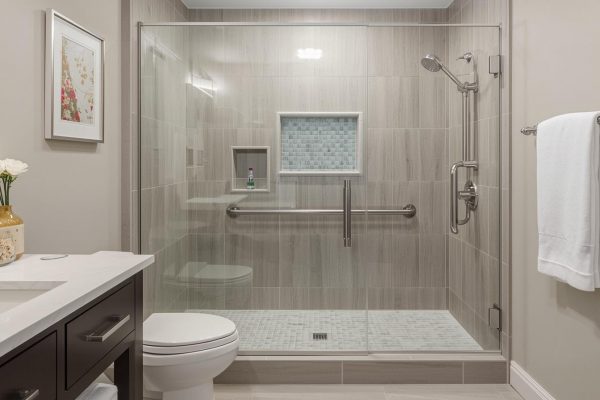
A clean, spacious walk-in shower is one of the most requested features today. Glass panels, a rainfall head, and a built-in niche feel modern and open. In homes with more than one bathroom, replacing a cramped tub-shower combo with a walk-in shower often pays off.
One tip: keep at least one bathtub somewhere in the house. Families with young children still look for a tub, so don’t remove your only one.
Double Vanity
A double vanity is a top selling point in a primary bathroom. Two sinks reduce morning traffic jams and add storage. Buyers see it as a practical upgrade, not a luxury. If your layout allows the width, it’s usually worth it.
Heated Floors
Radiant heated floors are a smart fit for New England. Cold tile on a January morning is a common complaint, and heated floors solve it. This feature adds comfort you’ll enjoy every winter, and it gives your listing a memorable detail buyers remember.
Quality Fixtures and Lighting
Well-chosen fixtures make a big impact for a modest cost. Think a clean quartz countertop, a modern faucet, good task lighting, and a quiet exhaust fan. Fresh, coordinated finishes read as high quality without a huge price tag.
Better Storage
Smart storage always adds value. A vanity with drawers, a medicine cabinet, or a recessed shower niche keeps the space tidy. Buyers respond well to bathrooms that feel organized and functional.
Which Upgrades Don’t Add Much Value?
Some choices feel exciting but return less at resale. Knowing where to hold back protects your budget.
- Over-customization. Bold tile, unusual colors, or highly personal styling can turn off buyers. Neutral finishes appeal to more people.
- Ultra-luxury fixtures in a modest home. A high-end soaking tub in a starter home rarely returns its cost. Match the finish level to the house.
- Removing your only bathtub. As noted, this can shrink your buyer pool.
- Trendy features that date quickly. Very trendy patterns can look old fast. Classic choices age better.
- Skipping the basics. Spending on flashy extras while ignoring poor ventilation or plumbing is a mistake buyers notice.
The goal is balance. Invest in quality where it counts, and keep the overall look broadly appealing. A curated, timeless design almost always returns more than a highly personal one.
When Should You Remodel — Before Selling or to Enjoy It Yourself?
This is one of the most common questions we hear. Should you remodel right before selling, or do it now and enjoy the space? Both paths make sense, depending on your goals.
Remodeling Before You Sell
If a sale is close, a focused bathroom refresh can help. In the Boston market, an updated bathroom often speeds up the sale and supports a stronger offer. Keep the scope smart and the finishes neutral so the space appeals to the widest audience.
Avoid over-investing right before listing. You want improvements that photograph well and read as move-in ready, not a full custom build.
Remodeling to Enjoy Now
If you plan to stay for years, remodel for yourself. You’ll enjoy the comfort every day, and you still capture value when you eventually sell. Heated floors, a roomy shower, and better storage improve your daily routine right away.
There’s a hidden benefit here too. When you remodel to live in the home, you make choices you love. Then you get years of use before the resale value arrives as a bonus.
Our Take
For most homeowners, the best time to remodel is when the space no longer works for you. You gain comfort now and value later. Waiting until the last minute before a sale often means rushed decisions and less enjoyment.
How Can You Protect Your Investment?
A remodel only adds value when it’s done well. Poor workmanship, hidden water damage, or unpermitted work can hurt your resale rather than help it. A few practices protect your return.
- Pull the right permits. Most Greater Boston towns require permits for plumbing and electrical changes. Permitted, inspected work reassures future buyers.
- Address moisture properly. Good waterproofing and ventilation prevent mold in our humid summers and cold winters.
- Choose durable materials. Quality tile, surfaces, and fixtures hold up and keep looking good.
- Work with an experienced remodeler. A streamlined process with fixed pricing keeps the project on track.
At Cove Bath, we focus on exactly this kind of remodel. Our fixed pricing, curated design selections, and quick timelines are built for busy Greater Boston homeowners who want a smooth, high-quality result. You can learn more about our approach on our how it works page.
Curious about budget? Our bathroom remodeling service page and cost guide walk through what different projects involve, so you can plan with confidence.
How Does It All Come Together?
So, does a bathroom remodel add value in the Greater Boston area? For most homeowners, yes, and often more than the national average thanks to strong local home values. The keys are choosing the right upgrades, avoiding over-customization, and doing the work well.
Focus on features buyers love: a walk-in shower, a double vanity, heated floors, and quality finishes. Skip the overly personal or ultra-luxury touches that don’t fit the home. Whether you remodel to sell or to enjoy, a smart bathroom project rewards you.
Ready to Add Value to Your Home?
A thoughtful bathroom remodel is one of the smartest investments you can make in the Greater Boston market. If you’re ready to explore your options, Cove Bath can help you plan a space you’ll love now and value later.
Request your free consultation today, and let’s talk about the right upgrades for your home and budget.