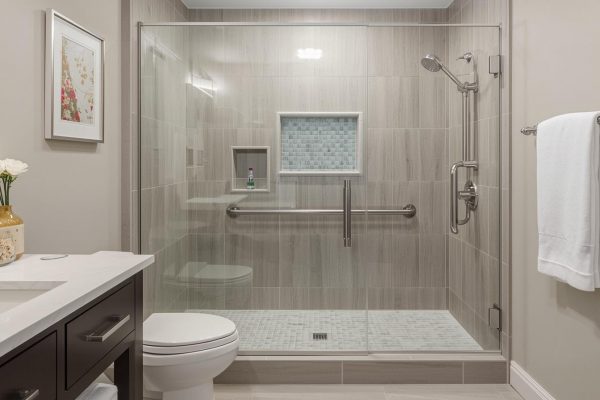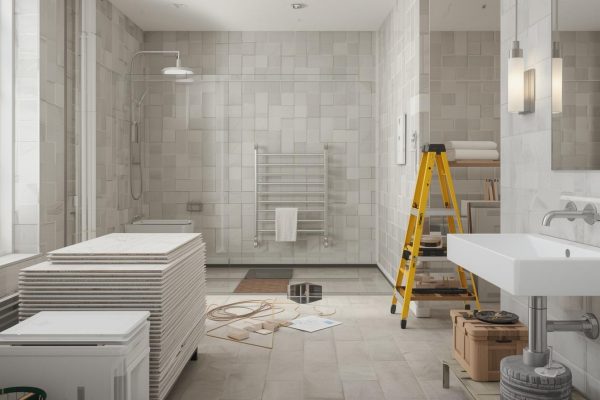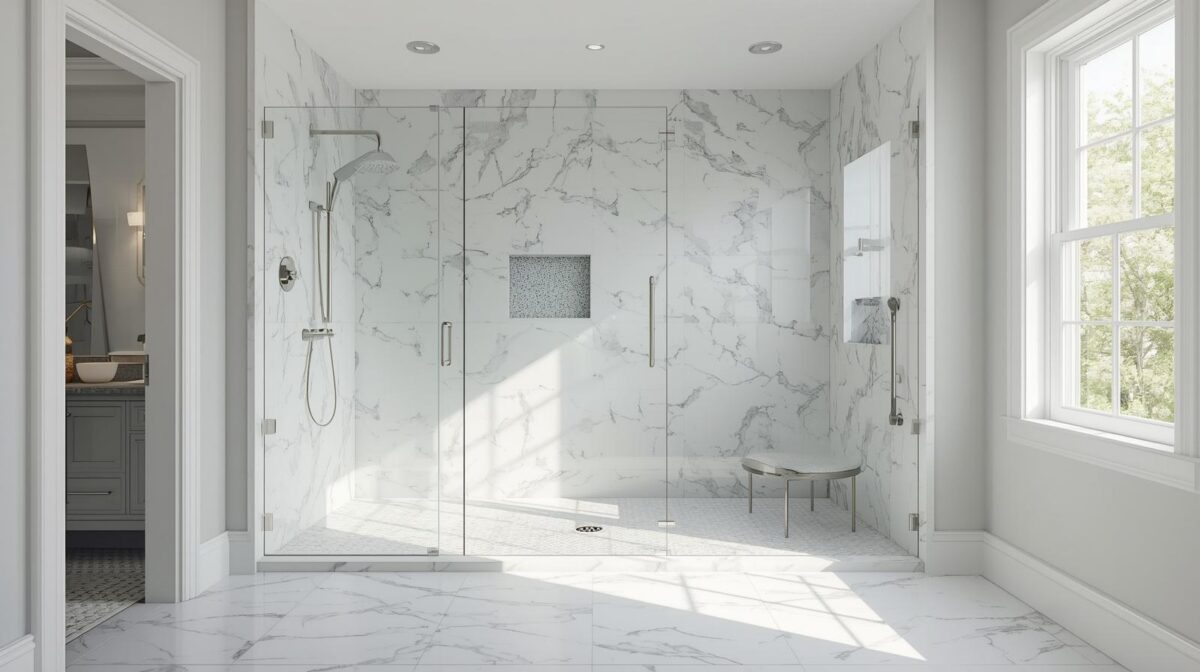
Walk-in shower conversions are one of the most requested bathroom remodeling projects in Greater Boston, with costs ranging from $15,000 for a basic project to $40,000 or more for high-end finishes. They open up floor space, modernize the look of a bathroom, and can even make your home safer and more accessible as your needs change.
But before you start picking out tile samples, you probably have one big question: what is this actually going to cost me?
This guide breaks down walk-in shower conversion costs, realistic timelines, popular design styles, and the key decisions you will need to make along the way.
Frequently Asked Questions
How much does a walk-in shower conversion cost in Greater Boston?
Labor costs in the Boston metro area tend to run 15 to 25 percent above national averages. A conversion that might cost $15,000 to $18,000 here for an equivalent scope. Cove Bath’s fixed-price packages — $30,000, and $40,000 — give you a clear, upfront number that includes materials, labor, and project management.
How long does a walk-in shower conversion take?
Most walk-in shower conversions take one to two weeks of active construction, assuming materials are ordered and on-site before work begins. The design and selection phase beforehand is where projects often stall — waiting on tile samples, backordered fixtures, or contractor availability.
Do I need a permit for a tub-to-shower conversion in Massachusetts?
In most Massachusetts municipalities, a tub-to-shower conversion requires a plumbing permit at minimum. A reputable contractor handles this as part of the project. If someone tells you permits are not needed, that is a red flag.
Will removing my only bathtub affect resale value?
If your home has only one bathtub, removing it could affect resale value, particularly in family-oriented neighborhoods. A common recommendation is to keep at least one tub in the house. If you have a second bathroom with a tub, converting the other to a walk-in shower is a straightforward decision.
What is a curbless shower and is it worth it?
A curbless (zero-threshold) shower has a floor flush with the bathroom floor, creating a seamless transition. It is the gold standard for accessibility and delivers a clean, modern, spa-like aesthetic. It requires careful planning of the floor slope and drain placement, and sometimes a linear drain rather than a center drain.
What Does a Walk-In Shower Conversion Involve?
A walk-in shower conversion typically means removing an existing bathtub — or a small, outdated shower stall — and replacing it with a larger, open shower. The scope of work usually includes:
- Demolition of the existing tub or stall, surrounding tile, and sometimes portions of the subfloor
- Plumbing modifications to reposition the drain and supply lines for the new shower layout
- Waterproofing the shower pan and walls, which is arguably the most critical step in the entire project
- Installation of new wall materials such as ceramic tile, porcelain, or solid-surface panels
- A new glass enclosure or panel, ranging from a simple fixed panel to a full frameless door
- Fixtures and hardware including the showerhead, valve trim, niches, shelves, and grab bars
- Finishing work such as trim, paint, and any necessary updates to the bathroom flooring where the tub footprint used to be
In a standard tub-to-shower conversion, you are working within the existing bathroom footprint. The project does not usually require moving walls or rerouting major drain lines, which keeps costs more manageable than a full gut renovation.
What Do Walk-In Shower Conversion Costs Look Like in 2026?
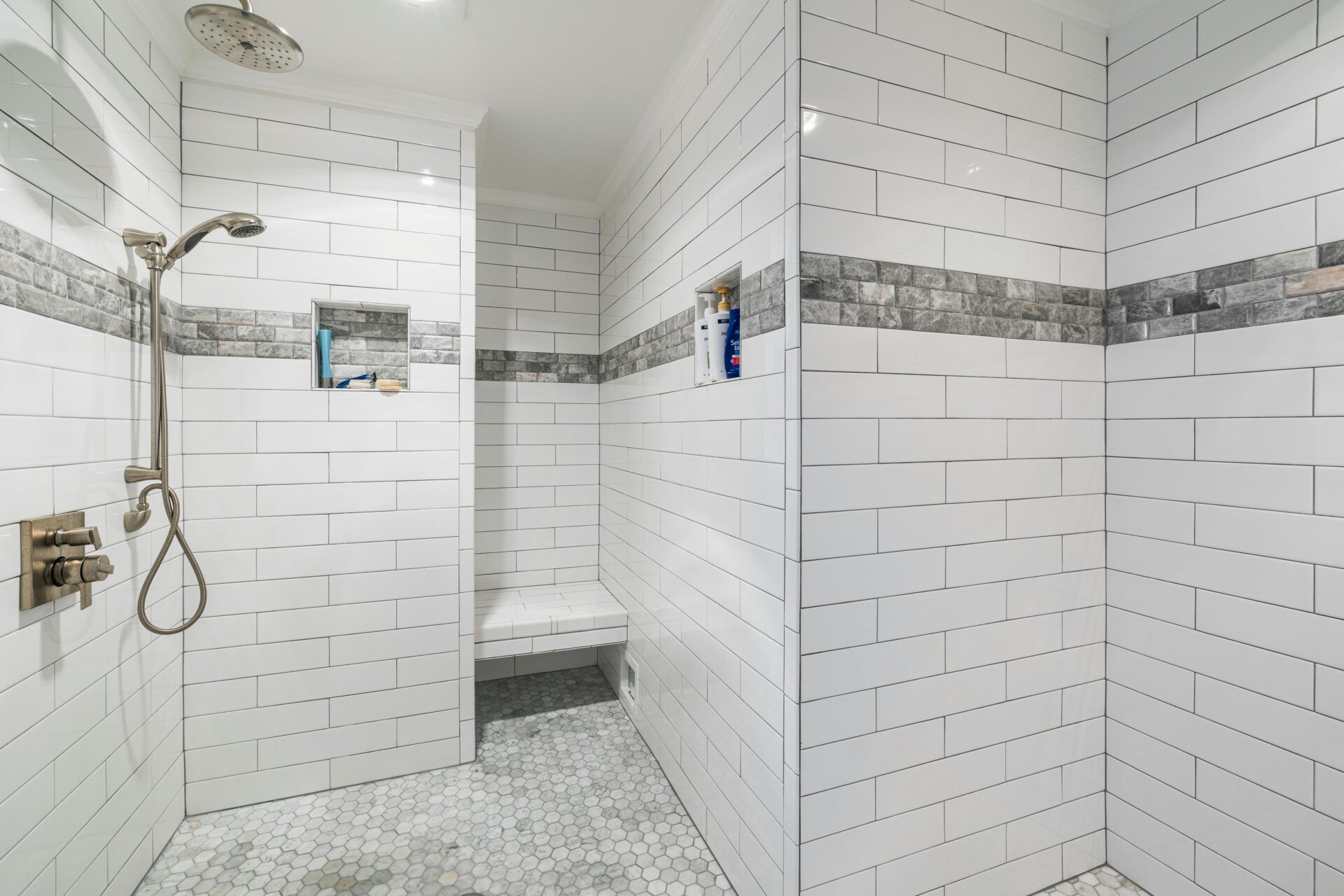
Walk-in shower conversion costs vary widely depending on materials, labor market, and the scope of the project. Here is what you can generally expect:
National Averages
According to recent data from HomeAdvisor, Angi, and Remodeling Magazine, a tub-to-shower conversion typically falls in the 15,000 range for a basic project. Mid-range conversions with custom tile work and frameless glass run 25,000, while high-end projects with premium materials, multiple showerheads, and luxury finishes can reach 40,000 or more.
What Drives the Price Up
- Tile selection. Large-format porcelain at 30 per square foot.
- Glass enclosures. A simple fixed panel might cost 800 installed, while a custom frameless hinged door can run 3,000.
- Fixture quality. A basic single-function showerhead and valve versus a thermostatic system with a rain head and handheld adds 2,000 or more.
- Structural surprises. Water damage, outdated plumbing, or subfloor rot discovered during demolition can add unplanned costs.
Greater Boston Pricing
Labor costs in the Boston metro area tend to run 15 to 25 percent above national averages. That is simply the reality of remodeling in this market. A conversion that might cost 15,000 to $18,000 here for an equivalent scope.
This is one reason we built Cove Bath’s fixed-price packages. Instead of waiting weeks for a contractor to send you a quote that might change once demo starts, our three tiers — 30,000, and $40,000 — give you a clear, upfront number that includes materials, labor, and project management. No surprise line items. No awkward change-order conversations mid-project.
Not sure which tier fits your bathroom? Take our online quiz to get an instant estimate based on your space and preferences.
How Long Does a Walk-In Shower Conversion Take?
One of the biggest concerns homeowners have, right after cost, is how long they will be without a functioning bathroom. Here is a realistic breakdown:
Typical Project Phases
| Phase | Duration |
|---|---|
| Design and material selection | 1–3 weeks (before construction starts) |
| Demolition | 1 day |
| Plumbing rough-in | 1 day |
| Waterproofing and shower pan | 1–2 days |
| Tile installation and grouting | 3–5 days |
| Glass enclosure installation | 1 day |
| Fixtures, hardware, and finishing | 1–2 days |
Total Construction Time
Most walk-in shower conversions take one to two weeks of active construction, assuming materials are ordered and on-site before work begins. The design and selection phase beforehand is where projects often stall — waiting on tile samples, backordered fixtures, or contractor availability.
At Cove Bath, we streamline that front end with virtual consultations and a curated material selection process so construction can start on schedule and wrap within that one-to-two-week window.
What Are the Most Popular Walk-In Shower Styles?
The design possibilities are broad, but most walk-in shower conversions fall into a few popular categories:
Curbless (Zero-Threshold) Showers
The shower floor is flush with the bathroom floor, creating a seamless transition. This is the gold standard for accessibility and also delivers a clean, modern, spa-like aesthetic. It requires careful planning of the floor slope and drain placement, and sometimes a linear drain rather than a center drain.
Fully Tiled Enclosures
Floor-to-ceiling tile on the walls and a tiled shower floor give you the most design flexibility. Subway tile, large-format porcelain, natural stone, patterned cement tile for an accent wall — the options are nearly unlimited. This is the most popular choice we see in the Wellesley and Greater Boston market.
Glass-Enclosed Walk-Ins
A frameless glass enclosure gives the shower a light, open feel and visually expands the bathroom. Fixed glass panels (also called splash panels) are a more budget-friendly option that still provides a modern look while keeping water contained.
Solid-Surface Panel Systems
Solid-surface wall panels such as Corian or cultured marble offer a grout-free alternative that is easier to maintain. They are a practical choice for homeowners who want a clean look without the upkeep of tile grout lines.
What Accessibility Benefits Are Worth Considering?
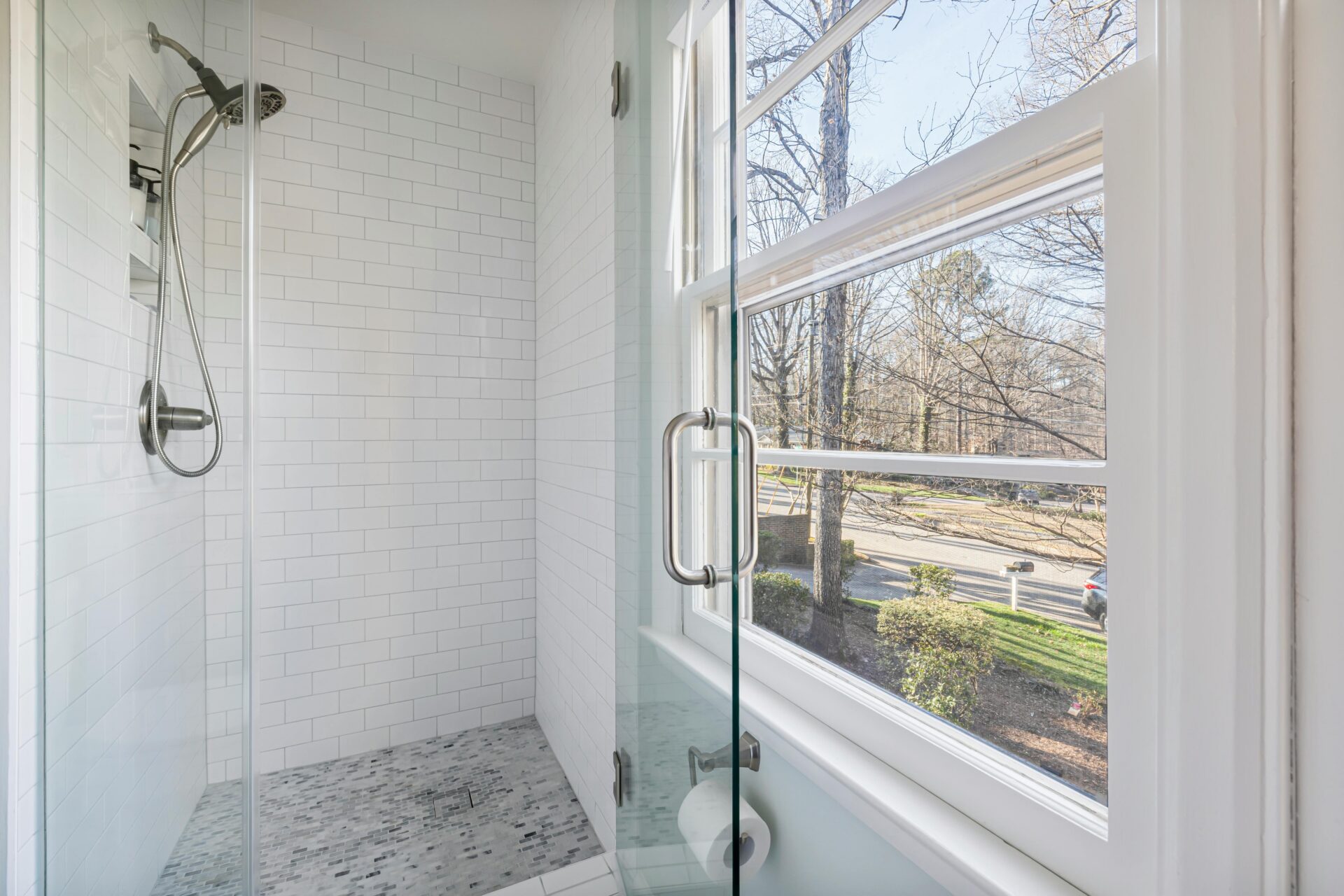
Even if accessibility is not a pressing concern today, a walk-in shower conversion is one of the smartest long-term investments you can make in your home. Consider the benefits:
- Eliminating the tub step-over reduces the risk of slips and falls, the leading cause of bathroom injuries.
- A curbless design accommodates mobility aids, from shower chairs to wheelchairs, without requiring a future renovation.
- Grab bars and bench seating can be integrated into the design from the start, looking intentional rather than like an afterthought.
- Handheld showerheads on slide bars make the shower usable for people of all heights and mobility levels.
These features also matter when it comes time to sell. Buyers increasingly view accessible bathrooms as a premium feature, not a compromise.
What Should You Consider Before You Convert?
Before committing to a walk-in shower conversion, think through these factors:
Will You Miss the Tub?
If your home has only one bathtub, removing it could affect resale value, particularly in family-oriented neighborhoods. A common recommendation is to keep at least one tub in the house. If you have a second bathroom with a tub, converting the other to a walk-in shower is a straightforward decision.
Ventilation and Waterproofing
Walk-in showers, especially curbless designs, produce more ambient moisture than a tub-shower combo with a curtain. Make sure your bathroom has adequate ventilation — ideally a fan rated for at least 50 CFM, running on a timer or humidity sensor.
Your Home’s Plumbing
Older homes in communities like Wellesley, Needham, and Newton sometimes have cast-iron drain lines or galvanized supply pipes. Your contractor should assess the condition of the existing plumbing during the planning phase so there are no surprises once the walls are open.
Permits and Code
In most Massachusetts municipalities, a tub-to-shower conversion requires a plumbing permit at minimum. A reputable contractor handles this as part of the project. If someone tells you permits are not needed, that is a red flag.
What Does a Walk-In Shower Conversion Look Like Before and After?
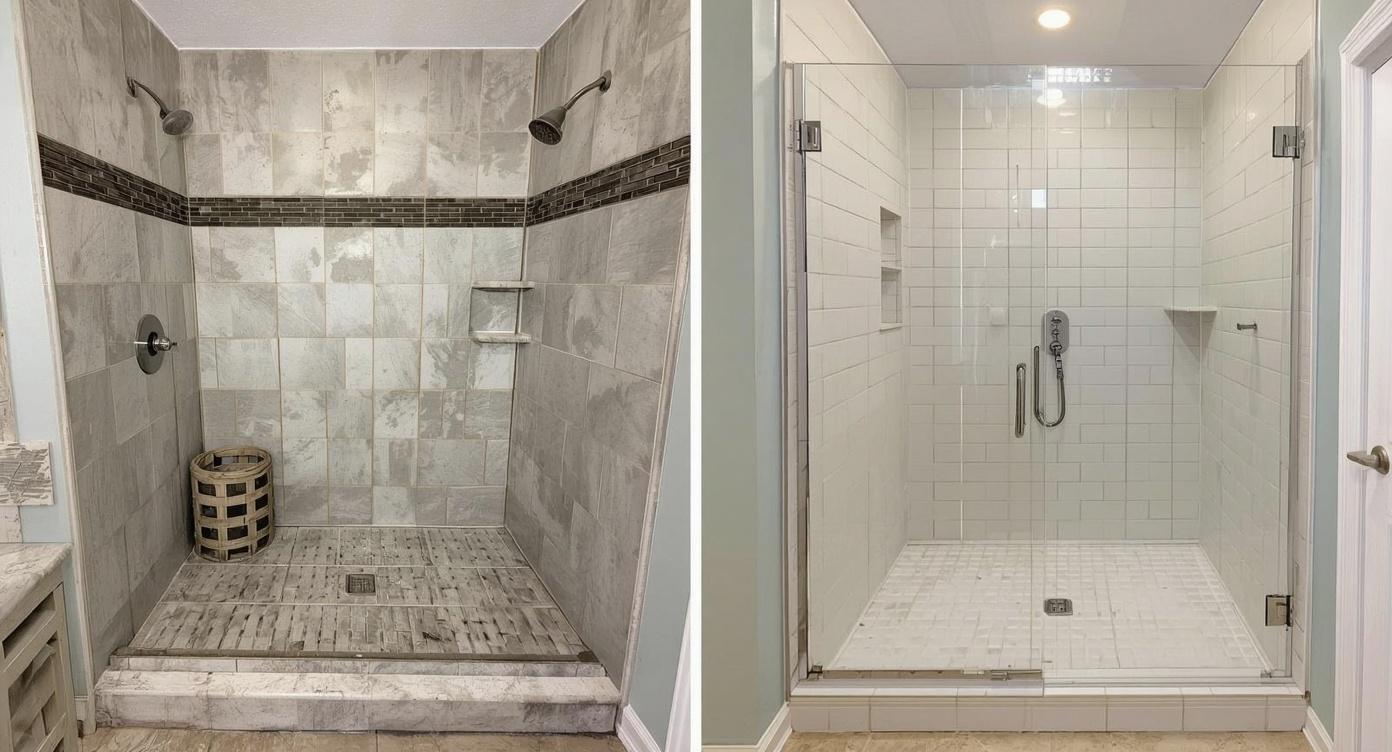
Before: A 1990s-era alcove bathtub with a plastic surround, a basic showerhead, and a cloth curtain. The tub takes up five feet of wall space, and the rest of the bathroom feels cramped. The grout along the base is discolored, and the caulk is peeling.
After: A spacious, fully tiled walk-in shower fills the same footprint. Floor-to-ceiling white porcelain tile with a matte finish lines the walls, and a charcoal accent strip runs horizontally at eye level. A frameless glass panel keeps the water in without visually closing off the space. A recessed niche holds shampoo and soap. A rain showerhead is mounted overhead, and a handheld on a slide bar is within easy reach. The floor is a subtle mosaic with a linear drain along the back wall. The bathroom feels twice as large.
That is the kind of transformation a well-executed walk-in shower conversion delivers.
Ready to See What Your Conversion Would Cost?
Every bathroom is different, which is why we built an online quiz that asks a few quick questions about your space and gives you an instant estimate based on Cove Bath’s fixed-price tiers. No sales calls. No waiting for a quote. Just a clear starting point.
If you are in Wellesley or anywhere in Greater Boston and have been thinking about replacing that old tub with a walk-in shower, start with the quiz or explore our shower installation services to see what is included at each price point.
Cove Bath is a bathroom remodeling contractor based in Wellesley, MA, serving homeowners across Greater Boston. We offer fixed-price bathroom renovations with virtual consultations and one-to-two-week project timelines.