Hiring a bathroom remodeling contractor is one of those decisions where the stakes are higher than they appear. A good contractor delivers a finished bathroom on time and on budget. A bad one leaves you with water damage, half-finished tile work, and a project that drags on for months.
Massachusetts has specific licensing and consumer protection laws that work in your favor — if you know what to look for. This guide covers the practical steps for finding, vetting, and hiring a contractor you can trust.
Frequently Asked Questions
Does a bathroom remodeling contractor in Massachusetts need a license?
Yes. Massachusetts requires any contractor performing home improvement work over $1,000 to hold a valid Home Improvement Contractor (HIC) registration under M.G.L. Chapter 142A. You can verify a contractor’s registration on the Massachusetts Division of Professional Licensure website.
How much can a contractor ask for as a deposit in Massachusetts?
Massachusetts law limits the initial deposit a home improvement contractor can collect to one-third of the total contract price. Be cautious of any contractor who asks for more upfront, as demanding full payment upfront violates Massachusetts law and is the most common precursor to contractor fraud.
What should a bathroom remodeling contract include?
Massachusetts law requires a written contract for home improvement work exceeding $1,000. The contract must include the contractor’s HIC registration number, a detailed description of the work to be performed, the total price and payment schedule, start and estimated completion dates, and a notice of your right to cancel within three business days.
What insurance should a bathroom remodeling contractor carry?
A contractor should carry at minimum general liability insurance, which covers damage to your property during the project, and workers’ compensation insurance, which covers injuries to the contractor’s employees while working on your property. Ask for a Certificate of Insurance (COI) and verify that the policy is current.
What are red flags when hiring a bathroom remodeling contractor?
Key red flags include no HIC registration, no written contract, demanding full payment upfront, no physical business address, pressure to start immediately, no references or portfolio, and unusually low quotes that are 40% or more below other bids.
How to Choose a Bathroom Remodeling Contractor in Massachusetts: Step 1

Verify the Massachusetts Home Improvement Contractor (HIC) License
Massachusetts requires any contractor performing home improvement work over $1,000 to hold a valid Home Improvement Contractor (HIC) registration. This is not optional. It is state law under M.G.L. Chapter 142A.
What the HIC License Means
- The contractor has registered with the Massachusetts Office of Consumer Affairs and Business Regulation.
- They have a current registration number that you can verify online.
- They are required to provide a written contract for any job over $1,000.
- They must participate in the state’s Guaranty Fund, which provides limited consumer protection if a registered contractor fails to complete work.
How to Check
Visit the Massachusetts Division of Professional Licensure website and search by the contractor’s name or registration number. If they are not listed, do not hire them. An unregistered contractor cannot legally enter into a home improvement contract in Massachusetts, and you lose access to the state’s consumer protections.
Beyond HIC: Plumbing and Electrical Licenses

Bathroom remodels frequently involve plumbing and electrical work. In Massachusetts, plumbing must be performed by a licensed plumber, and electrical work must be performed by a licensed electrician. Your general contractor may subcontract this work, but the subcontractors must hold their own valid licenses.
Ask your contractor directly: “Who handles the plumbing and electrical, and are they licensed in Massachusetts?” A reputable contractor will answer without hesitation.
Step 2: How Do You Confirm Insurance Coverage?
A contractor should carry two types of insurance at minimum:
- General liability insurance. This covers damage to your property during the project. If a contractor drops a tile saw through your floor, their liability policy pays for the repair — not your homeowner’s insurance.
- Workers’ compensation insurance. This covers injuries to the contractor’s employees while working on your property. Without it, you could be liable if a worker is hurt in your home.
Ask for a Certificate of Insurance (COI) and verify that the policy is current. Any contractor who hesitates or cannot produce a COI should be removed from your list.
Step 3: What Are the Right Questions to Ask?
Before you sign anything, have a direct conversation with the contractor. Here are the questions that matter most:
About the Project
- What is included in the price? Get specifics. Does the quote cover demolition, disposal, plumbing, electrical, tile, fixtures, and paint? What is excluded?
- What is the timeline from start to completion? Get a specific number of working days, not a vague “a few weeks.”
- Who will be on-site daily? Will the contractor personally oversee the work, or will it be handed off to a crew you have never met?
- How do you handle changes or unexpected issues? Older Massachusetts homes frequently reveal surprises behind walls — outdated plumbing, water damage, or inadequate framing. How does the contractor handle change orders, and how are additional costs communicated?
About the Business
- How long have you been in business? Longevity is not everything, but contractors who have operated for several years have a track record you can verify.
- Can you provide references from recent local projects? Ask for three references and actually call them. Ask about communication, timeline accuracy, and whether the final price matched the quote.
- Do you use subcontractors? If so, are they licensed and insured?
Step 4: What Should You Understand About the Contract?
Massachusetts law requires a written contract for home improvement work exceeding $1,000. The contract must include:
- The contractor’s HIC registration number
- A detailed description of the work to be performed
- The total price and payment schedule
- Start and estimated completion dates
- A notice of your right to cancel within three business days
Read the contract. If the scope of work is vague — “remodel bathroom as discussed” — push back. You want specifics: fixtures by name, tile type and quantity, what happens if the project goes over schedule.
Payment Schedules
Massachusetts law limits the initial deposit a home improvement contractor can collect to one-third of the total contract price. Be cautious of any contractor who asks for more upfront. A reasonable payment structure ties payments to project milestones — for example, one-third at signing, one-third at the midpoint, and the final third upon completion and your satisfaction.
Step 5: How Should You Compare Quotes the Right Way?
Get at least three quotes. But do not just compare the bottom-line number. Compare what is included.
What Makes Quotes Hard to Compare
One contractor quotes 28,000. The cheaper quote might exclude tile installation, plumbing relocation, or fixture costs. The more expensive quote might be all-inclusive. You cannot compare them without an itemized breakdown.
What to Look For
- Fixed pricing vs. estimates. An estimate is a guess. A fixed price is a commitment. Contractors who offer fixed pricing take on the risk of cost overruns themselves, which means they have an incentive to plan carefully upfront. See our fixed pricing.
- Allowances. Some contractors include “allowances” for fixtures and materials — a budget within the budget. If you exceed the allowance, you pay the difference. Ask what the allowances cover and whether they are realistic for the finishes you want.
- Exclusions. Look for what is NOT included. Permit fees, dumpster rental, and paint are common exclusions that add up.
What Red Flags Should You Watch For?
Years of consumer complaints in Massachusetts point to the same warning signs. If you see any of these, walk away:
- No HIC registration. Non-negotiable in Massachusetts.
- No written contract. Also non-negotiable.
- Demanding full payment upfront. This violates Massachusetts law and is the most common precursor to contractor fraud.
- No physical business address. A P.O. box or no address at all makes it difficult to pursue recourse if something goes wrong.
- Pressure to start immediately. Reputable contractors are usually booked out. If someone can start tomorrow and is pressuring you to sign today, be skeptical.
- No references or portfolio. A contractor who cannot show you past work likely does not have past work worth showing.
- Unusually low quotes. If one quote is 40% below the others, the contractor is either cutting corners, underestimating the job, or planning to make up the difference in change orders.
What Does a Good Bathroom Remodeling Contractor Look Like?
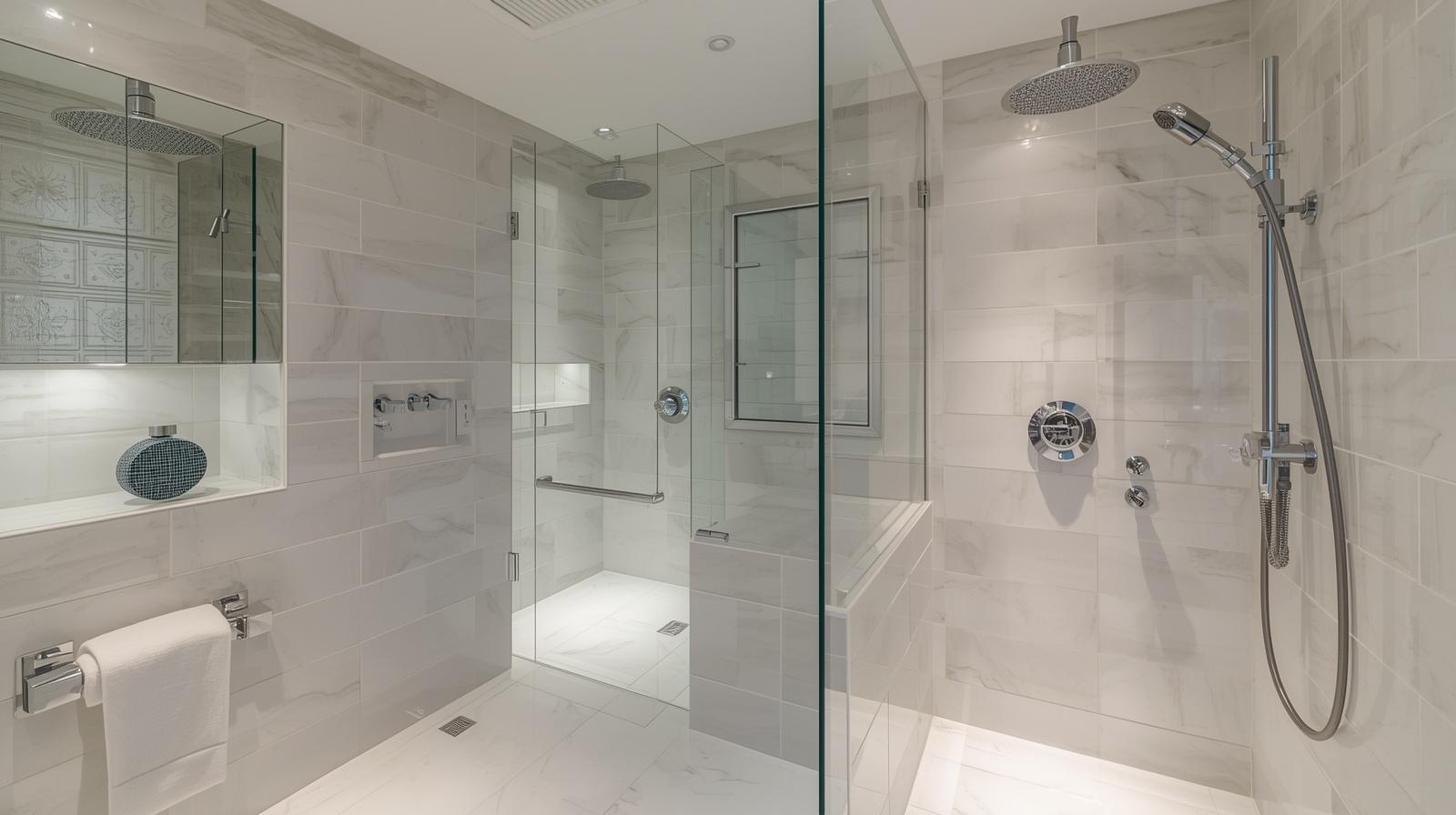
The best contractor experiences share common traits: clear communication, a defined process, transparent pricing, and no surprises.
At Cove Bath, we built our process around the frustrations homeowners told us they had with traditional contractors. Our remodels are fixed-price — 30K, or $40K depending on scope — so you know the cost before we start. Our timelines are one to two weeks, not months. And the process starts with a virtual consultation, so you get answers without anyone showing up at your door. See how our process works.
That is not a pitch. It is what we think every contractor should offer: clarity on price, clarity on timeline, and a process that respects your time.
How to Get Started?
If you are comparing contractors for a bathroom remodel in Massachusetts, we are happy to be one of your quotes. Take our online quiz to get an instant estimate based on your bathroom and goals, or book a virtual consultation to talk through your project in detail.
Cove Bath is a bathroom remodeling contractor based in Wellesley, MA, serving homeowners across Greater Boston. We specialize in fixed-price bathroom remodels completed in 1-2 weeks.